
Thin, natural-looking shells that cover chips, gaps and discoloration. We design them with you first and bond them once the shape and shade are agreed.

A veneer is a thin shell bonded to the front of a tooth. It covers discoloration, chips, small gaps and minor misalignment by changing the face of the tooth rather than rebuilding it, and it shields enamel that is already worn.
We mainly use porcelain, which resists staining and picks up light the way enamel does. Composite resin is the alternative: sculpted onto the tooth in one visit, faster and cheaper, easy to repair, but more prone to staining and shorter lived. Which suits you is a conversation, not a default.
A veneer is not a crown. It covers the front of a tooth; a crown wraps all of it. For the clinical background on materials and technique, our guide to dental veneers goes deeper.

These are the points we work through in every veneer consultation.
Porcelain looks more natural and resists staining. Composite is faster to place, costs less, and can be repaired chairside.
A thin layer of enamel is prepared so the veneer sits flush. That layer does not grow back, so the tooth will always need a covering.
Length, width, edge shape and shade are decided with you before the lab starts. This is what decides whether it looks like you.
Porcelain will not lighten later, so teeth whitening is done before the shade is locked in.
With good hygiene, porcelain veneers commonly last a decade or more. Grinding shortens that, so a night guard is often part of the plan.
If the tooth is heavily filled, cracked or root-treated, a crown is the honest answer. We will say so rather than veneer a tooth that needs more.
Porcelain runs across two appointments with lab time in between. Composite is usually done in one.
We look at the teeth, the bite and the way your lip moves when you smile, then talk through shape, length, shade and how many teeth to cover. Gum health and decay are handled first. You leave with a written plan and a cost.
A thin layer of enamel is prepared and an impression or digital scan goes to the lab. Temporary veneers go on, so you leave with teeth that look normal and can live with the shape for a couple of weeks before it is final.
The finished veneers are tried in, checked against your face and your bite, adjusted if anything is off, then bonded and polished. Nothing is cemented until you have looked in a mirror and agreed.
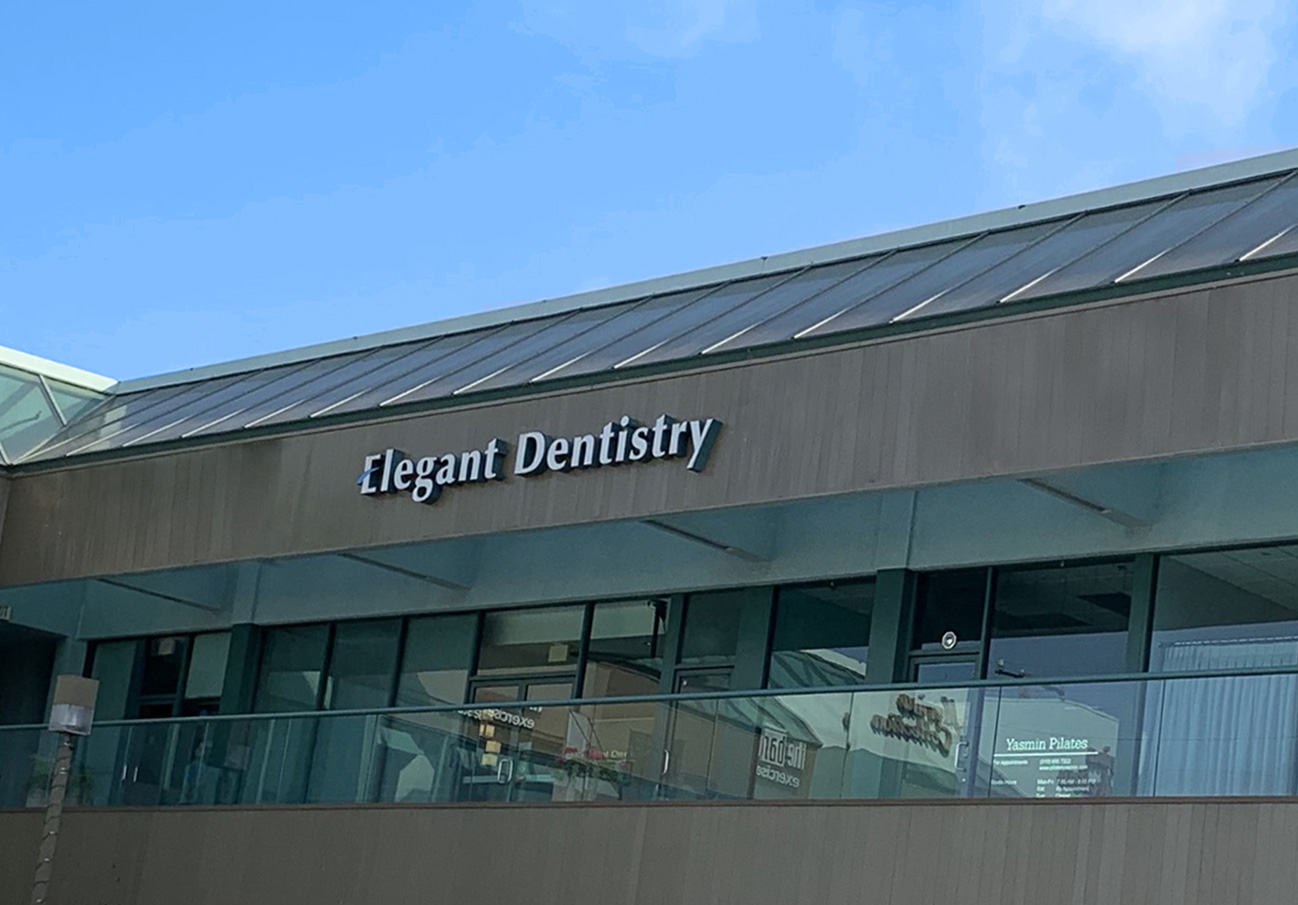
Veneer treatment means two visits a couple of weeks apart, so the practical details matter.
Cosmetic cases suit the longer Wednesday and Thursday morning slots, which start at 08:30. Design appointments are meant to be unhurried, and patients rarely regret giving that visit enough time.
Coming from Venice or Playa Vista, allow ten minutes at peak times on Washington. Bring photographs of smiles you like. They say more in two minutes than a page of description.
Four things move the number: the material, how many teeth are involved, whether the lab is building custom shading for a single tooth in a visible spot, and any groundwork needed first. One composite veneer and eight porcelain units are different projects.
Veneers are cosmetic, so most dental plans do not cover them. Where a tooth needs restorative work first, that part may well be covered, and we check your eligibility at no charge so the split is clear. See the plans we accept for the current list.
Your initial consultation is free with or without insurance. The whole treatment is quoted before anything starts, not stage by stage.
Thinking about a full smile makeover? Most cover the six to ten teeth that show when you smile, and often add a zirconia crown where a tooth needs full coverage. We plan the whole arch at once so the shading matches.
The practice is rated 4.4 across 114 public reviews and has been on Washington Boulevard since 1997. It is led by Dr. Marjaneh Moghimi, DDS, who qualified at USC in 2000 and completed an implant residency at UCLA.
Patients considering veneers want two assurances: that the result will look like them, and that nobody starts cutting before the design is settled. Both are built into how we run these cases.
General, cosmetic and implant dentistry all sit under one roof. If the plan needs a crown, a root canal or gum treatment before the front teeth can look right, the same team handles it. More cases are on our before and after results page.

A veneer requires removing a thin layer of enamel, and that is not reversible. The amount is small, and the bonded veneer protects the tooth from then on, but the tooth will always need a covering. We want you to know that beforehand.
Porcelain if you want the most natural appearance, the best stain resistance and the longest service life. Composite for a lower cost, a single visit, or a lighter first step before committing to porcelain.
No. Porcelain and composite do not respond to bleaching gel the way enamel does. That is why we whiten first, let the shade settle, then match the veneers to it.
It depends on your goals. Some patients have two to four veneers for specific teeth. A full makeover typically covers the six to ten teeth visible when you smile.
Brush and floss as normal and keep your regular cleanings through general dentistry. Do not open packaging with your teeth or bite hard objects. Porcelain is strong, not indestructible. If you grind, wear the night guard.
When the tooth has lost too much structure for a front-surface shell to hold: a large old filling, a crack, a root-treated tooth. A veneer would fail early. A crown that wraps the tooth is what lasts.
New patients are always welcome at our Marina del Rey office. Your veneer consultation is free, and it ends with a design, a plan and a price rather than a sales pitch. Call 310-827-2792 or book online and we will check your insurance at no charge.