
Most teeth can be saved. When one cannot, a planned extraction beats an emergency you did not see coming: local anesthetic, written aftercare, and a conversation about what replaces the tooth before it comes out.

Most teeth can be saved with a filling, a crown or a root canal. Sometimes one is too damaged, too infected or too crowded to keep. We recommend removing a tooth only after the other options have been ruled out, and we tell you which ones we ruled out and why.
The reasons are consistent: decay that has destroyed too much of the tooth to restore, advanced gum disease that has taken the bone supporting it, a fracture running below the gumline, and wisdom teeth that are impacted or crowding everything in front of them. Gum disease is worth treating on its own account, which is what periodontal care is for. Our guide to dental extraction covers the general clinical background.

Six things cover almost every case that comes through the door.
For teeth visible and accessible above the gumline, removed under local anesthetic in a single visit.
For teeth that are impacted, broken, or sitting below the gumline, which need a small incision to reach.
Impacted or crowded wisdom teeth are the most common reason to remove a tooth, and one of the few done before anything hurts.
We have options for anxious patients. Say so when you book, not when you are in the chair.
Written instructions for managing swelling, bleeding and diet through the first few days of healing.
We talk through implants, bridges or partials before the tooth comes out, not months later.
Here is what the appointment actually looks like.
We confirm the tooth needs to come out and check the surrounding bone and the shape of the roots. The X-ray also tells us whether the case is simple or surgical, which changes both the appointment and the cost.
The area is fully numbed and the tooth is removed. You will feel firm pressure and hear some noise, which is normal, but you should not feel pain. Tell us if anything changes and we stop.
You go home with written instructions for managing swelling and helping the site heal, plus the plan for what replaces the tooth if it should be replaced.
A blood clot forms in the socket within the first day, and it protects the bone underneath while it heals. Dry socket happens when that clot is dislodged too early, and it is painful. Avoiding it is mostly about the first two or three days: no straws, no smoking, no vigorous rinsing or spitting, and no poking at the site with your tongue.
Eat soft food, chew on the other side, and keep the rest of your mouth clean as normal. Initial healing takes about one to two weeks, though the socket goes on remodeling for months underneath.
Then there is the gap. Bone that no longer carries a root starts to shrink, and the teeth either side tip or drift into the space, which changes your bite. That is why the replacement conversation happens before the extraction rather than after it. An implant is the only option that replaces the root as well as the crown.
Bleeding that will not stop, or pain getting worse after day three? Call us on (310) 827-2792 rather than waiting for your follow-up.
You will not want to drive far afterward, so read this before you book.
Take an early slot if you can, and arrange a ride if you are having sedation. Most people would rather be home resting than sitting in five o’clock traffic with a gauze pad in.
A simple extraction and a surgical one are priced differently, because they are different pieces of work. The X-ray tells us which one you are, and we quote it before anything is booked.
We accept most dental plans and check your eligibility at no charge before your first visit. Removing a tooth is often covered at a different rate from replacing it, so we show you both numbers together. The plans we work with are on our insurance page, and if you have no insurance your initial consultation is still free.
Worth saying plainly: pulling a tooth is usually the cheaper option on the day and the more expensive one over ten years, once the gap has to be closed. It is still sometimes the right call. We would rather you made that decision with both figures in front of you.
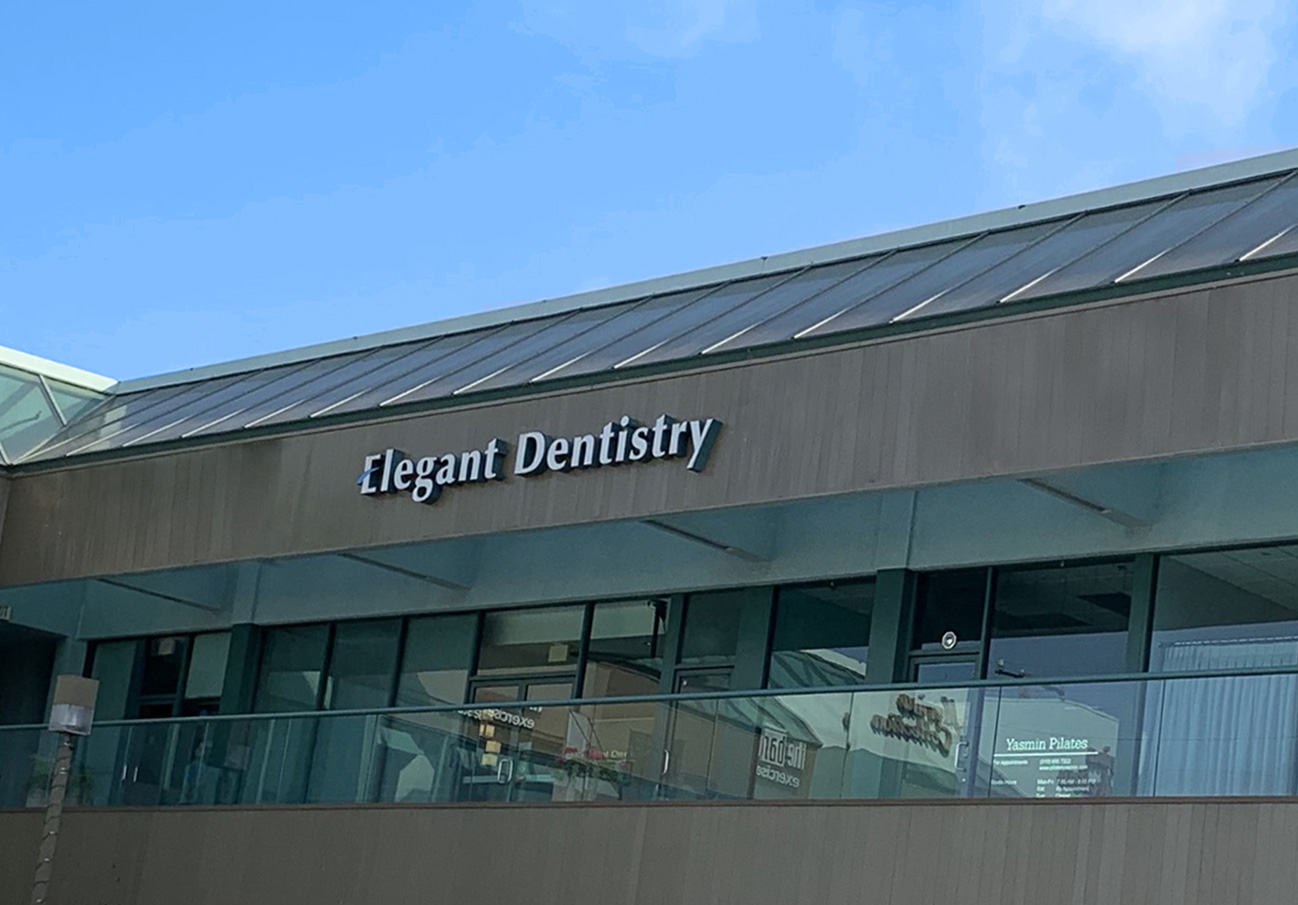
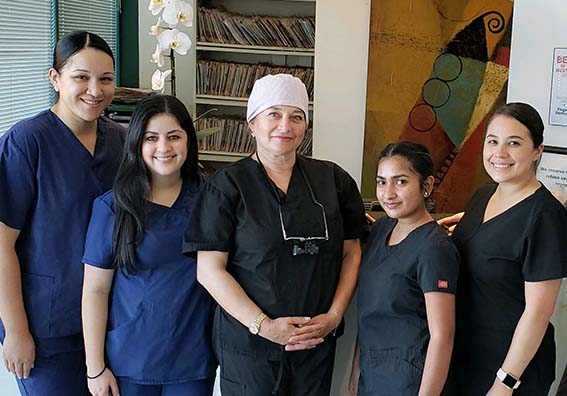
The practice is rated 4.4 across 114 public reviews and has been open on Washington Boulevard since 1997. It is led by Dr. Marjaneh Moghimi, DDS, who qualified at USC in 2000 and completed an implant residency at UCLA.
General, cosmetic and implant dentistry sit under one roof, which matters more here than on most pages. The team that takes the tooth out is the team that places the implant or fits the bridge afterward.
The area is fully numbed first, so you should not feel pain during the procedure itself. You will feel pressure. Some soreness afterward is normal and manageable with over-the-counter pain relief in most cases.
Initial healing takes about one to two weeks, though the socket continues to heal for months underneath. Your aftercare instructions are specific to your case, because a wisdom tooth and a front tooth are not the same recovery.
Not always, but leaving a gap can shift your other teeth over time and the bone beneath it will slowly recede. We will talk through implants, bridges or partials if replacement makes sense, and say so if it does not.
Soft food, and keep away from the site for the first few days. No straws, because the suction can dislodge the clot. You get a full list before you leave.
Sometimes, and it is always the first question we ask. If enough sound tooth structure remains and the bone is healthy, saving the tooth usually beats removing it. If the tooth is fractured below the gumline, removal is the honest answer.
No. Wisdom teeth that have erupted straight, bite properly and can be cleaned are usually left alone. It is the impacted ones, and the ones crowding the teeth in front, that get removed.
Book a consultation at our Marina del Rey office and we will check whether the tooth can be saved first, quote the work, and set out what replaces it if it cannot. New patients are always welcome, and we check your insurance eligibility at no charge. Call 310-827-2792 or book online.