
Full-ceramic crowns that pair the translucency of a natural tooth with exceptional strength. The zirconia crowns Marina del Rey patients get here are digitally scanned, shade-matched and fitted without a metal line at the gum.

Zirconia is zirconium dioxide, a dense white ceramic and one of the hardest materials used in dentistry. It handles bite force far better than feldspathic or pressed porcelain, which is why it holds up on molars where an all-porcelain crown would eventually chip.
Against metal it trades differently. A gold or porcelain-fused-to-metal crown is durable but carries a metal substructure, and over years of gum recession that can show as a thin dark line at the margin. Zirconia has no metal in it at all, so there is nothing to darken and nothing to concern a patient with a metal sensitivity.
Strength is only half the reason zirconia crowns Marina del Rey patients ask about have become the default here. The other half is the gumline. A crown that looks right on the day it is cemented but shows a gray shadow at the margin eight years later has not really succeeded, and metal-free ceramic removes that failure mode entirely.
This page is about the material. If you are still deciding whether a crown is what you need in the first place, start with our general guide to dental crowns, which compares crowns against fillings, inlays and full coverage in every material.

These are the properties that make zirconia crowns Marina del Rey patients ask for our default recommendation in most cases.
One of the hardest ceramics in dentistry, and the reason it suits molars, heavy bites and patients who grind.
Zirconia reflects light much the way enamel does, so a well-shaded crown disappears among the teeth beside it.
With no metal substructure there is nothing to darken at the margin as gums recede, and no metal-allergy question.
Milled from one solid block for maximum strength at the back, or layered with porcelain for extra depth at the front.
With routine checkups through general dentistry and good hygiene, zirconia crowns commonly last fifteen years or longer.
A common choice for the visible crown on a dental implant, and for the final restoration after a root canal.
The zirconia crowns Marina del Rey patients receive here are milled by a lab from a digital scan, so most cases run across two appointments with a temporary in between.
We assess the tooth, remove decay and any failing filling, and shape what remains. A digital scan replaces the putty impression on most cases: faster, more comfortable, and it sends the lab a more accurate file to mill from.
A temporary protects the prepared tooth while the lab mills your crown, usually across a week or two. Layered zirconia for a front tooth takes longer than a monolithic molar crown, because a technician builds the shading by hand.
The crown is tried in and checked for shade, contact points and bite before anything is cemented. Zirconia is adjusted and polished carefully; a rough ceramic surface wears the opposing tooth, so the polish matters as much as the fit.
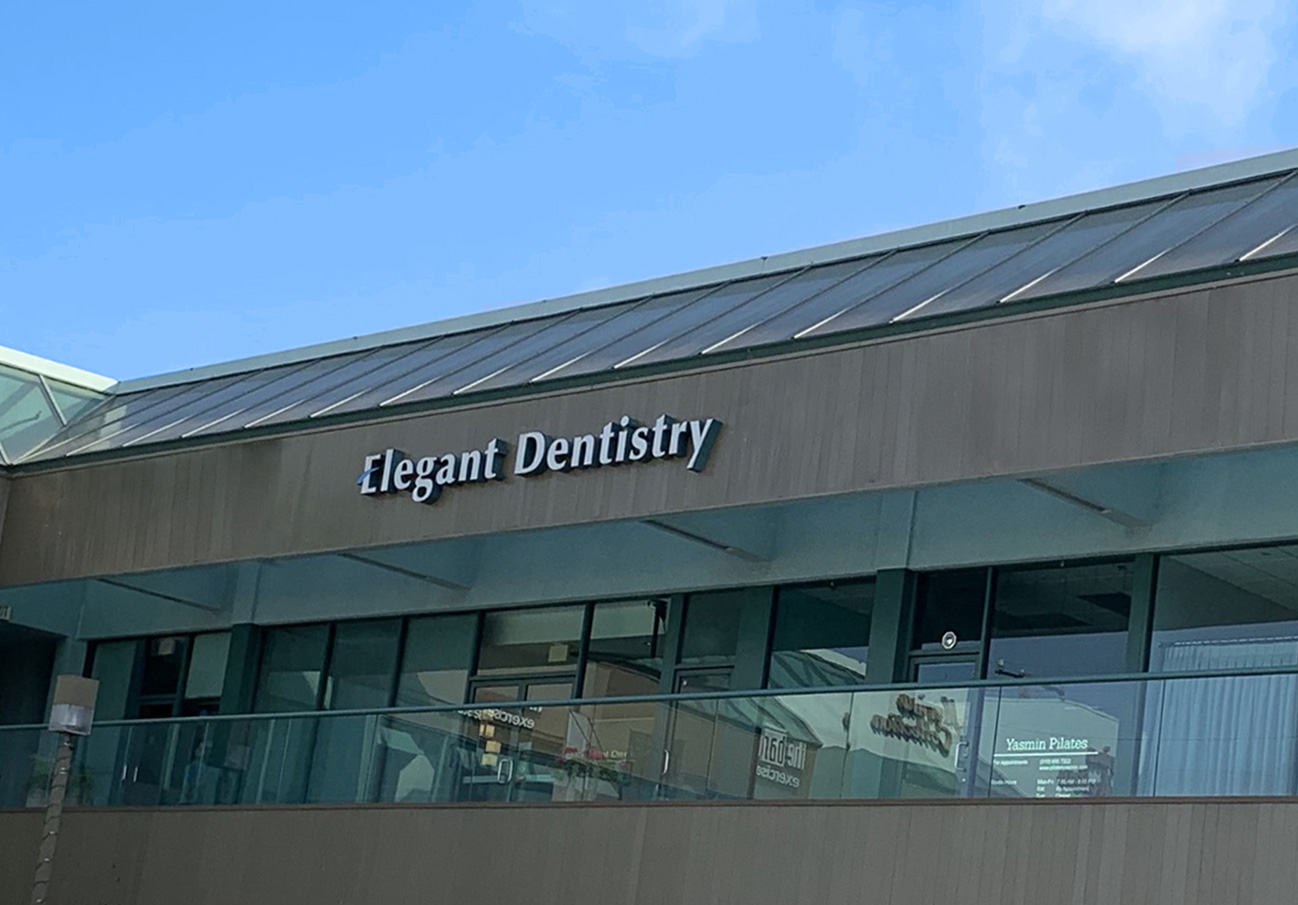
Two appointments a week or two apart, and the first is the longer one. Here are the details that decide when you book.
Book the preparation visit into a Wednesday or Thursday morning if you can. It starts at 8:30, it is the appointment that takes the time, and the anesthetic has worn off long before the afternoon traffic builds on Washington.
Implant cases are planned and restored in this same office, so a zirconia crown on an implant does not mean two practices, two sets of records and two opinions about the shade.
Cost turns on the lab work more than the material: a monolithic molar crown and a hand-layered front tooth matched to its neighbors are different jobs. Whether the tooth needs a core build-up or a post first also moves the number, and we tell you that at the consultation rather than after the preparation.
Crowns are generally treated as a major restorative benefit, so most dental plans contribute something. We check your eligibility for free before your first visit and show you the split, and you can review the plans we accept in advance. Without insurance, your initial consultation is still free. For a neutral overview of crown materials, the American Dental Association’s MouthHealthy is a good starting point.
Care is straightforward. Brush and floss around the margin as you would a natural tooth, because decay where the crown meets the tooth is what ends most crowns. Wear a night guard if you grind, and skip ice and hard candy. Zirconia is tough, but the tooth underneath it is not.
Whitening in your plans? Do it before the crown, not after. Ceramic does not respond to bleaching gel, so teeth whitening has to happen first if you want the shade to match long term. The same rule applies to veneers.
The before and after photographs on this page are actual patients treated at this office, not stock images. The case beside this text is a set of lower zirconia crowns on a patient in their mid-fifties; the case further up the page is upper front crowns on a patient in their mid-thirties.
Twice voted the Westside’s best dental office by readers of The Argonaut, and rated 4.4 across 114 public reviews. The practice is led by Dr. Marjaneh Moghimi, DDS (USC), with implant residency training from UCLA, and has been on Washington Boulevard since 1997. More cases are on our before and after results page, and the wider picture is in our restorative dentistry overview.

For most cases, yes. Zirconia is stronger and has no metal substructure to show as a dark line at the gum years later. Porcelain-fused-to-metal remains a reasonable, durable choice, and we will explain why if we recommend it for a particular tooth.
All-porcelain is the most translucent material and still has an edge on the very front teeth in the most demanding cosmetic cases. It is also more brittle. Layered zirconia narrows that gap considerably while keeping a strong core underneath.
Monolithic is milled from a single block: maximum strength, ideal for molars. Layered zirconia has a zirconia core with porcelain built over it by a technician, which gives more depth and character for teeth that show. Front teeth usually get layered, back teeth usually get monolithic.
Yes. The translucency is close to natural enamel and the crown is shaded to the teeth around it. Front-tooth cases get more lab attention, because matching a single central incisor is the hardest shade job in dentistry.
Fifteen years or longer is common with regular checkups and good home care. The ceramic rarely fails; what shortens a crown’s life is decay at the margin, gum recession, or untreated grinding.
Two for most cases: one to prepare the tooth and take the digital scan, and a second to fit and bond the finished crown once the lab has milled it. Zirconia crowns Marina del Rey patients receive on implants follow the same final two appointments once the implant has integrated.
New patients are always welcome. A consultation about zirconia crowns Marina del Rey is free, and it ends with a recommendation, a material and a price you can read before you agree to anything. Call or book online and we will check your insurance eligibility at no charge.