
The treatment most people arrive dreading is the one that saves the tooth. The infected tissue inside it is removed, the space is cleaned and sealed, and your own tooth stays where it belongs.

Inside every tooth is a chamber of soft tissue, the pulp, which carries the nerve and the blood supply. When deep decay, a crack or an old failing filling lets bacteria reach it, the pulp becomes inflamed or infected and does not recover on its own. A root canal removes that tissue, cleans and shapes the narrow canals it sat in, and seals them.
The symptoms that bring people in are consistent: a toothache that will not settle, sensitivity to hot or cold that lingers after the drink is gone, tenderness when you bite down, and swelling in the gum beside one tooth. Sometimes the tooth darkens. Sometimes nothing hurts and an X-ray finds it first, which is one good argument for keeping up with routine general dentistry visits.
An exam and an X-ray confirm the diagnosis before anything is scheduled. Our guide to root canal treatment covers the procedure in more clinical depth.

Most of what people believe about root canals comes from stories told a generation ago.
A root canal preserves the tooth you already have rather than removing it and replacing it later with a bridge or an implant.
The tooth and the tissue around it are fully numbed first. Most patients report it feels similar to having a filling placed.
Removing the infected tissue relieves the pain it was causing and prevents the infection spreading into the surrounding bone.
A treated tooth can become more brittle over time, so a crown is normally placed afterward to protect it from fracturing.
Root canal treatment holds up well over years when it is followed by proper restoration and ordinary day-to-day care.
We confirm a root canal is the right treatment with an exam and an X-ray before recommending anything. Your initial consultation costs nothing.
Most cases run across one or two visits, plus a separate appointment for the permanent crown.
We confirm the tooth is infected with an exam and an X-ray, then numb the tooth and the tissue around it. You should feel pressure and movement but not pain. If that changes at any point, tell us and we stop.
The infected tissue is removed, the canals are cleaned and shaped, and the space is sealed. Most cases are finished in one to two visits, depending on which tooth it is and how far the infection has travelled.
A temporary or permanent crown is placed to protect the tooth going forward. Back teeth take the most force when you chew, so they almost always need one.
A tooth that has started to hurt does not wait politely for a convenient week.
Book a morning slot if you can. The anesthetic wears off over a few hours, and most patients would rather be home before the afternoon traffic builds.
What a root canal costs depends on the tooth. A front tooth has one canal; a molar can have three or four, and takes longer. The crown that follows is quoted separately, and our zirconia crown price guide sets out what that side of it involves.
We accept most dental plans and check your eligibility at no charge before your first visit. If you have no insurance, the initial consultation is still free, and every treatment plan arrives with its cost attached rather than revealed at the end. The plans we work with are on our insurance page.
It is also worth weighing the alternative. Removing a tooth is usually cheaper on the day and more expensive over the following years, once the gap has to be filled.
Not sure what your plan covers? Send your insurance details through and we will check eligibility first.
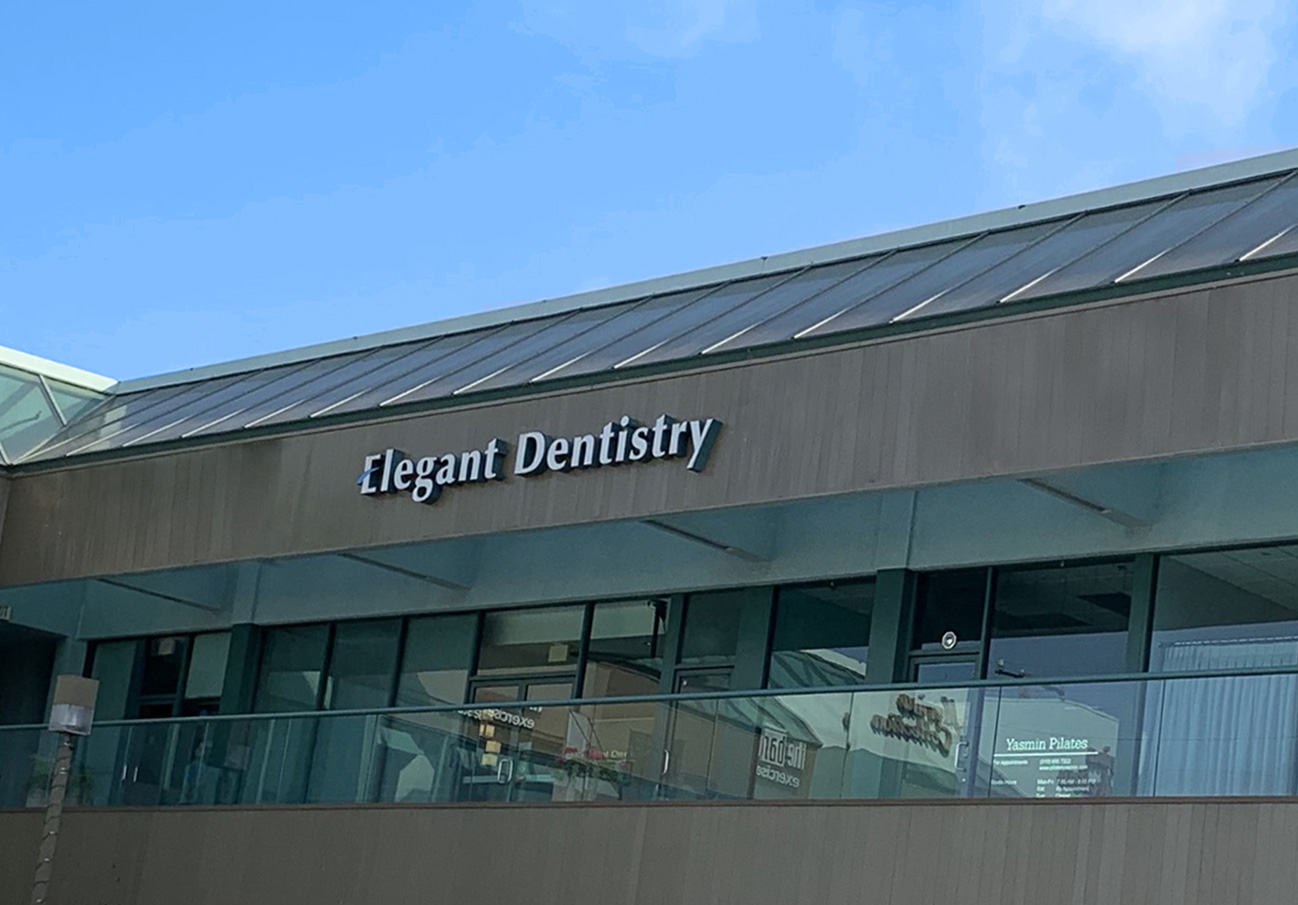
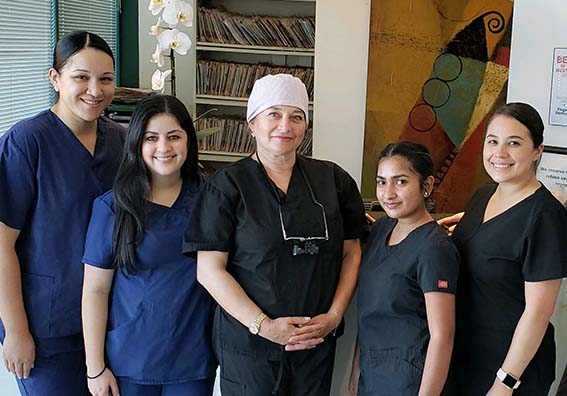
The practice is rated 4.4 across 114 public reviews and has been open on Washington Boulevard since 1997. It is led by Dr. Marjaneh Moghimi, DDS, who qualified at USC in 2000 and completed an implant residency at UCLA.
General, cosmetic and implant dentistry all sit under one roof here, which matters for this treatment in particular. The tooth is diagnosed, treated and crowned by the same team, so nobody is handed a referral halfway through.
The area is fully numbed before treatment begins, and most patients report it feels similar to having a filling placed. The tooth is often sore for a few days afterward, which is normal and usually manageable with over-the-counter pain relief. Much of the reputation root canals carry predates modern anesthetic.
A persistent toothache, prolonged sensitivity to hot or cold, pain on biting, and swelling near a tooth are the common signs. None of them are proof on their own. An exam and an X-ray confirm whether the pulp is involved, and we will tell you if it is not.
Usually, yes. A treated tooth can become more brittle over time, so a crown helps protect it from fracturing. Back teeth almost always need one. A front tooth sometimes does not, and we will say so rather than add work you do not need.
Most cases are finished in one to two visits, depending on the tooth and the severity of the infection. The crown appointment comes later, once the tooth has settled. Plan on an hour or more in the chair.
Simpler on the day, harder afterward. Once a tooth is gone the bone beneath it shrinks and the neighboring teeth drift, so a dental extraction is normally followed by an implant or a bridge. When a tooth can be saved, saving it is usually the better long-term choice.
Avoid chewing hard food on that side until the permanent crown is fitted, keep brushing and flossing the tooth as normal, and take pain relief if it is sore. Call us if swelling increases or the pain gets worse instead of better. Healthy gums matter here too, so periodontal care is part of the picture.
An appointment at our Marina del Rey office starts with an exam, an X-ray and a straight answer about whether the tooth can be saved. Call 310-827-2792 or book online, and we will check your insurance at no charge.