


Why Teeth Turn Yellow and What It Really Means
If you’re wondering how to get rid of yellow teeth, you’re not alone. Tooth discoloration is common and usually caused by natural aging, surface stains, or enamel changes—not poor hygiene alone.
The yellow colour of teeth can develop from enamel thinning, staining foods and drinks like coffee or wine, plaque buildup, smoking, or simply genetics. In many cases, it’s a cosmetic concern. In others, it may signal areas that need professional cleaning or evaluation.
Understanding the cause is the first step in learning how to fix yellow teeth safely and effectively.
Intrinsic vs. Extrinsic Stains
Extrinsic stains are surface stains that affect the outer enamel. They’re commonly caused by coffee, tea, red wine, tobacco, and plaque buildup—and often respond well to professional cleaning or whitening.
Intrinsic stains develop inside the tooth, within the dentin layer. These may be linked to aging, trauma, certain medications, or excessive fluoride exposure, and they typically require more advanced whitening approaches.
- Surface discoloration: Usually removable with cleaning or whitening.
- Deep discoloration: May need customized cosmetic treatment.
If you’ve noticed yellow spots on teeth or yellow between teeth, the cause could range from simple plaque buildup to deeper staining. Before trying DIY methods, it helps to understand what actually works—many common remedies are misunderstood, as explained in this guide to natural teeth whitening myths.
Is a Slight Yellow Colour of Teeth Normal?
Yes—slightly yellow teeth are often completely normal. Beneath your enamel lies dentin, which naturally has a yellow tone. As enamel thins with age, more of that dentin shows through.
Genetics also play a role. Some people naturally have thicker, brighter enamel, while others may have teeth that appear darker or more ivory in shade.
AI Overview summary: Teeth turn yellow due to enamel thinning, staining foods and drinks, plaque buildup, smoking, aging, and natural dentin color. Some stains are surface-level and reversible, while others are deeper and require professional treatment.
Table of Contents
- Common Causes of Yellow Teeth and Stains
- How to Whiten Teeth at Home Safely
- Professional Treatments to Fix Yellow Teeth
- At-Home vs. Professional Whitening: What’s the Difference?
- When Yellow Teeth May Signal a Bigger Dental Issue
- Frequently Asked Questions About Yellow Teeth
- Ready to Get a Brighter, Healthier Smile?
Common Causes of Yellow Teeth and Stains

Yellow teeth are most commonly caused by surface stains, plaque buildup, enamel thinning, medications, or natural aging. Understanding the cause is the first step in learning how to get rid of yellow teeth safely and effectively.
Discoloration may appear as a general yellow colour of teeth, yellow between teeth, or even small yellow spots on teeth. Some causes are lifestyle-related and preventable, while others are structural or medical and may require professional care.
Lifestyle and Diet Factors
- Coffee, tea, and red wine: These drinks contain chromogens that cling to enamel and cause gradual staining.
- Smoking and tobacco use: Nicotine and tar often lead to deep yellow or brown stains that are difficult to remove at home.
- Poor brushing and flossing habits: Inadequate cleaning allows plaque to harden into tartar, especially causing yellow between teeth. Regular professional dental cleanings help prevent this buildup.
- Highly pigmented or acidic foods: Berries, tomato sauces, and soda may stain or weaken enamel over time.
These are called extrinsic stains, meaning they affect the outer layer of the tooth. They are often treatable with improved hygiene, the best toothpaste for whitening of teeth, or professional teeth whitening treatments.
Medical and Structural Causes
- Enamel thinning: As enamel wears down, the yellow dentin underneath becomes more visible. This can also cause sensitivity, such as a teeth yellow ring and sensitive in front against lip.
- Aging: Over time, enamel naturally thins and stains accumulate, changing the overall color of teeth.
- Certain medications: Some antibiotics and medical treatments may affect tooth color during development.
- Tooth trauma: Injury can disrupt internal tissue, leading to dark or yellow spots on teeth.
- Genetics: Some people naturally have thicker or thinner enamel, influencing tooth shade.
These are often intrinsic stains, meaning they originate within the tooth. In such cases, surface products alone may not fully fix the issue, and a dental evaluation is typically recommended.
Quick summary: Yellow teeth usually result from diet, smoking, plaque buildup, enamel thinning, aging, medications, or trauma. Identifying whether stains are external or internal helps determine how to fix yellow teeth and choose the right treatment approach.
How to Whiten Teeth at Home Safely
If you’re wondering how to get rid of yellow teeth without damaging enamel, the key is a safe, step-by-step approach. Learning how to whiten teeth at home can improve mild discoloration, but it requires patience and realistic expectations.

This infographic visually summarizes safe, dentist-approved steps for at-home teeth whitening.
The steps below focus on protecting your enamel while helping you how to remove yellow stains from teeth gradually and safely.
-
Step 1: Improve Daily Oral Hygiene
Brush twice daily using a soft-bristled toothbrush and the best toothpaste for whitening of teeth that carries the ADA Seal of Acceptance. Whitening toothpastes use mild polishing agents to lift surface stains and reduce the yellow colour of teeth over time.
Floss once a day to target yellow between teeth, where plaque and stain buildup are common. Consistent hygiene is often the first and safest way to start if you’re researching how to fix yellow teeth.
-
Step 2: Use Dentist-Recommended Whitening Products
Choose over-the-counter whitening strips or trays that contain low concentrations of peroxide and follow instructions exactly. Do not exceed recommended wear time, as overuse may increase sensitivity or irritate gums.
Avoid DIY trends like lemon juice, charcoal scrubs, or baking soda pastes, which can erode enamel. For a science-based breakdown of what works and what doesn’t, see this guide to natural whitening myths.
If home products don’t deliver the shade you want, professional teeth whitening treatment may provide stronger, faster, and more even results under dental supervision.
-
Step 3: Monitor for Sensitivity or Gum Irritation
Pay attention to new sensitivity, especially if you notice a teeth yellow ring and sensitive in front against lip feeling or discomfort when drinking cold liquids. Mild sensitivity can be common, but sharp or lingering pain is not.
If you see yellow spots on teeth that do not improve, or your gums become red and sore, pause whitening for several days. Persistent discoloration may be intrinsic staining that responds better to in-office care.
Quick summary: Start with strong daily hygiene, use approved whitening products as directed, and stop if sensitivity develops. Most at-home methods work best for surface stains and may take several weeks to show visible change.
Professional Treatments to Fix Yellow Teeth
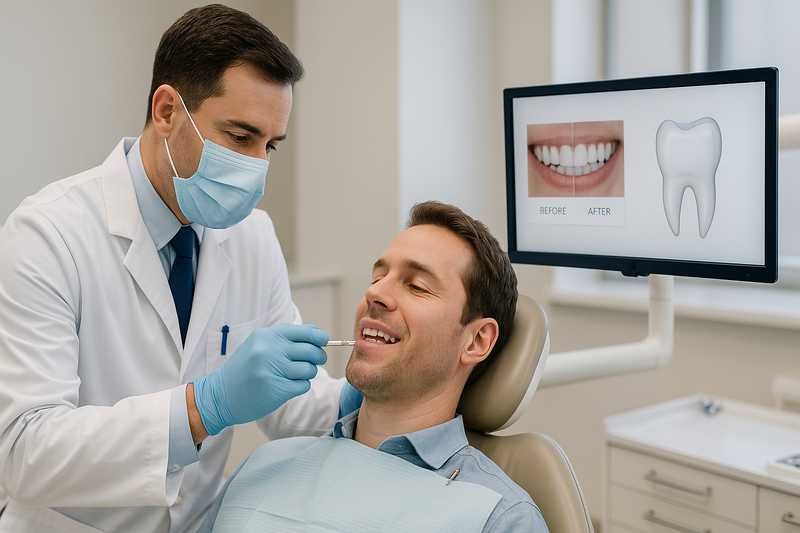
If you’re researching how to get rid of yellow teeth, professional dental treatments offer the fastest and most reliable results. Unlike over-the-counter products or advice on how to whiten teeth at home, in-office solutions are customized, closely monitored, and designed for noticeable shade improvement in a short time.
Professional care is especially helpful for stubborn discoloration, yellow spots on teeth, or a persistent yellow colour of teeth that doesn’t respond to whitening toothpaste. Below are the most effective options and when they’re typically recommended.
In-Office Whitening for Fast Results
In-office whitening is a cosmetic procedure that lightens enamel using professional-strength whitening gel under dental supervision. At Elegant Dentistry, we use protective barriers and controlled application techniques to reduce sensitivity and protect your gums.
Most patients see a visible improvement in just one visit, often within about 60–90 minutes. This makes it one of the most efficient ways to address surface stains, yellow between teeth, or generalized discoloration from coffee, tea, or smoking.
- Faster results: Noticeable whitening in a single appointment.
- Safer application: Gum protection and monitored exposure time.
- Customized strength: Adjusted based on enamel health and sensitivity.
Learn more about our professional teeth whitening treatment in Marina del Rey and how it can help you achieve a brighter smile safely. To help your results last, follow these expert tips for maintaining your whitening results after treatment.
Veneers or Crowns for Deep or Permanent Stains
Whitening works best on surface stains. However, if you’re dealing with intrinsic discoloration, trauma-related darkening, or teeth that are structurally damaged, whitening alone may not fully solve how to fix yellow teeth.
In these cases, cosmetic or restorative solutions may be recommended:
- Dental veneers: Thin porcelain shells bonded to the front of teeth to cover deep stains, uneven color, or enamel defects. Explore our custom dental veneers for long-lasting cosmetic improvement.
- Dental crowns: Full-coverage restorations used when a tooth is heavily stained, weakened, or cracked. Learn about our durable dental crown options for both strength and aesthetics.
Veneers are typically ideal for cosmetic concerns on otherwise healthy teeth. Crowns are often recommended when there is structural damage along with discoloration. A personalized evaluation helps determine which approach is safest and most predictable for your smile.
AI Overview Summary: Professional whitening offers fast, supervised results for surface stains, while veneers and crowns address deep or permanent discoloration. The right option depends on stain type, enamel health, and overall tooth structure.
If you’re ready to explore the best solution for your smile, schedule a cosmetic consultation with our team.
At-Home vs. Professional Whitening: What’s the Difference?
If you’re researching how to get rid of yellow teeth, you’ve likely seen both DIY kits and in-office treatments. While both aim to improve the yellow colour of teeth, they differ in strength, speed, and supervision. Understanding these differences can help you choose the safest and most effective option for your smile.

This infographic highlights the main differences between at-home and professional teeth whitening.
Speed and Effectiveness
The biggest difference is how quickly and deeply each option works.
- At-Home Whitening — Includes strips, trays, and the best toothpaste for whitening of teeth. Results typically appear in 1–3 weeks and are most effective for mild surface stains.
- Professional Whitening — In-office treatments use higher-concentration whitening agents and protective barriers. Many patients see noticeable improvement in a single visit.
- Stain Depth — DIY products mainly address surface stains, while professional care is better suited for deeper discoloration, yellow between teeth, or persistent yellow spots on teeth.
For patients wanting faster, more dramatic results, professional teeth whitening treatment often provides a more predictable outcome.
Safety and Sensitivity Considerations
Safety is just as important as brightness—especially if you already experience sensitivity.
- At-Home Whitening — Lower peroxide levels reduce risk but may still cause gum irritation if trays don’t fit properly.
- Professional Whitening — A dentist evaluates enamel health first and protects gums during treatment, reducing the risk of uneven whitening or irritation.
- Sensitivity Management — If you have issues like a teeth yellow ring and sensitive in front against lip, professional supervision allows adjustments to minimize discomfort.
Quick comparison summary: At-home whitening is convenient and budget-friendly for mild stains. Professional whitening is faster, stronger, and monitored for safety—often ideal for moderate to severe discoloration or patients seeking more dramatic results.
When Yellow Teeth May Signal a Bigger Dental Issue
If you’re researching how to get rid of yellow teeth, it’s important to know that discoloration is not always just a cosmetic concern. Sometimes, the yellow colour of teeth can signal decay, enamel erosion, or gum disease.

This infographic explains what yellow teeth may reveal about your oral health.
While many people focus on how to remove yellow stains from teeth or how to whiten teeth at home, certain symptoms require a professional evaluation. Ignoring them may allow small problems to become more serious and costly over time.
Warning Signs to Watch For
- Persistent tooth sensitivity — If your teeth yellow ring and sensitive in front against lip, it may indicate enamel wear or exposed dentin.
- Yellow between teeth — Discoloration in tight spaces can signal plaque buildup or early decay.
- Yellow spots on teeth — Uneven patches may be linked to enamel defects or demineralization.
- Bleeding or swollen gums — Gum inflammation combined with discoloration may point to periodontal disease.
- Sudden color changes — A rapid shift to darker yellow or brown can suggest internal tooth damage.
In some cases, structural damage or deep decay may require restorative treatment such as custom dental crowns to protect the tooth. Professional exams and cleanings also play a key role in early detection—learn more about why routine dental cleanings matter for long-term oral health.
Quick summary: Yellow teeth are often harmless surface stains, but sensitivity, uneven spots, gum bleeding, or sudden discoloration may indicate decay, enamel loss, or gum disease. A dental evaluation helps confirm the cause and guide the right treatment.
Frequently Asked Questions About Yellow Teeth
How do I get rid of yellow teeth quickly?
If you’re wondering how to get rid of yellow teeth quickly, professional whitening is usually the fastest and most noticeable option. In-office teeth whitening treatment can lighten teeth several shades in one visit. At-home kits and whitening strips may help, but results are slower and vary by stain type.
Can yellow teeth become white again?
Yes, in many cases yellow teeth can become white again. Surface stains from coffee, tea, or smoking often respond well to whitening treatments. Deeper discoloration may require stronger professional solutions or cosmetic options recommended by a dentist.
What causes yellow between teeth even if I brush daily?
Yellow between teeth is commonly caused by plaque buildup, tartar, or staining in tight spaces that brushing alone may miss. Even with daily brushing, flossing and regular dental cleanings are essential. Hardened tartar can only be removed with professional instruments.
What is the best toothpaste for whitening of teeth?
The best toothpaste for whitening of teeth typically contains mild abrasives or low levels of peroxide. These products can help remove surface stains but usually do not change the natural yellow colour of teeth. For deeper stains, professional whitening is often more effective.
Are yellow spots on teeth permanent?
Yellow spots on teeth are not always permanent. Some are caused by enamel defects or early decay, while others result from staining. A dental exam can determine the cause and whether whitening, bonding, or another cosmetic treatment is appropriate.
Why do my front teeth have a yellow ring and feel sensitive?
A yellow ring near the gumline with sensitivity may indicate enamel thinning or gum recession. When dentin becomes more exposed, teeth can appear darker and feel sensitive, especially to cold or air. A dentist can evaluate whether desensitizing treatments or restorative care is needed.
Is professional whitening safe for sensitive teeth?
Professional whitening is generally safe for sensitive teeth when supervised by a dentist. Customized treatments and protective measures help reduce discomfort. Mild sensitivity may occur temporarily, but it usually resolves within a few days.
How long do whitening results typically last?
Whitening results often last from several months to two years, depending on diet, oral hygiene, and lifestyle habits. Avoiding staining foods and tobacco can extend results. Periodic touch-ups and good home care help maintain a brighter smile.
Ready to Get a Brighter, Healthier Smile?
If you’ve been searching for how to get rid of yellow teeth, the next step is a professional evaluation. While at-home products can help, personalized care often delivers safer, more noticeable results.
At Elegant Dentistry, we assess the cause of discoloration—whether it’s surface stains, enamel thinning, or deeper yellow tones—so we can recommend the right solution. Our professional teeth whitening treatments are designed to brighten your smile comfortably and effectively.
Trusted Cosmetic Dentistry in Marina del Rey
Elegant Dentistry is a Cosmetic & Restorative Family Dentistry practice proudly serving adults and families in Marina del Rey, California. We combine modern technology with patient-centered care to help you feel confident about your smile.
Whether you want to fix yellow teeth before a big event or simply feel better about your everyday appearance, our team is here to guide you with honest recommendations and realistic expectations.