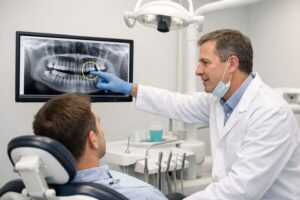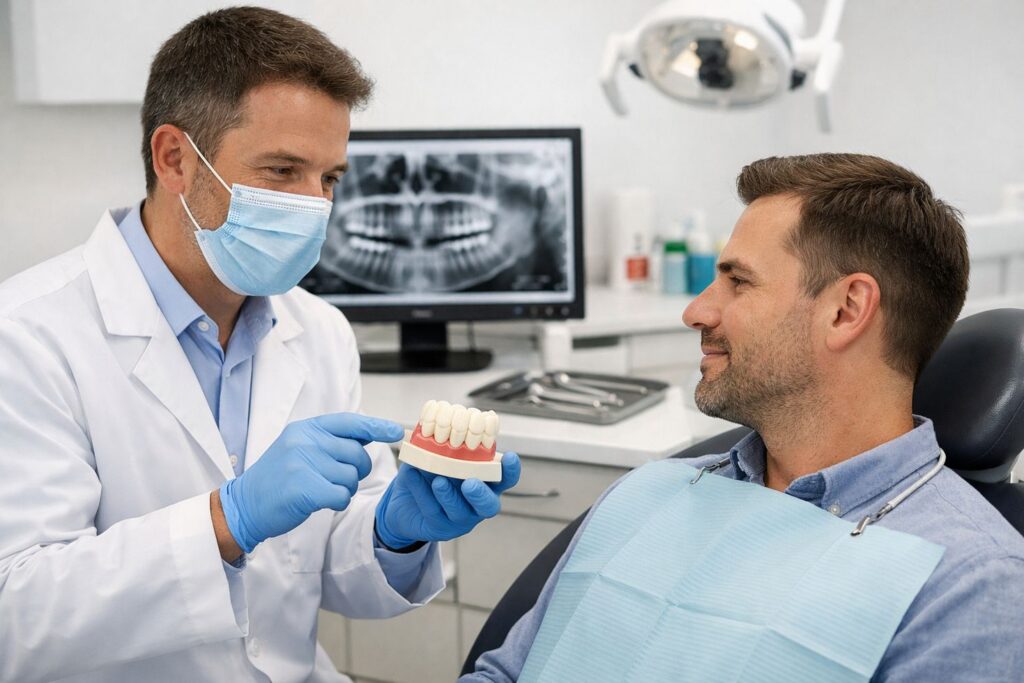

Molar teeth are the large back teeth that do most of the heavy work when you chew, helping grind food into smaller pieces so it is easier to swallow and digest. Because molar teeth handle strong biting pressure every day, they can be more prone to wear, cracks, and tooth decay than some other teeth. When a molar is not healthy, even simple things like eating, drinking, or speaking comfortably can become more difficult.
It is also important not to ignore symptoms involving the back teeth. Pain, sensitivity, swelling, or signs that may suggest a tooth with abscess symptoms should be assessed by a dentist rather than self-diagnosed. Early evaluation can often help identify the cause and support the right treatment before the problem becomes more uncomfortable or complex.
In this guide, you will learn how molars function, which common problems can affect them, how to care for them at home, what treatment options may be recommended, and when professional dental care is the best next step.
What this guide covers
We will give a clear overview of molar anatomy and chewing function, explain common concerns such as cavities, cracks, and sensitivity, and outline practical care and treatment options in a straightforward, reassuring way.
What Are Molar Teeth?
Molar teeth are the broad, flat teeth at the back of the mouth. Their main job is to crush and grind food into smaller pieces so it is easier to swallow and digest. Compared with the front teeth, which are designed more for biting and cutting, molars have wider chewing surfaces and multiple raised points, called cusps, that help break food down efficiently.
In a typical adult mouth, molars sit behind the premolars on both the upper and lower arches. They are larger than most other teeth and are built to handle strong chewing pressure. Because of their location and shape, molars are often a focus during cleanings and exams, and a dental hygienist may pay close attention to them since food and plaque can collect in their grooves more easily.
First, second, and third molars
Adults usually have first molars, second molars, and third molars. First molars are generally the earliest permanent molars to come in and play a major role in chewing. Second molars erupt farther back. Third molars are better known as wisdom teeth. Wisdom teeth do not always erupt normally, and some people may have only some of them, have them come in at an angle, or not develop them at all.
How molars differ from other teeth
A simple way to compare teeth is by function. Incisors at the front are thin and sharp for cutting. Canines are pointed for tearing. Premolars help with both tearing and crushing. Molars, by contrast, are the heavy-duty grinding teeth. Their larger size and flatter tops make them especially effective for chewing tougher foods. If you want to understand what happens during a dental check up, this kind of tooth-by-tooth comparison often helps explain why back teeth need careful monitoring.
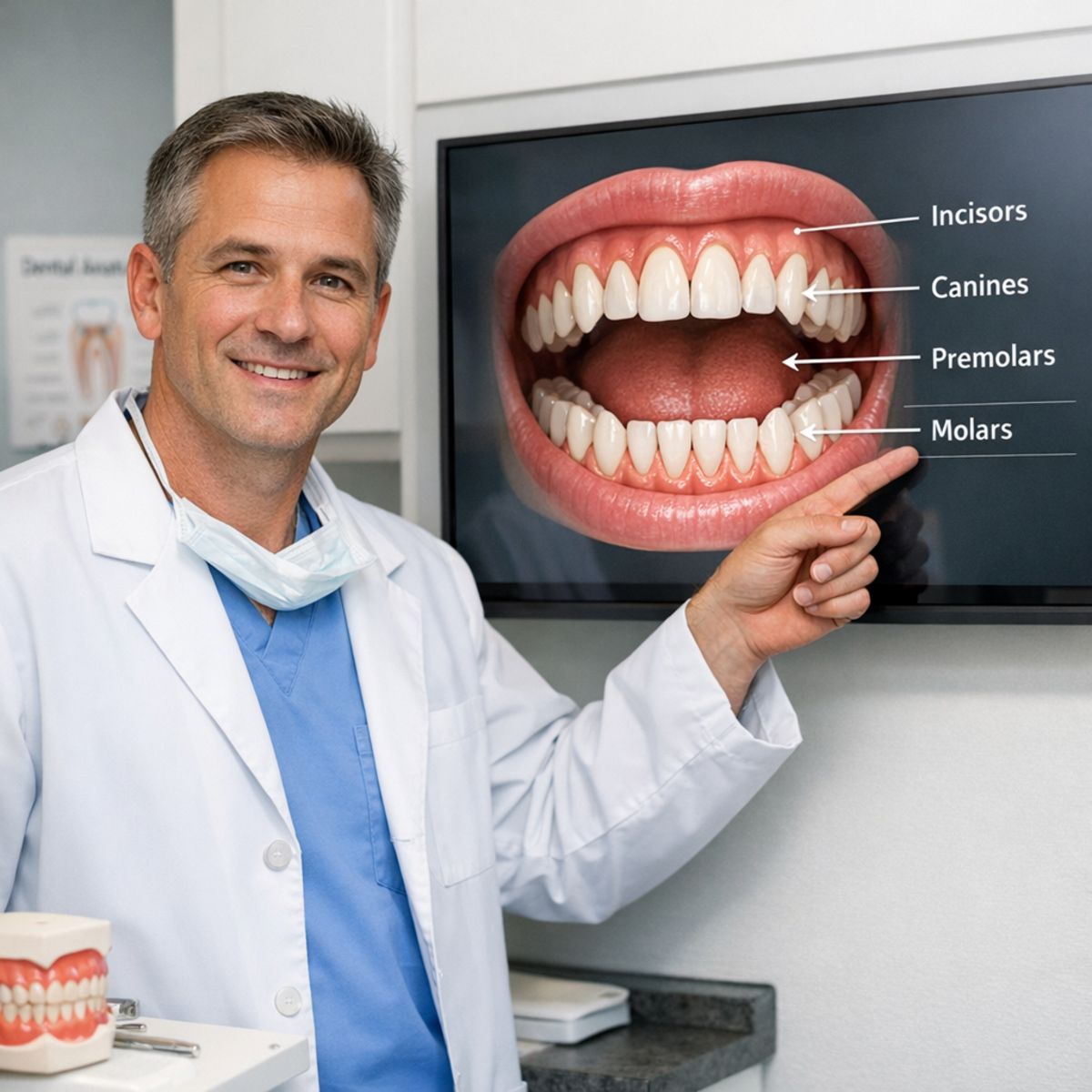
Why Molars Are So Important for Daily Function
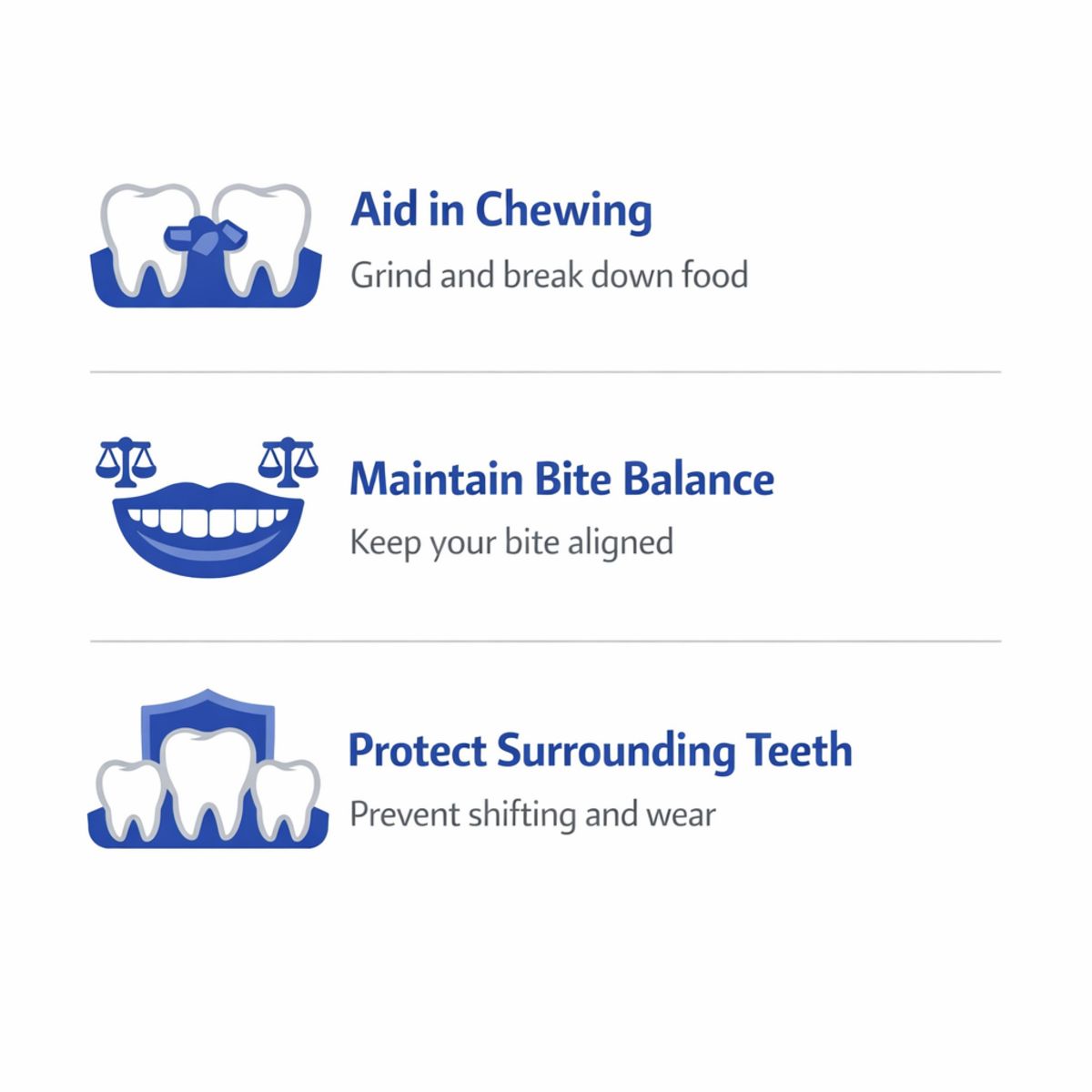
Molars do much of the hard work in your mouth every day. These back teeth are designed to grind food into smaller pieces, which makes chewing easier and helps prepare food for swallowing and digestion. When molars are healthy, everyday meals tend to feel more comfortable, especially when eating tougher or crunchier foods.
Chewing strength and bite support
Because molars handle strong chewing forces, they also help support a balanced bite. If a molar is painful, cracked, or missing, it is common to shift pressure to other teeth without realizing it. Over time, that uneven chewing pattern may affect comfort, place extra stress on surrounding teeth, and make normal eating less efficient. In some cases, patients may benefit from restorative dentistry options for damaged teeth to help address back-tooth concerns.
Why back teeth are easy to overlook
Molars can also be easier to miss during daily oral hygiene because they sit farther back and are harder to see clearly. That can make it easier for small problems to go unnoticed until chewing discomfort, sensitivity, or bite changes become more obvious. Paying attention to molar health and seeking preventive care early can help protect comfort, support oral health, and reduce the chance that a small issue grows into a larger one.
Common Problems That Affect Molar Teeth
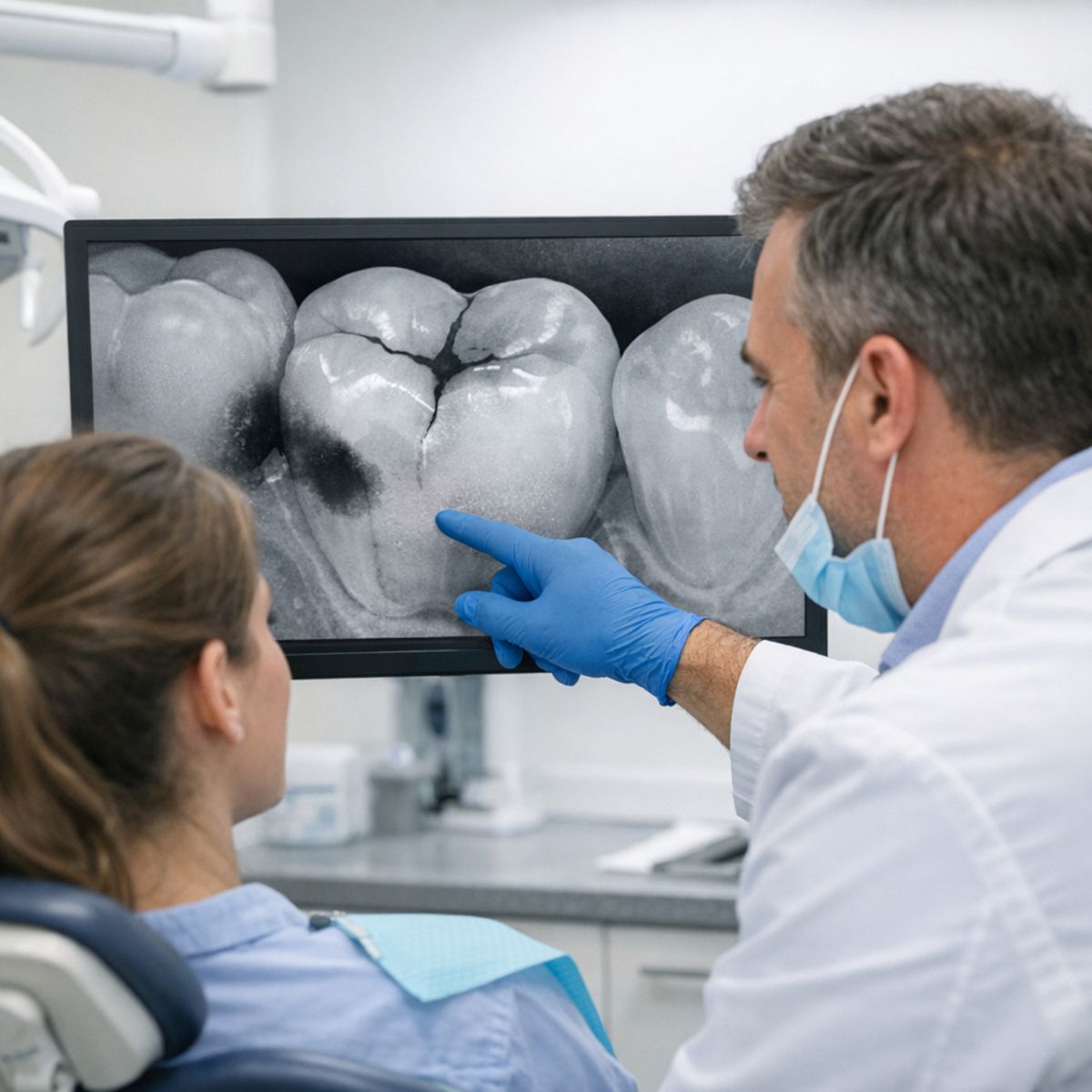
Molars do a lot of daily work, so it is not unusual for them to develop problems over time. Because these back teeth have deep grooves and are harder to see and clean, food particles and plaque can collect more easily. That is one reason tooth decay is a frequent issue in molars, especially on the chewing surface. Early decay may not cause obvious symptoms, while more advanced damage can lead to sensitivity when biting, eating sweets, or drinking something hot or cold.
Tooth decay in back teeth
Back teeth often have narrow pits and fissures that can trap debris even when someone brushes regularly. Over time, acids from plaque can weaken enamel and create cavities. In some cases, discomfort may be mild or intermittent, which can make the problem easy to overlook. A dental exam can help determine whether symptoms are related to decay, a filling that needs attention, or another issue affecting the tooth.
Infection and abscess concerns
If decay or damage reaches deeper parts of the tooth, infection may become a concern. A tooth with abscess or possible abscess on teeth symptoms may include swelling, throbbing pain, a bad taste in the mouth, tenderness, or increased sensitivity. However, similar symptoms can have different causes, and only a dentist can confirm what is happening. When infection is suspected, prompt evaluation matters because treatment needs can vary. In some cases, patients may need root canal treatment for infected molars.
Cracks, wear, and aging restorations
Molars can also be affected by cracks, worn enamel, and bite-related stress from clenching or grinding. Older fillings or crowns may loosen, crack, or stop sealing the tooth as well as they once did. Gum irritation around a molar can add to discomfort, and pressure from wisdom teeth may also create soreness in the back of the mouth. Because these issues can overlap, an exam and X-rays are often the best way to identify the source. If you want to learn more about symptoms that may be linked to deeper infection, see root canal and infection warning signs.
The most helpful next step is timely professional evaluation. Even when symptoms come and go, early care can often make treatment more straightforward and help protect the tooth.
How to Care for Your Molar Teeth at Home
Looking after your molar teeth at home can help reduce the risk of decay, sensitivity, and gum irritation between appointments. Because back teeth do most of the heavy chewing, they can collect more plaque in grooves and hard-to-reach areas. Use these simple steps to keep your molars clean and support long-term oral health. This advice is general and does not replace care from a dental professional.
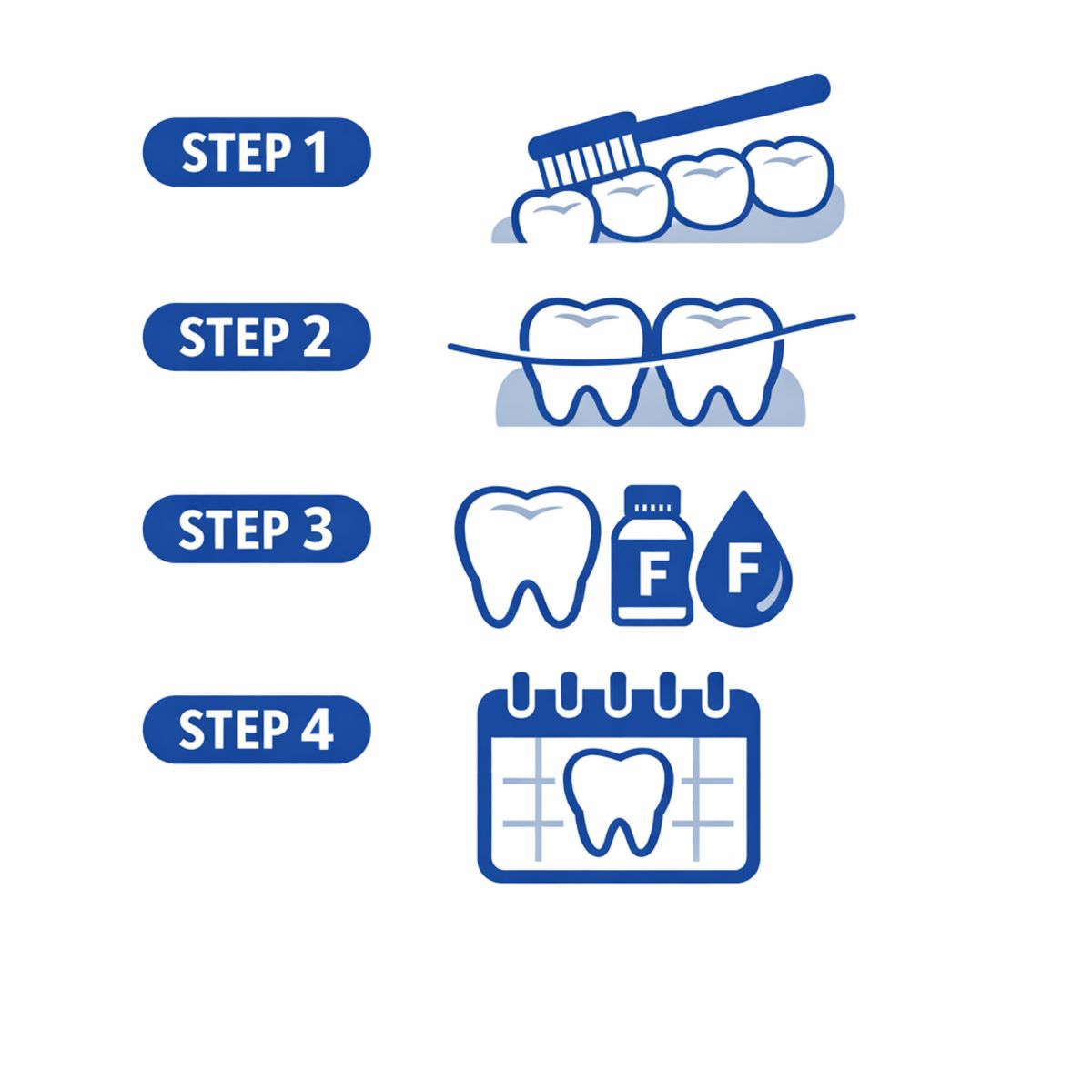
1. Brush the back teeth thoroughly
Brush twice a day with fluoride toothpaste, taking time to reach all surfaces of your molars. Angle the bristles gently toward the gumline and clean the front, back, and chewing surfaces. Pay extra attention to the very back teeth, where food and plaque often build up. A full two minutes of brushing helps make sure your molar teeth are not missed.
2. Clean between molars every day
A toothbrush cannot fully clean between back teeth, so daily flossing or interdental tools are important. If floss feels awkward around molars, try floss picks or other dentist-recommended options that help you reach farther back comfortably. Cleaning these tight spaces can help lower the chance of cavities forming where plaque stays hidden.
3. Support molars with smart daily habits
Choose fluoride toothpaste consistently and drink water regularly throughout the day. Try to limit frequent sugary snacks and drinks, since repeated sugar exposure can raise the risk of tooth decay on molars and other teeth. Small, steady habits often make the biggest difference for prevention and comfort.
4. Keep up with professional dental visits
Regular visits to a dental clinic help support home care by removing buildup and checking for early signs of problems. A dental hygienist can professionally clean around the back teeth, and a dentist can monitor changes before they become more serious. If you want to understand why routine dental check ups matter, staying consistent with exams and cleanings is one of the best ways to protect your molars.
Treatment Options for Damaged or Painful Molars
Treatment for a damaged or painful molar depends on what your dentist finds during an exam, often supported by imaging such as X-rays. Recommendations can vary based on the extent of decay, the presence of cracks, signs of infection, and how much healthy tooth structure remains. The goal is usually to choose the most appropriate option for the tooth’s condition while helping preserve comfort and chewing function where possible.
When a molar may be restored
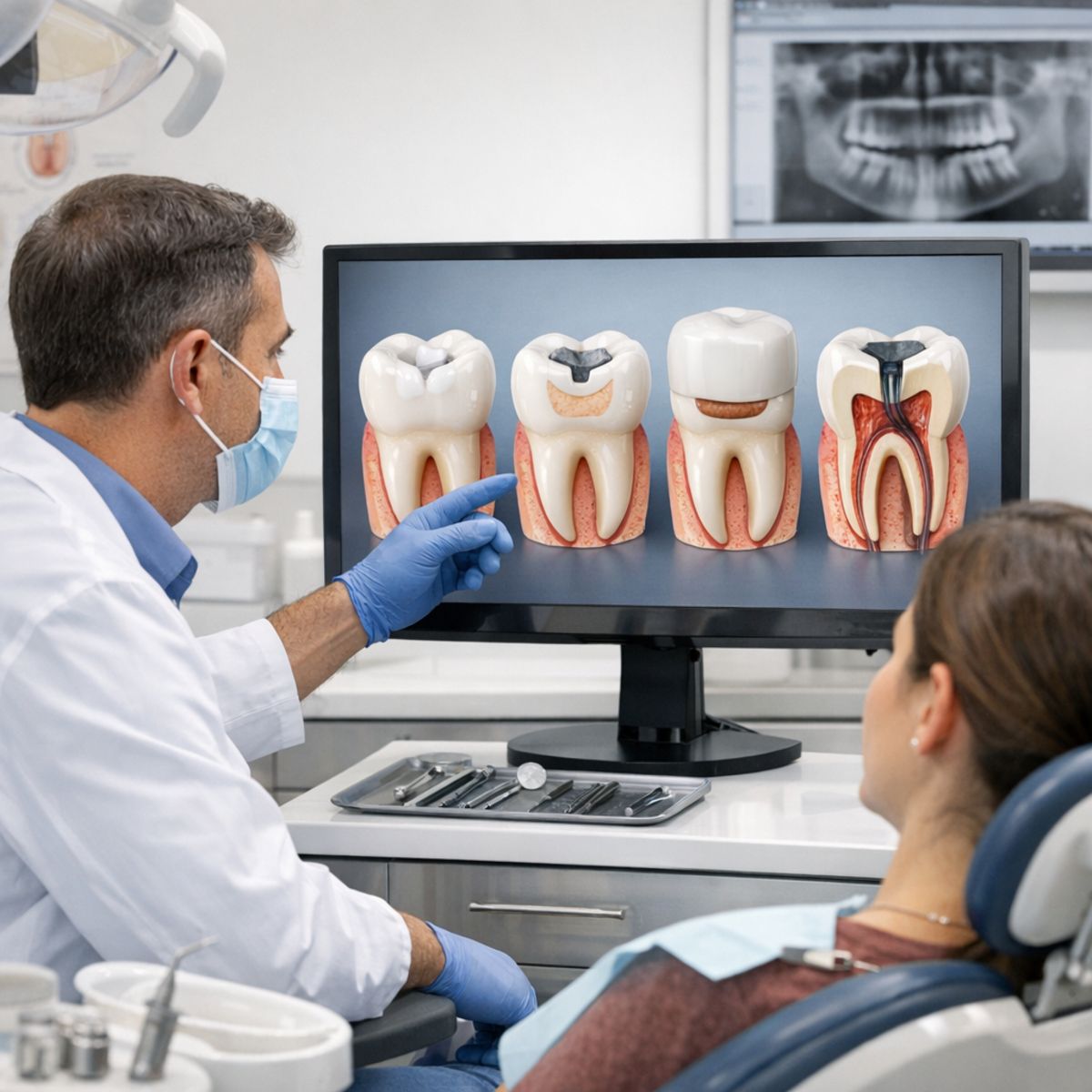
If the damage is limited and the tooth still has enough strength, a filling may be considered to repair a smaller cavity or worn area. For moderate damage, ceramic inlays for moderate molar damage may be recommended when more support is needed than a filling alone can provide. A dental crown may be suggested when a molar has a larger fracture, extensive decay, or weakened structure and needs fuller coverage and protection.
When more advanced care may be needed
If damage extends deeper into the tooth or there are concerns about infection affecting the inner tissue, root canal treatment may be part of the plan before restoring the tooth. In some situations, the tooth may not be predictable to save, and dental extraction for severely damaged teeth may be discussed as an option. Some cases involve multiple visits, and the exact approach depends on your overall dental health, symptoms, and clinical findings.
A careful evaluation helps set realistic expectations and supports a treatment plan tailored to your molar rather than a one-size-fits-all solution.
Dental Crowns vs Other Restorations for Molars
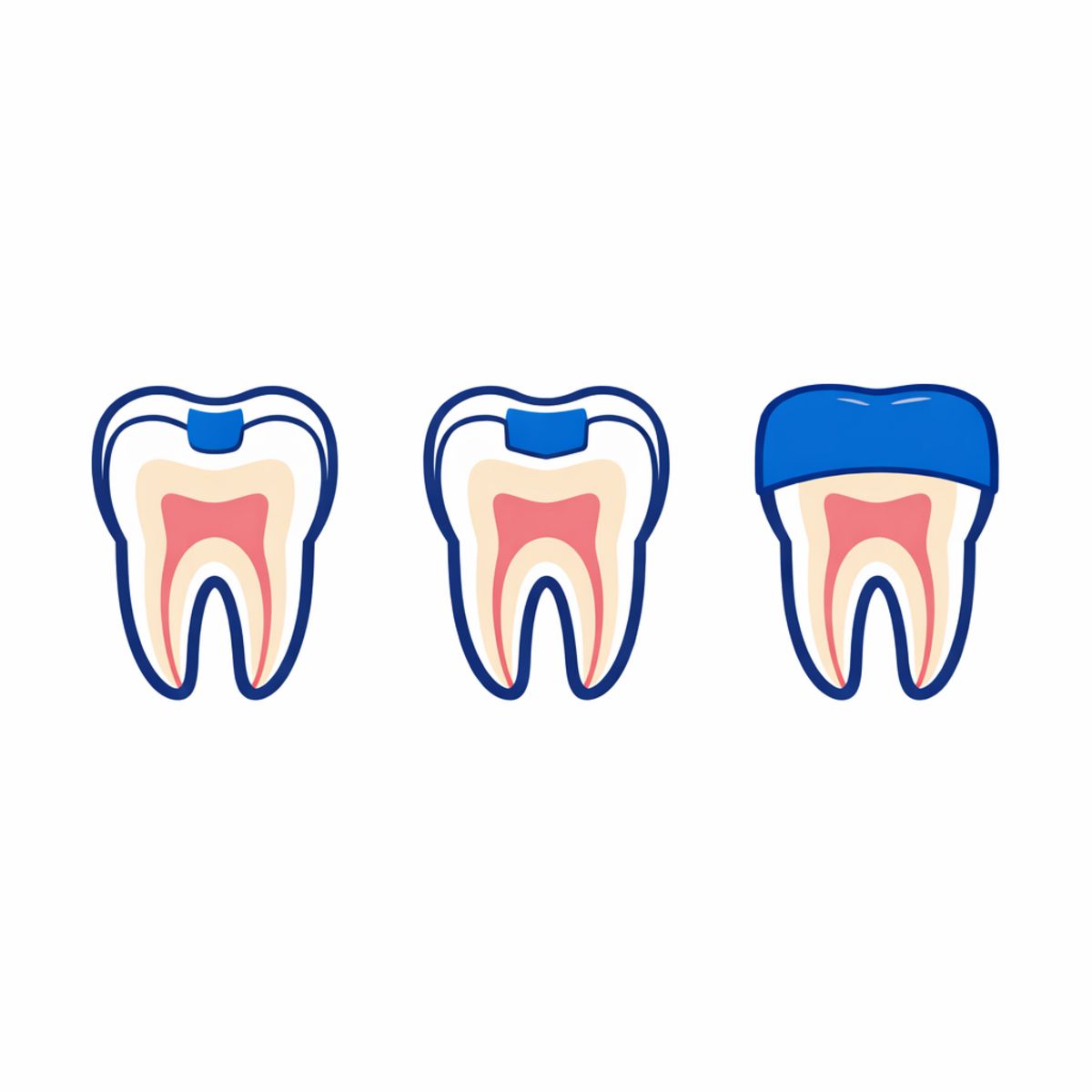
For molars, the main difference between a filling, an inlay, and a crown is how much of the tooth each option covers and supports. A filling usually replaces a smaller area of lost tooth structure. An inlay is made to fit within the chewing surface more precisely and may be considered when damage is too extensive for a routine filling but does not require full coverage.
Coverage and support differences
A crown covers the entire visible portion of the tooth above the gumline, so it may be recommended when a molar has significant structural loss, a crack risk, or a large existing restoration that leaves the remaining tooth weaker. In that situation, full coverage can help distribute biting forces more evenly than a filling alone.
The right choice depends on the tooth’s current condition, your bite, and cosmetic priorities. Material selection also varies by case, which is why broad comparisons are more helpful than one-size-fits-all answers. If you want to understand crown materials in more detail, this metal crowns vs zirconia crowns guide can add useful context before discussing options with your dentist.
Frequently Asked Questions About Molar Teeth
What are molar teeth used for?
Molar teeth are mainly used to grind and crush food, which helps make chewing more efficient before swallowing.
Why do molars get cavities so often?
Molars often have deep grooves that can trap food and plaque. Because they sit farther back in the mouth, they can also be harder to clean thoroughly.
Can a painful molar mean infection?
Yes, infection is one possible cause, but molar pain can also come from decay, gum irritation, grinding, or other issues. An exam is the best way to confirm the cause.
Are wisdom teeth considered molars?
Yes. Wisdom teeth are called third molars and usually appear later than the other molars.
When should I see a dentist for molar pain?
It is a good idea to schedule an exam if molar pain lasts more than a day or two, keeps coming back, or happens with swelling, temperature sensitivity, or trouble chewing. Symptoms can have different causes, so prompt evaluation helps guide the right treatment.
When It’s Time to Schedule a Dental Evaluation
If you have ongoing molar pain, swelling, sensitivity, or difficulty chewing, it may be time to request an appointment. A dental evaluation can help identify what is causing your symptoms and whether the tooth needs prompt attention.
Take the next step
During your visit, a dentist can examine the area, review imaging if needed, and talk through appropriate options based on your needs. If something doesn’t feel right, reaching out for professional guidance is a helpful next step.
Protecting Your Molars Supports Long-Term Oral Health
Molar teeth play an essential role in chewing, and because of their location and daily workload, they are often more vulnerable to decay, cracks, and infection-related concerns. Paying attention to symptoms such as pain, sensitivity, swelling, or difficulty chewing can make it easier to address problems before they become more complex.
In many cases, early care may help preserve more treatment options and support better long-term oral health. Consistent brushing, flossing, and regular dental checkups remain important for protecting these hardworking teeth and catching concerns sooner.
Key takeaway
Healthy molars matter, and persistent symptoms deserve calm, timely professional attention.