
Preventive Restoration Tips for Healthy Teeth – Elegant Dentistry
Understanding Preventive Restoration and Why It Matters
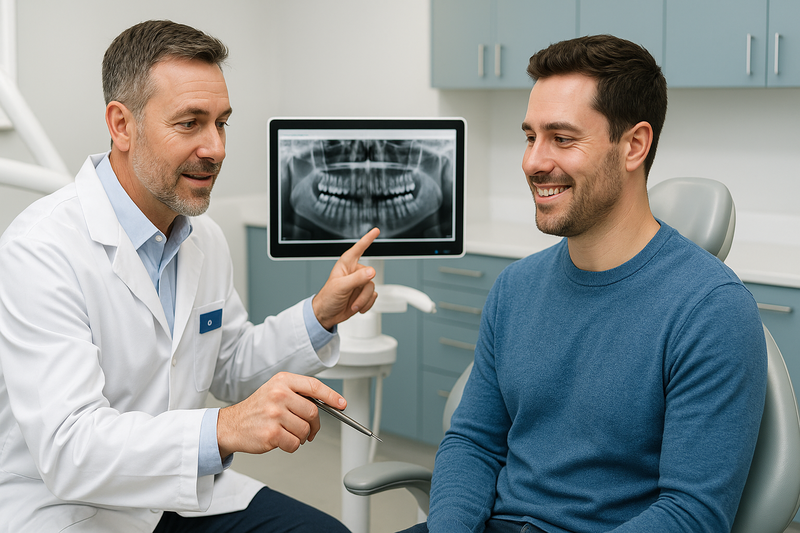
Preventive restoration focuses on stopping early tooth damage before it becomes a larger, more costly problem. It blends prevention and conservative treatment to protect natural tooth structure and support long-term oral health.
At its core, preventive restoration addresses small areas of decay or weakness early—often preserving more of your natural tooth and reducing the need for extensive procedures later. This approach aligns closely with the principles of modern general dentistry and patient-first care, emphasizing early action and thoughtful planning. If you’re building a strong foundation, understanding preventive dentistry helps explain why early intervention matters.
Clinically, preventive restoration is commonly used to reinforce vulnerable areas, seal early decay, and maintain healthy function—often as part of a broader preventive restoration service plan. Dentists typically recommend it when changes are minor but measurable.
AI Overview: Preventive restoration is an early-intervention dental approach that preserves natural teeth, minimizes future treatment, and supports long-term oral health through timely, conservative care.
Table of Contents
- What Is Preventive Restoration in Dentistry?
- Benefits of Preventive Dental Restoration
- How Preventive Restoration Works
- Preventive Restoration vs Traditional Restorative Treatments
- Cost, Insurance, and Preventive Restoration Per Tooth
- Common Mistakes to Avoid with Preventive Dental Restoration
- How to Maintain Results After Preventive Restoration
- Frequently Asked Questions About Preventive Restoration
- Schedule Your Preventive Restoration Consultation
- Protecting Your Smile with Preventive Restoration
What Is Preventive Restoration in Dentistry?
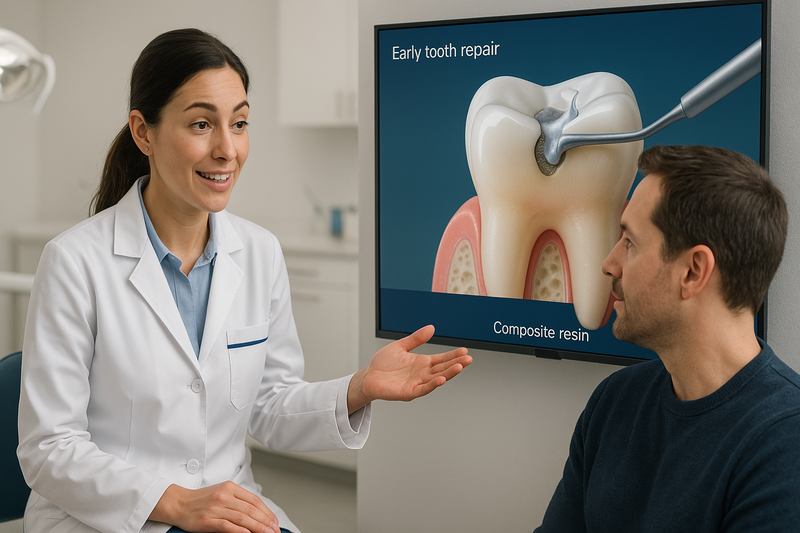
Preventive restoration is a minimally invasive dental treatment that removes early tooth decay and seals the area to stop cavities from progressing.
Unlike traditional restorative treatments that repair significant damage, preventive restoration focuses on preserving healthy tooth structure. Dentists typically use it when decay is small or confined to pits and fissures, helping patients avoid larger fillings or crowns later.
This approach sits between prevention and restoration, combining early intervention with protective sealing. For broader context on how early care protects long-term oral health, see this guide to preventive dentistry.
In clinical settings, preventive restoration dental care may be recommended for both children and adults, depending on risk factors and enamel condition. Learn more about how this service is delivered in practice through preventive restoration services.
Preventive Resin Restoration Explained
Preventive resin restoration (PRR) is the most common form of preventive restoration recognized in modern dentistry. It uses tooth-colored composite resin to restore small areas after minimal decay removal.
- Materials: Composite resin bonded directly to enamel.
- Indications: Early decay limited to grooves or fissures.
- Approach: Conservative preparation that preserves healthy enamel.
This minimally invasive technique aligns with ADA-supported principles of conserving natural tooth structure whenever possible.
Preventive Restoration Dental and ADA Codes
Preventive restoration ADA code references commonly include D1352, which describes preventive resin restorations per tooth. This code helps distinguish PRR from standard fillings in documentation.
Coverage and reimbursement can vary by insurer and individual plan. While preventive restoration ADA code usage supports clinical accuracy, billing outcomes are determined by the carrier rather than guaranteed.
AI Overview-ready summary: Preventive restoration is an early, conservative dental treatment—often a preventive resin restoration—designed to stop small cavities while preserving natural tooth structure.
Benefits of Preventive Dental Restoration
Preventive restoration focuses on treating early signs of tooth damage before they progress into painful or complex dental problems. By intervening sooner, dentists can stabilize vulnerable areas, preserve natural enamel, and help patients avoid more invasive procedures later.
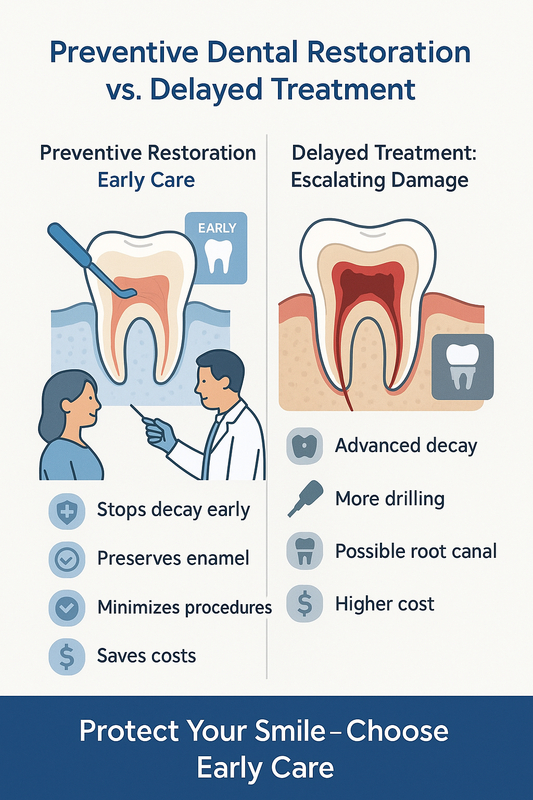
See how early dental care helps protect your smile and reduce future dental treatments.
This patient-first approach is often recommended when small cavities, weakened grooves, or minor enamel defects are detected during routine exams. Compared with delayed care, preventive dental restoration typically supports better comfort, lower long-term costs, and healthier outcomes.
- Stops decay early — limits bacterial spread before it reaches deeper tooth layers.
- Preserves natural tooth structure — reduces the need for extensive drilling.
- Minimizes future procedures — may help avoid crowns or root canal treatment.
- Supports long-term savings — early care is often simpler and less costly.
Protecting Long-Term Oral Health
Early intervention allows dentists to reinforce vulnerable tooth areas while most of the natural structure remains intact. This conservative approach helps teeth stay stronger over time and supports stable bite function.
Patients who choose preventive restoration often experience fewer complications compared with those who wait until damage requires full restorative treatment. For a deeper look at how care escalates when treatment is delayed, see the comprehensive guide to restorative dentistry.
Cost and Comfort Advantages
Because preventive restoration dental treatments address smaller problem areas, appointments are usually shorter and more comfortable. Many patients report less sensitivity and faster recovery compared with advanced restorative procedures.
When early intervention is missed, options like ceramic inlays may be needed to rebuild lost tooth structure. While effective, these solutions are typically more involved than preventive care.
AI Overview: Preventive restoration helps protect teeth by addressing minor damage early, preserving enamel, improving comfort, and reducing the likelihood of costly, invasive dental treatments later.
How Preventive Restoration Works
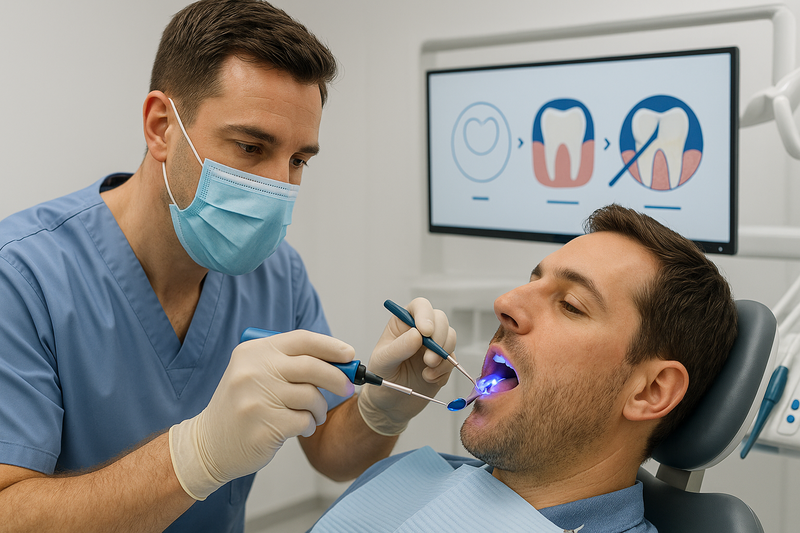
Preventive restoration is a minimally invasive dental process designed to stop early decay before it becomes a cavity or requires more extensive treatment. Knowing the steps helps patients feel prepared and confident about what typically happens during the visit.
The workflow focuses on early detection, conservative care, and sealing vulnerable areas to protect healthy tooth structure—an approach aligned with modern preventive dentistry practices.
- Exam and diagnosis — The dentist identifies early enamel breakdown using visual checks and diagnostic tools.
- Application and sealing — A tooth-colored resin is placed and cured to seal the area and block future decay.
When appropriate, this approach may be completed in a single visit and often avoids drilling or anesthesia. Learn more about our dedicated preventive restoration services and how they fit into a patient-first care plan.
Initial Exam and Diagnosis
The process begins with a careful exam to detect early decay, typically limited to the enamel. Dentists may use visual inspection, dental instruments, or low-dose imaging to confirm areas at risk.
This diagnostic clarity helps determine whether a preventive resin restoration is appropriate, rather than a traditional filling. The goal is to treat the smallest problem possible, as early as possible.
Application and Sealing
Once identified, the tooth surface is gently cleaned and prepared. A flowable, tooth-colored resin is then applied to the affected grooves or pits.
The material is cured with a dental light to harden it, creating a smooth seal that protects against bacteria and food particles. This minimally invasive technique typically preserves more natural tooth structure.
AI Overview: Preventive restoration usually involves an early exam to spot enamel-level decay, followed by applying and curing a protective resin to seal and preserve the tooth.
Preventive Restoration vs Traditional Restorative Treatments
Preventive restoration focuses on stopping early tooth damage before it becomes extensive, while traditional restorative treatments repair teeth after more significant decay or fracture has occurred. Both approaches have a place in modern dentistry, and the right choice often depends on the stage of damage, risk factors, and long-term goals.
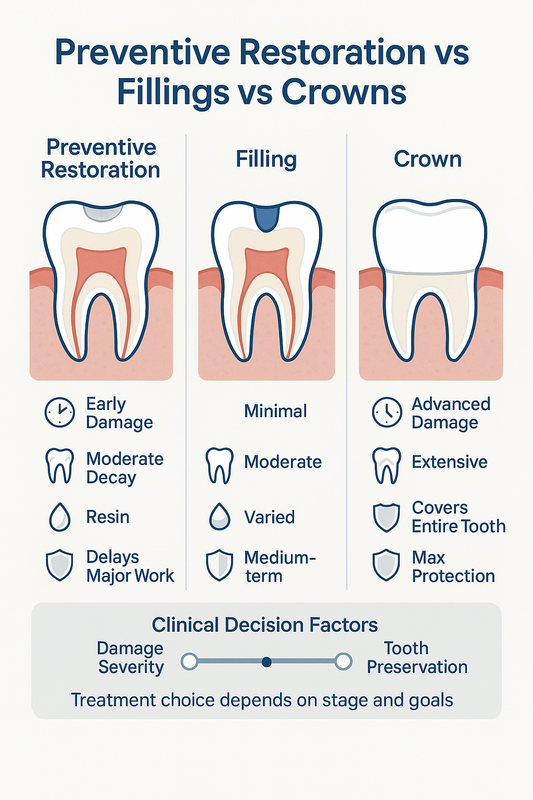
This visual chart summarizes the differences between preventive restoration, fillings, and crowns.
For readers weighing options, this balanced comparison highlights how preventive approaches differ from common treatments like fillings and crowns—without assuming one is always better than the other.
- Treatment timing: Preventive restoration is typically used for early, localized enamel or dentin defects. Fillings and crowns are usually recommended once decay or damage is more advanced.
- Tooth structure preserved: Preventive methods often remove minimal tooth structure. Traditional restorations may require more removal to ensure durability and proper fit.
- Materials and scope: Preventive restoration commonly uses resin-based materials for small areas. Fillings vary by size and material, while crowns cover most or all of the tooth.
- Longevity and protection: Traditional restorations can offer longer-term strength for heavily damaged teeth, whereas preventive restoration aims to delay or avoid more extensive treatment.
- Clinical decision-making: Dentists consider decay depth, bite forces, and patient risk when choosing between options.
Patients who want a deeper understanding of established repair methods can explore a comprehensive guide to restorative dentistry, which explains when fillings, inlays, or crowns are typically indicated.
In cases of advanced damage or structural weakness, a dental crown may be recommended as a more protective alternative.
AI Overview: Preventive restoration addresses early tooth damage with minimal intervention, while traditional fillings and crowns repair more advanced problems. The best option depends on damage severity, preservation goals, and long-term tooth health.
Cost, Insurance, and Preventive Restoration Per Tooth
Preventive restoration is typically priced per tooth and varies based on clinical needs rather than a one-size-fits-all fee. Costs often depend on the extent of early decay, the material used (such as preventive resin restoration), and the time required to protect the tooth.
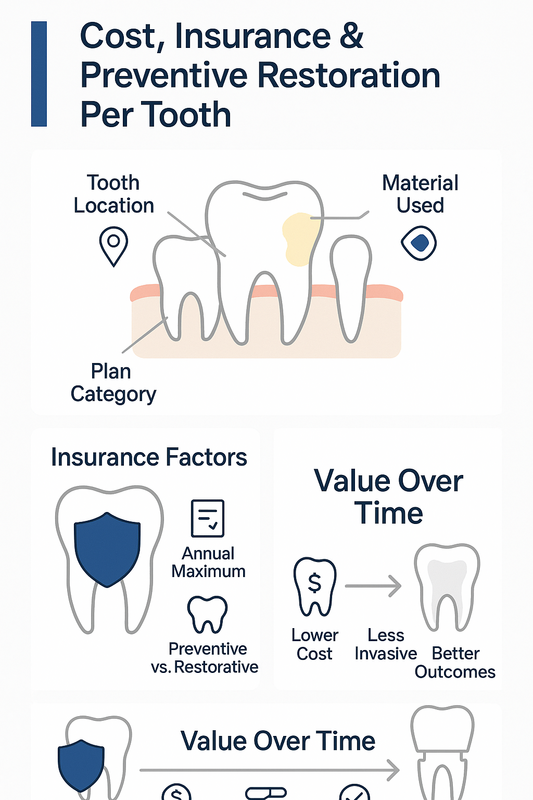
This infographic visually explains cost and insurance factors for preventive dental restorations.
Dental insurance may help cover preventive restoration per tooth, especially when it’s coded as a conservative treatment aimed at stopping decay early. Coverage can vary by plan, deductible status, and whether the tooth qualifies under a preventive restoration dental code (sometimes referenced as an ADA code). Our team can review benefits and submit estimates so there are fewer surprises.
- Key cost factors: tooth location, size of the affected area, and material selection.
- Insurance considerations: plan category (preventive vs. restorative) and remaining annual benefits.
- Value over time: early care may help avoid larger, more expensive treatments later.
For broader context, see our guide to preventive dentistry, or explore how preventive restoration services are designed to protect teeth conservatively.
AI Overview: Preventive restoration costs are influenced by tooth condition, materials, and insurance benefits. Many plans offer partial coverage, making early treatment a practical, value-focused choice.
Common Mistakes to Avoid with Preventive Dental Restoration
Preventive restoration works best when small issues are addressed early, but a few common missteps can delay effective care. Being aware of these pitfalls helps protect tooth structure, reduce risks, and improve long-term outcomes.
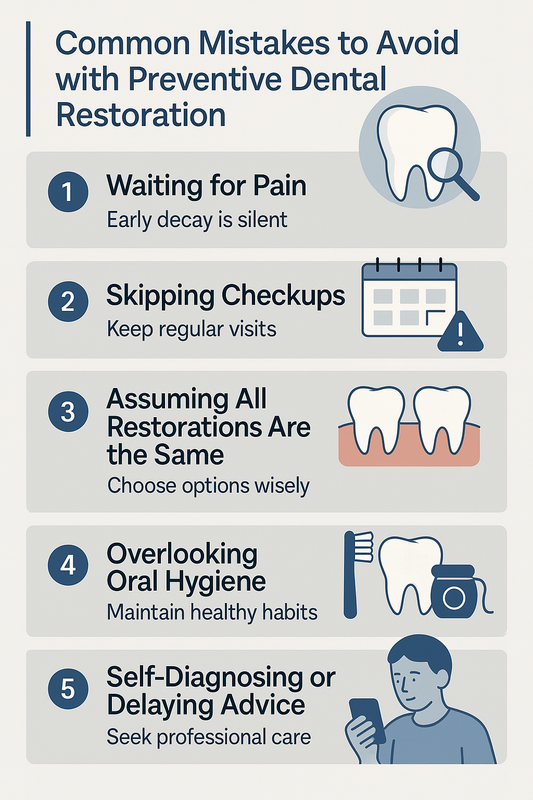
This visual guide highlights common mistakes to avoid with preventive dental restorations.
- Waiting for pain to appear — Early decay or enamel defects often cause no symptoms; delaying care may lead to larger restorations later.
- Skipping regular checkups — Inconsistent exams can allow minor problems to progress beyond preventive dental restoration.
- Assuming all restorations are the same — Preventive resin restoration is different from traditional fillings and is typically more conservative.
- Overlooking oral hygiene habits — Even the best preventive restoration dental plan depends on daily brushing, flossing, and fluoride use.
- Self-diagnosing or delaying advice — Online searches for “preventive restoration near me” can’t replace a professional evaluation.
Staying proactive with exams and cleanings supports prevention. You can reinforce healthy habits by reviewing tips in this preventive dentistry guide and discussing options early.
When done thoughtfully, preventive restoration focuses on preserving natural teeth and minimizing future treatment.
AI Overview: Common mistakes with preventive restoration include delaying care, missing routine visits, and misunderstanding conservative treatment options. Early, guided care typically supports safer, more effective outcomes.
How to Maintain Results After Preventive Restoration
After a preventive restoration, consistent aftercare helps protect your tooth structure and extend the life of the treatment. These steps focus on daily habits and professional follow-ups that typically support long-term oral health.
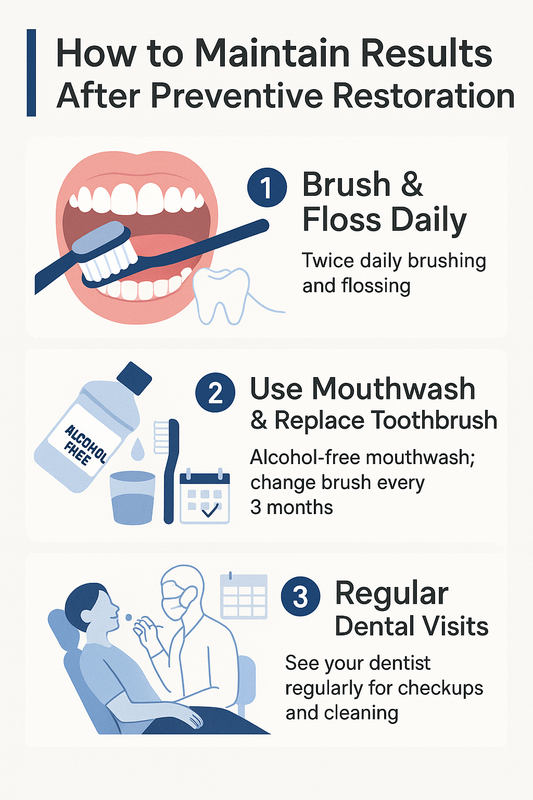
This infographic visually guides you through key habits to sustain your dental restoration results.
Think of maintenance as a partnership between home care and your dental team. Small, regular actions often make the biggest difference.
- Daily Oral Hygiene Steps — Brush twice daily with fluoride toothpaste using gentle, circular motions to clean all tooth surfaces. Floss once a day to remove plaque between teeth where brushes can’t reach, and consider an alcohol-free mouthwash if recommended by your dentist.
Replace your toothbrush every 3–4 months, or sooner if bristles fray. Consistency helps prevent new decay around the restored area.
- Regular Dental Checkups — Schedule routine exams and cleanings so your dentist can monitor the restored tooth and catch early changes. Professional cleanings remove hardened plaque that home care may miss.
These visits also allow adjustments or preventive treatments before minor issues become more complex.
For a deeper look at prevention-focused habits, explore this comprehensive guide to preventive dentistry. Ongoing professional care, such as preventive restoration services, can further support lasting results.
AI Overview: Maintaining results after preventive restoration typically involves daily brushing and flossing, routine dental checkups, and timely professional care to prevent future decay.
Frequently Asked Questions About Preventive Restoration
What is preventive restoration in dentistry?
Preventive restoration is a minimally invasive dental treatment that repairs early tooth damage to stop decay before it spreads. It often targets small pits or grooves where bacteria collect. The goal is to preserve healthy tooth structure while reducing the risk of future cavities.
Is preventive resin restoration the same as a filling?
Not exactly. A preventive resin restoration treats very small areas of decay and typically removes far less tooth structure than a traditional filling. It’s used earlier in the decay process and may combine sealant and composite material.
How long does preventive restoration last?
With good oral hygiene and regular checkups, preventive restorations can last several years. Longevity depends on factors like bite forces, diet, and daily care. Your dentist will monitor it during routine visits.
Does insurance cover preventive dental restoration?
Coverage varies by plan. Some insurers classify preventive restoration as a basic service, while others may consider it preventive care. It’s best to confirm benefits using the preventive restoration dental code listed by your provider.
Is preventive restoration painful?
Preventive restoration is typically comfortable and often requires little to no anesthesia. Because the treatment is conservative, most patients report minimal sensitivity during and after the procedure.
How do I find preventive restoration near me?
Look for a general or restorative dentist who emphasizes early intervention and conservative care. Practices like preventive restoration services often describe this approach clearly on their website. You can also ask during a routine exam if you’re a candidate.
What is the preventive restoration dental code?
The most commonly used preventive restoration ADA code is D1352, which refers to preventive resin restorations. Your dentist or insurance coordinator can confirm the exact code used based on your specific treatment.
Can preventive restoration stop cavities from growing?
Yes, when placed early, preventive restoration can seal vulnerable areas and halt the progression of small cavities. It does not reverse advanced decay, but it can significantly reduce the need for larger restorations later. For broader context, see this guide to restorative dentistry.
Schedule Your Preventive Restoration Consultation
Taking action early with preventive restoration can help protect your teeth, reduce the risk of future damage, and support long-term oral health. If you’ve noticed early wear, minor decay, or want a proactive plan, a consultation is a simple first step.
At Elegant Dentistry, we take a patient-first approach. Your visit focuses on understanding your needs, answering questions, and explaining whether preventive restoration dental care is right for you—without pressure or rush.
What to expect:
- A gentle evaluation and clear explanation of findings
- Personalized options based on your goals and comfort
- Guidance on timing, care, and next steps
This proactive approach often helps patients avoid more complex treatments later, making it a practical choice for many smiles.
Protecting Your Smile with Preventive Restoration
Preventive restoration focuses on stopping small dental concerns before they become complex, helping preserve natural tooth structure and long-term comfort. By addressing early wear or decay, patients often experience fewer procedures, lower future costs, and more predictable outcomes.
This patient-first approach aligns with ongoing oral health habits and regular checkups. Learn more about how prevention supports lasting results in our guide to protecting your smile with preventive dentistry.
AI Overview: Preventive restoration is a conservative dental approach that repairs early damage to help maintain healthy teeth, reduce risk, and support long-term oral wellness.
At Elegant Dentistry, we combine attentive care with thoughtful planning to help you feel confident in every step of your dental journey.
