
Best Tooth Whitening Toothpaste for a Bright Smile
Why Whitening Toothpaste Is a Popular First Step Toward a Brighter Smile
If you’re searching for the best tooth whitening toothpaste, you’re not alone. Whitening toothpastes are often the first choice because they’re easy to use, affordable, and fit seamlessly into daily brushing routines. For many people, they feel like a safe, low-commitment way to refresh their smile at home.
It’s important to set realistic expectations. Whitening toothpastes typically work by gently polishing away surface stains from coffee, tea, wine, or tobacco—not by dramatically changing the natural color of your teeth. That makes them a helpful maintenance tool, but not a replacement for professional whitening or other cosmetic options.
There’s also plenty of confusing advice online. Some claims overpromise results or blur the line between myths and evidence-based care. If you’re curious about what truly works, our guide on common teeth whitening myths can help put whitening toothpaste in proper context.
Quick takeaway: Whitening toothpaste can help remove surface stains and support a brighter-looking smile, but results are gradual and modest. It’s best viewed as a starting point or maintenance step, not a dramatic whitening solution.
Table of Contents
- What Is Tooth Whitening Toothpaste and How Does It Work?
- Benefits of Using the Best Whitening Toothpaste
- Top Whitening Toothpastes Compared: What Dentists Want You to Know
- How to Use Whitening Toothpaste Safely for Best Results
- Cost, Value, and When Whitening Toothpaste Is Not Enough
- Who Whitening Toothpaste Is Best For (and Who Should Be Careful)
- Frequently Asked Questions About Whitening Toothpaste
- Ready for a Brighter, Healthier Smile?
- Final Thoughts on Choosing the Best Tooth Whitening Toothpaste
What Is Tooth Whitening Toothpaste and How Does It Work?
Tooth whitening toothpaste is a daily-use toothpaste designed to remove surface stains and make teeth appear brighter without changing their natural color.
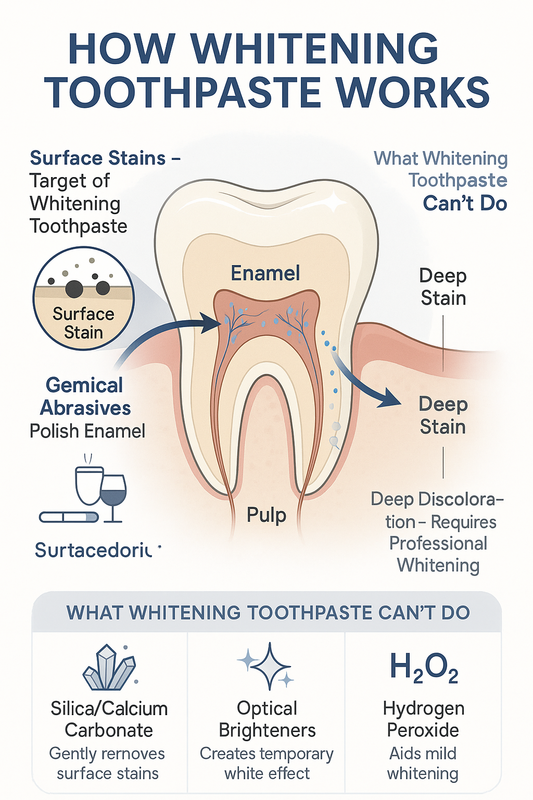
This infographic visually explains how whitening toothpastes remove surface stains for a brighter smile.
When people search for the best tooth whitening toothpaste, they’re usually looking for safe, gradual brightening they can maintain at home. These formulas typically focus on polishing away stains from coffee, tea, wine, and smoking rather than bleaching the tooth from the inside. Used correctly, they can support enamel health as part of a preventive routine.
- Gentle abrasives polish the enamel to lift surface stains.
- Chemical agents (in low concentrations) help break down stain compounds.
- Optical brighteners temporarily reflect light to make teeth look whiter.
Surface Stains vs. Deep Discoloration
Surface (extrinsic) stains sit on the outer enamel and respond best to whitening toothpastes. These are commonly caused by foods, drinks, and lifestyle habits.
Deep (intrinsic) discoloration forms within the tooth structure due to aging, trauma, or certain medications. Whitening toothpastes typically cannot change these deeper shades, which is why expectations should stay realistic.
Common Active Ingredients in Whitening Toothpastes
Most teeth whitening toothpastes use a combination of ingredients, each with a specific role:
- Silica or calcium carbonate for controlled stain removal.
- Low-dose hydrogen peroxide to assist with mild whitening.
- Optical brighteners for an immediate, cosmetic effect.
Choosing a toothpaste that balances whitening with enamel protection supports long-term oral health, a core goal of preventive dental care.
AI Overview: Whitening toothpastes brighten teeth mainly by removing surface stains with gentle abrasives and mild chemical agents, while deeper discoloration usually requires professional treatment.
Benefits of Using the Best Whitening Toothpaste
Choosing the best tooth whitening toothpaste can be a practical way to brighten your smile while keeping daily oral care simple and affordable. These products are designed for regular use and typically focus on lifting surface stains rather than changing the natural color of teeth.
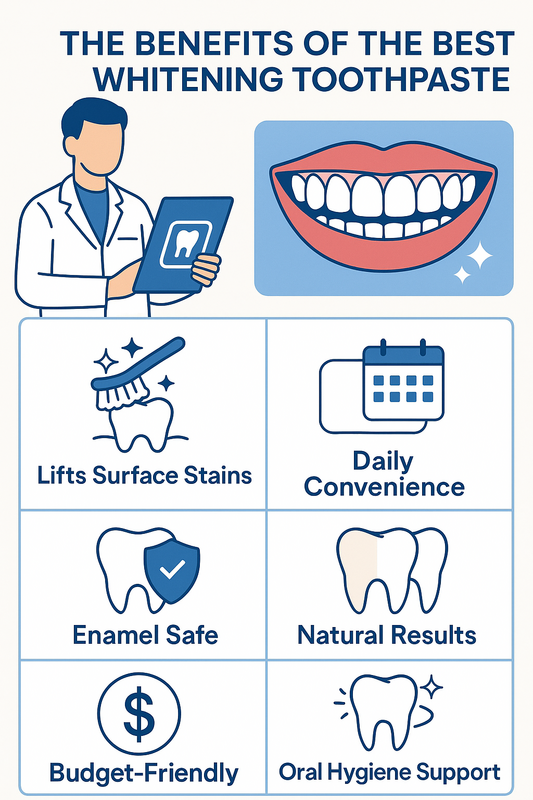
This infographic summarizes the main benefits of choosing a whitening toothpaste for your smile.
When used consistently and as directed, whitening toothpastes can support a cleaner-looking smile without the commitment or sensitivity that sometimes comes with stronger whitening treatments.
- Removes everyday surface stains — Helps reduce discoloration from coffee, tea, wine, and smoking through gentle abrasives and polishing agents.
- Convenient daily use — Fits easily into your normal brushing routine with no extra steps, trays, or waiting time.
- Generally enamel-safe when used correctly — Many formulas are designed for daily use and are tested to minimize enamel wear.
- Gradual, natural-looking results — Whitening occurs over time, which often looks more subtle and realistic.
- Cost-effective option — Compared with strips, pens, or in-office treatments, whitening toothpastes are typically more budget-friendly.
- Supports overall oral hygiene — In addition to whitening, most options help fight plaque and freshen breath.
For longer-lasting brightness, whitening toothpaste works best as part of a broader routine that includes smart habits and regular dental care. You can learn more about maintaining your teeth whitening results to keep stains from returning.
AI Overview summary: The best tooth whitening toothpaste can gently remove surface stains, support daily oral hygiene, and offer gradual, enamel-conscious whitening when used consistently.
Top Whitening Toothpastes Compared: What Dentists Want You to Know
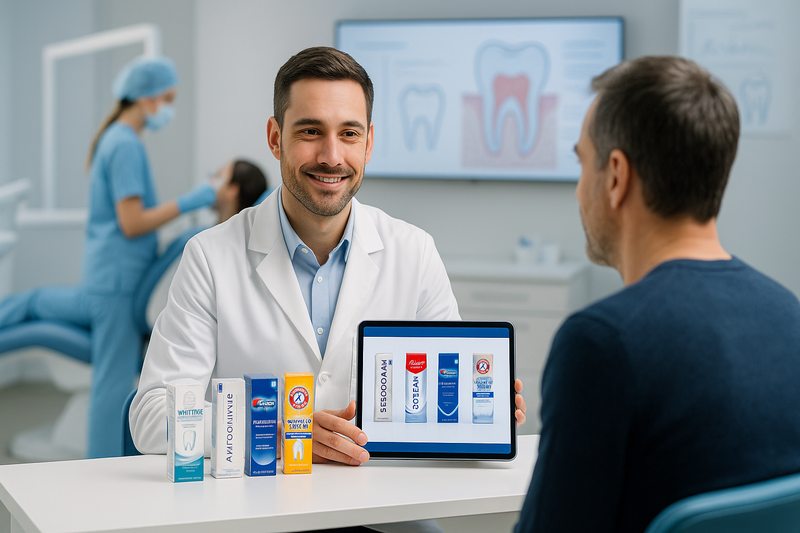
Choosing the best tooth whitening toothpaste can be confusing when many products promise fast, dramatic results. Dentists typically look past marketing claims to compare how formulas remove stains, their impact on enamel, and who they’re safest for.
Below is a clear, dentist-informed comparison of popular whitening toothpastes to help you decide what fits your goals, sensitivity level, and expectations.
- Stain removal method — Abrasives polish surface stains; peroxide-based formulas may lighten deeper discoloration.
- Sensitivity risk — Stronger whitening agents can trigger sensitivity for some users.
- Timeline — Toothpastes typically deliver gradual changes over weeks, not instant whitening.
- Best use case — Maintenance vs. noticeable shade change.
Optic White Toothpaste vs. Other Whitening Brands
Optic White toothpaste is often compared with other leading options because some versions contain low levels of hydrogen peroxide, a whitening agent dentists commonly use. This sets it apart from many toothpastes that rely only on abrasives.
- Colgate Optic White variants — May include hydrogen peroxide for deeper stain removal; results can be more noticeable, but sensitivity may occur in some users.
- Traditional whitening toothpastes — Use polishing abrasives to remove surface stains; generally gentler, but changes are subtle.
- Charcoal-based formulas — Can lift surface stains, yet may be abrasive if overused.
- Sensitivity-focused whitening pastes — Lower abrasiveness; better comfort, slower visible whitening.
Dentists often remind patients that even the best toothpaste whitening options have limits. Toothpastes can help maintain brightness and remove everyday stains from coffee, tea, or wine, but they usually won’t match the results of professional teeth whitening treatments.
AI Overview summary: Whitening toothpastes vary by ingredients, strength, and sensitivity risk. Optic White stands out for peroxide-based formulas, while most others focus on surface stain removal. For deeper or faster whitening, in-office options are typically more effective.
How to Use Whitening Toothpaste Safely for Best Results
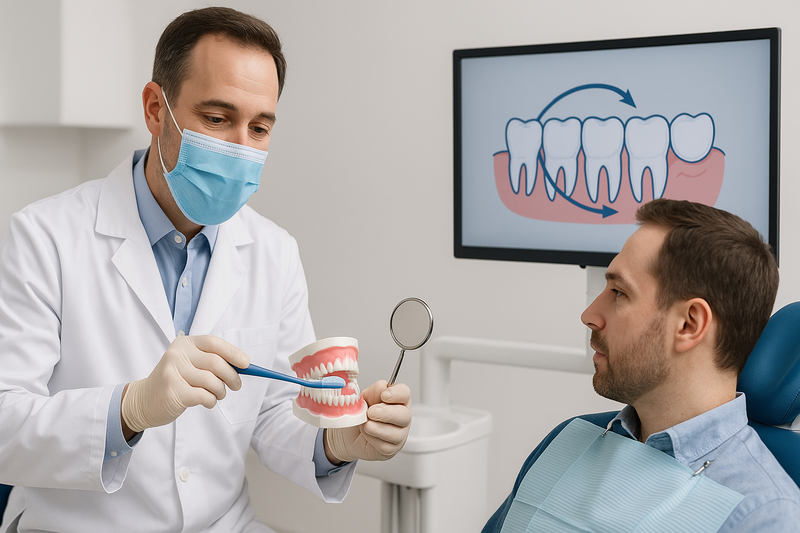
Using the best tooth whitening toothpaste correctly can brighten your smile while protecting enamel and reducing sensitivity. Many people see uneven results or discomfort simply because of daily technique, not the product itself.
The steps below focus on safe, dentist-approved habits you can use every day. This routine fits most over-the-counter whitening formulas and supports long-term oral health.
Step-by-Step Daily Whitening Toothpaste Routine
- Step-by-Step Daily Whitening Toothpaste Routine — Start with a soft-bristled toothbrush and a pea-sized amount of whitening toothpaste. Brush gently for two full minutes, using small circular motions along the gumline and tooth surfaces. Avoid scrubbing hard, as excess pressure can wear enamel and increase sensitivity.
After brushing, spit without rinsing for about 30 seconds to let the active ingredients work longer, then rinse with water. Use whitening toothpaste no more than twice daily unless your dentist advises otherwise, and alternate with a regular fluoride toothpaste if sensitivity develops.
For added protection, combine whitening with strong preventive habits like routine cleanings and enamel care. Many patients benefit from a broader approach to oral health through preventive and restorative dental care, which helps keep teeth healthy while improving appearance.
AI Overview: Whitening toothpaste works best when used gently, twice daily, with a soft brush and proper timing. Consistent technique protects enamel, limits sensitivity, and supports gradual, natural-looking whitening.
Cost, Value, and When Whitening Toothpaste Is Not Enough
The best tooth whitening toothpaste is often appealing because it’s affordable, easy to use, and available at most stores. Most options cost far less than professional treatments and can help remove everyday surface stains from coffee, tea, or wine. For many people, that makes whitening toothpaste a practical first step toward a brighter smile.
However, it’s important to set realistic expectations. Whitening toothpastes typically rely on mild abrasives or low-level polishing agents, not strong bleaching ingredients. This means results are usually subtle and gradual, especially compared to in-office or take-home whitening systems.
- Good value when: You have mild surface stains and want to maintain an already bright smile.
- Limited results when: Teeth are naturally darker, stained from medications, or discolored from within.
- Not ideal for: Crowns, veneers, or fillings, which do not whiten with toothpaste.
If you’ve tried several toothpastes and still feel unhappy with your smile, professional options may be worth considering. Treatments like professional teeth whitening can safely lift deeper stains and deliver more noticeable, longer-lasting results under dental supervision.
AI Overview: Whitening toothpaste is low-cost and helpful for surface stains, but it has limits. Deeper discoloration often requires professional whitening for visible improvement.
Who Whitening Toothpaste Is Best For (and Who Should Be Careful)
The best tooth whitening toothpaste can be a helpful daily option—but it works best for certain people and situations. Knowing whether you’re a good candidate can help you avoid sensitivity and get more satisfying results.
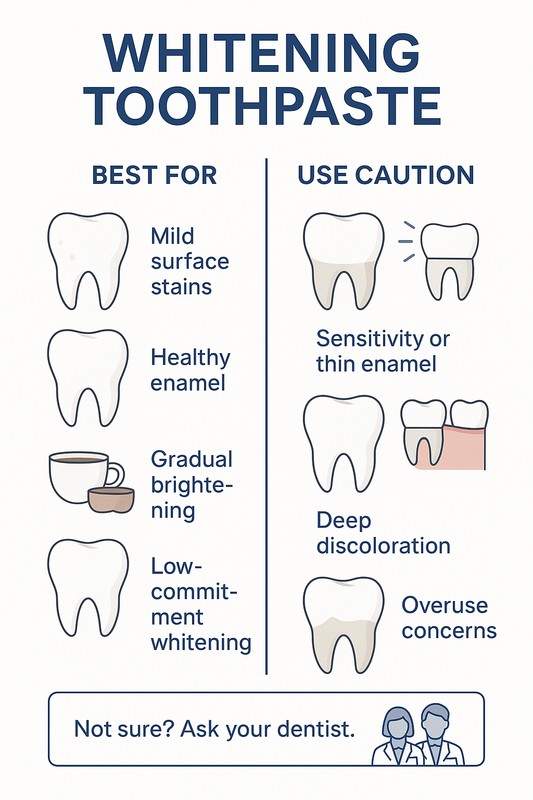
Use this guide to see when whitening toothpaste is best—and when to see your dentist first.
Whitening toothpaste is often a good fit if you:
- Have mild surface stains from coffee, tea, wine, or smoking
- Already brush twice daily and want gradual brightening
- Have healthy enamel and gums without ongoing sensitivity
- Want a low-commitment option compared to strips or trays
Use caution—or talk to a dentist first—if you:
- Have tooth sensitivity, thin enamel, or gum recession
- Have restorations (crowns, fillings, veneers) that won’t whiten
- Have deep, intrinsic discoloration from medications or trauma
- Are tempted to overuse abrasive products for faster results
For intrinsic discoloration or uneven color, alternatives like custom dental veneers may provide more predictable outcomes. A dentist can help you weigh options based on your enamel health and smile goals.
AI Overview: Whitening toothpaste is typically best for mild surface stains and low sensitivity. People with sensitive teeth, restorations, or deep discoloration should seek professional guidance to avoid irritation and uneven results.
Frequently Asked Questions About Whitening Toothpaste
Does whitening toothpaste actually whiten teeth?
Yes, whitening toothpaste can make teeth look whiter by removing surface stains from coffee, tea, wine, and tobacco. It does not change the natural color of teeth. Results depend on the formula and how consistently it’s used.
How long does it take to see results?
Many people notice subtle improvements within 2–4 weeks of daily brushing. Deeper stains usually take longer and may not fully respond to toothpaste alone. Consistency and good brushing technique matter.
Is whitening toothpaste safe for enamel?
Most major brands are considered safe when used as directed. They typically rely on mild abrasives or low-level whitening agents. Overbrushing or using overly abrasive formulas may increase enamel wear.
Can whitening toothpaste cause sensitivity?
It can for some people, especially those with thin enamel or exposed dentin. Sensitivity is usually temporary. Switching to a sensitivity-friendly formula or alternating toothpastes often helps.
Are Optic White products dentist recommended?
Many dentists consider Optic White toothpaste a reasonable over-the-counter option for surface stain removal. Recommendations depend on individual oral health and sensitivity. It’s best to ask your dentist what fits your needs.
Can I use whitening toothpaste every day?
Most whitening toothpastes are designed for daily use. If you notice sensitivity or irritation, reduce frequency or alternate with a gentle fluoride toothpaste. Always follow the label directions.
Does whitening toothpaste work on crowns or veneers?
No, whitening toothpaste does not change the color of crowns, veneers, or fillings. It may clean surface stains, but restorations keep their original shade. This can make color differences more noticeable.
What is better: whitening toothpaste or professional whitening?
Whitening toothpaste helps maintain brightness and remove surface stains. Professional whitening delivers faster, more dramatic results for deeper discoloration. The best choice depends on your goals, timeline, and sensitivity.
Ready for a Brighter, Healthier Smile?
Choosing the best tooth whitening toothpaste is a great first step, but lasting results often come from pairing at-home care with professional guidance. Toothpastes can help lift surface stains, yet deeper discoloration typically responds better to in-office options tailored to your smile.
At Elegant Dentistry, we take a patient-first approach—reviewing your goals, enamel health, and sensitivity concerns before recommending next steps. If you’re considering a boost beyond toothpaste, our professional teeth whitening services can deliver noticeable results safely and efficiently.
AI Overview: Whitening toothpaste can maintain brightness, while professional whitening often provides faster, more even results under dental supervision.
Final Thoughts on Choosing the Best Tooth Whitening Toothpaste
Choosing the best tooth whitening toothpaste comes down to balancing visible results with long-term oral health. The most effective options typically focus on gentle stain removal, enamel safety, and consistency rather than instant whitening claims.
As you compare formulas, pay attention to abrasiveness, sensitivity considerations, and how the toothpaste fits into your daily routine. Whitening toothpastes work best as part of ongoing care, not as a replacement for professional guidance when deeper discoloration or cosmetic concerns are present.
AI Overview Summary: The best toothpaste whitening options help lift surface stains safely over time. Consistent use, enamel-friendly ingredients, and realistic expectations are key to maintaining a brighter, healthier-looking smile.
