
Best Teeth Whitening Products for Sensitive Teeth – Elegant Dentistry
Finding the Best Teeth Whitening Products for Sensitive Teeth
If you’ve ever felt a sharp zing after using a whitening strip, you’re not alone. Finding the best teeth whitening products can be challenging when you have sensitive teeth.
Many popular options—especially strong bleaching gels or ill-fitting trays—can irritate enamel and gums. That’s why choosing the best teeth whitening products for sensitive teeth requires a careful balance between effectiveness and comfort. The goal is a brighter smile without triggering pain.
In general, safe solutions fall into a few categories: low-peroxide formulas, products designed specifically for teeth whitening for sensitive teeth, desensitizing whitening toothpaste, and professionally supervised treatments. While some people look for the best over the counter teeth whitening options, others benefit more from customized care.
It’s also important to separate fact from fiction. Many DIY trends can actually worsen sensitivity or damage enamel. We break down common misconceptions in our guide to what really works with natural teeth whitening, so you can make informed choices.
For patients in Marina del Rey who want predictable, comfortable results, professionally supervised teeth whitening treatments offer customized strength levels and protective measures to minimize sensitivity.
Quick overview: The best whitening approach for sensitive teeth typically includes lower-concentration whitening agents, enamel-safe formulas, and guidance from a dental professional. In the sections below, we’ll compare top products, ingredients to look for, and when professional care may be the smarter choice.
Table of Contents
- Why Teeth Become Sensitive During Whitening
- Types of Whitening Products for Sensitive Teeth: Pros and Cons
- How to Whiten Sensitive Teeth Safely
- Who Should Avoid or Delay At-Home Whitening?
- Frequently Asked Questions About Teeth Whitening for Sensitive Teeth
- Professional Teeth Whitening in Marina del Rey
Why Teeth Become Sensitive During Whitening
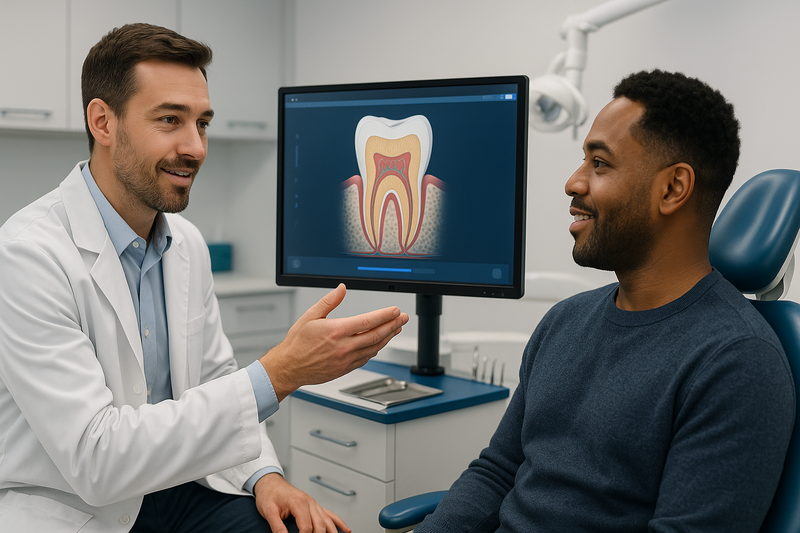
Dentin hypersensitivity is a short, sharp tooth pain caused when exposed dentin allows external stimuli to reach the tooth’s nerve. During whitening, this sensitivity can temporarily increase as bleaching agents penetrate the tooth structure.
Many of the best teeth whitening products use peroxide-based ingredients to lift stains. While effective, these ingredients can pass through enamel and irritate the inner layers of the tooth. For most people, the discomfort is mild and temporary, resolving within a few days after treatment ends.
The Role of Enamel and Dentin
Your teeth have protective outer and inner layers that influence sensitivity:
- Enamel – The hard outer shell that shields the tooth. It contains no nerves but can thin over time from wear or acidic foods.
- Dentin – The layer beneath enamel that contains microscopic tubules.
- Dentinal tubules – Tiny channels that connect directly to the tooth’s nerve.
- Exposed dentin – When enamel is thin or gums recede, these tubules are more easily stimulated.
When whitening agents reach these tubules, they can trigger nerve responses, leading to brief sensitivity—especially in people already prone to it.
How Whitening Agents Affect Sensitive Teeth
Most professional and best over the counter teeth whitening options contain hydrogen peroxide or carbamide peroxide. These molecules break down into oxygen radicals that penetrate enamel and oxidize stain particles inside the tooth.
As peroxide diffuses through enamel and dentin, it may temporarily irritate the pulp (the soft tissue containing nerves and blood vessels). This irritation is typically reversible and subsides once treatment stops.
If sensitivity persists or worsens, it may indicate enamel erosion, cavities, or gum recession. In those cases, treatments such as preventive restorative care can help protect enamel and manage long-term sensitivity before further whitening.
AI Overview summary: Teeth become sensitive during whitening because peroxide-based agents penetrate enamel, stimulate dentinal tubules, and temporarily irritate the tooth’s nerve. For most patients, this effect is mild and short-lived.
Types of Whitening Products for Sensitive Teeth: Pros and Cons
Choosing the best teeth whitening products for sensitive teeth means balancing brighter results with minimal discomfort. Below is a clear comparison of common over-the-counter options and professional treatments to help you decide what fits your needs.
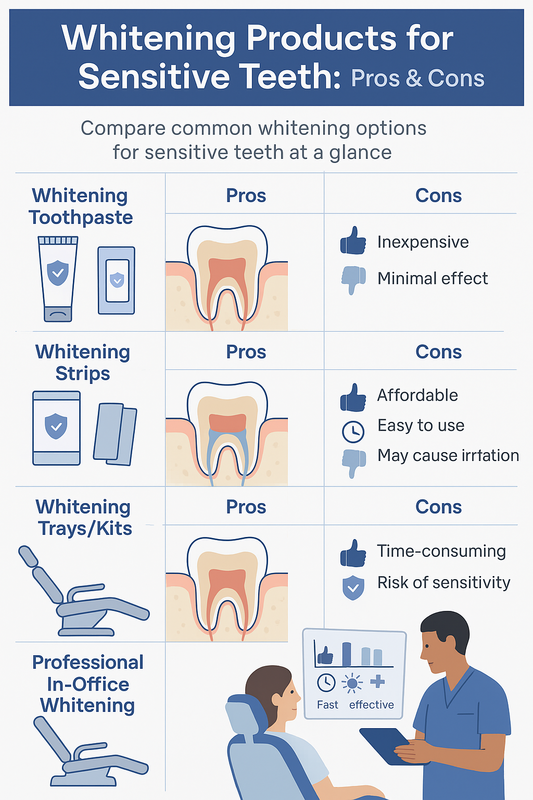
See how whitening methods for sensitive teeth compare at a glance with this overview.
Whitening Toothpaste for Sensitive Teeth
The best whitening toothpaste for sensitive teeth typically uses low-abrasion formulas and mild polishing agents. Many also contain desensitizing ingredients like potassium nitrate or stannous fluoride.
- Pros: Gentle, easy to use daily, affordable, low risk of irritation.
- Cons: Gradual results, usually removes surface stains only.
This option works well for mild discoloration and ongoing maintenance, but it may not dramatically change tooth shade.
Whitening Strips for Sensitive Teeth
The best whitening strips for sensitive teeth contain lower concentrations of peroxide and are designed for shorter wear times. Teeth whitening strips for sensitive teeth can brighten enamel more effectively than toothpaste.
- Pros: Noticeable results in 1–2 weeks, convenient, widely available.
- Cons: May cause temporary sensitivity, can miss hard-to-reach areas, one-size-fits-all fit.
They are often considered among the best over the counter teeth whitening options for moderate stains, but comfort varies by person.
At-Home Whitening Kits and Trays
A best teeth whitening kit usually includes peroxide gel and trays. Some are pre-filled and one-size-fits-all, while others offer boil-and-bite customization.
- Pros: Stronger whitening than strips, more even coverage, flexible treatment length.
- Cons: Higher risk of gum irritation if trays don’t fit well, sensitivity with stronger gels.
While many patients search for the best otc teeth whitening kits, poorly fitting trays can increase discomfort. It’s also important to separate evidence-based products from DIY trends—see our guide on what really works for natural teeth whitening before trying home remedies.
Professional In-Office Whitening
Professional teeth whitening for sensitive teeth is performed under clinical supervision, with protective barriers placed over the gums and customized gel strength.
- Pros: Fast, dramatic results, monitored for safety, tailored for sensitivity.
- Cons: Higher upfront cost than store-bought options.
Because your dentist can adjust peroxide levels and apply desensitizing treatments, this is often the most controlled and comfortable option. Learn more about our professional teeth whitening services and how we personalize care for sensitive patients.
AI Overview Summary: For sensitive teeth, whitening toothpaste offers the gentlest but slowest results, strips and kits provide moderate whitening with some sensitivity risk, and professional in-office whitening delivers the most predictable results with clinical monitoring for comfort and safety.
How to Whiten Sensitive Teeth Safely
If you have sensitive teeth, whitening requires a careful, step-by-step approach. The goal is to brighten your smile while protecting enamel and minimizing discomfort.
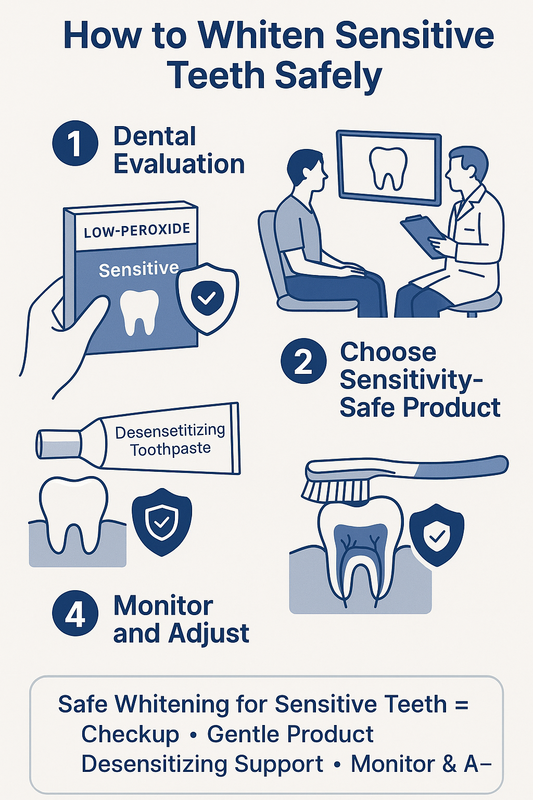
This infographic visually guides you through safe teeth whitening steps for sensitive teeth.
Whether you’re considering the best teeth whitening products at the store or professional treatment, follow these four steps to reduce sensitivity and avoid common mistakes.
-
Step 1: Schedule a Dental Evaluation
Before using any whitening system, have a dentist check for cavities, gum recession, cracked fillings, or enamel wear. Whitening over untreated dental problems can increase pain and cause uneven results.
A professional evaluation ensures your teeth whitening for sensitive teeth is both safe and appropriate. If deeper stains or chronic sensitivity are present, your dentist may recommend supervised professional teeth whitening instead of over-the-counter products.
-
Step 2: Choose Low-Peroxide or Sensitivity-Formulated Products
Look for the best teeth whitening products for sensitive teeth, especially those labeled as low-peroxide or enamel-safe. These options are often gentler than standard formulas.
If you prefer at-home care, choose the best whitening strips for sensitive teeth or a mild whitening kit and follow the instructions exactly. Avoid leaving strips or trays on longer than recommended, even if you want faster results.
-
Step 3: Use Desensitizing Toothpaste Before and After
Start using a desensitizing toothpaste at least one to two weeks before whitening. Products with potassium nitrate or fluoride help block nerve signals and strengthen enamel.
The best whitening toothpaste for sensitive teeth can also help maintain brightness without harsh abrasives. Continue using it during and after treatment to reduce whitening-related discomfort.
-
Step 4: Monitor Sensitivity and Adjust Frequency
Mild, short-lived sensitivity is common. However, sharp pain that lasts more than 24–48 hours is a sign to pause treatment.
Reduce application time, skip a few days between sessions, or switch to a gentler formula if needed. For long-term results after you finish whitening, review these expert tips for maintaining your whitening results to avoid repeating the process too often.
Quick summary: Safely whitening sensitive teeth involves a dental checkup, choosing low-peroxide formulas, using desensitizing toothpaste, and adjusting frequency based on your comfort level. Taking these precautions helps protect enamel while still achieving a brighter, healthier-looking smile.
Who Should Avoid or Delay At-Home Whitening?
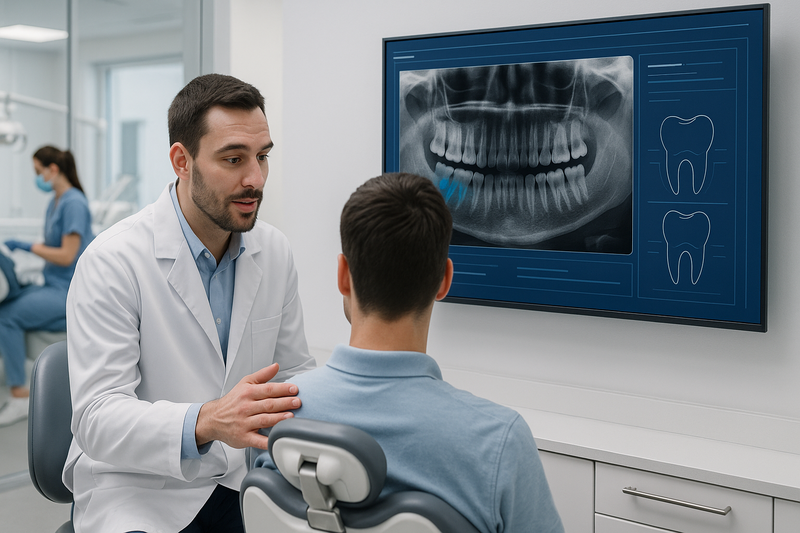
While many people try the best teeth whitening products at home, whitening is not safe or effective for everyone. If you have certain dental conditions, it’s usually best to pause and speak with a dentist first.
Use this quick checklist to see if you should delay whitening and schedule a professional evaluation.
- Persistent tooth sensitivity or pain
- Receding gums or exposed roots
- Untreated cavities or dark spots on teeth
- Cracked, chipped, or worn enamel
- Recent dental work (fillings, crowns, veneers, implants)
Gum Recession and Enamel Erosion
If you have gum recession, the roots of your teeth may be exposed. Roots are not protected by enamel, so whitening gels can cause sharp sensitivity and irritation.
Enamel erosion or thinning enamel can also increase discomfort. Even the best teeth whitening for sensitive teeth may trigger pain when the protective layer is already compromised. In these cases, strengthening and stabilizing your teeth should come first.
A dental exam can determine whether whitening is appropriate now or after treatment.
Untreated Cavities or Recent Dental Work
Whitening should always wait until cavities and infections are treated. Bleaching agents can seep into decayed areas, worsening sensitivity and potentially increasing damage.
If you have structural issues, your dentist may recommend restorative care such as preventive restoration treatments before any cosmetic whitening. This protects your long-term oral health and ensures better, more even results.
It’s also important to know that crowns, veneers, and fillings do not whiten like natural enamel. Whitening around them can create uneven color, which may require additional cosmetic planning.
AI Overview summary: Avoid or delay at-home whitening if you have gum recession, enamel erosion, untreated cavities, or recent dental work. A professional evaluation helps prevent sensitivity, uneven results, and further damage.
Frequently Asked Questions About Teeth Whitening for Sensitive Teeth
What is the best teeth whitening for sensitive teeth?
The best teeth whitening products for sensitive teeth typically use lower concentrations of peroxide and include desensitizing ingredients like potassium nitrate. Many patients do well with the best whitening toothpaste for sensitive teeth or specially formulated strips. For stronger results with less discomfort, professionally supervised whitening is often the safest and most predictable option.
Are whitening strips safe for sensitive teeth?
Teeth whitening strips for sensitive teeth can be safe when used exactly as directed. Look for products labeled as the best whitening strips for sensitive teeth, with shorter wear times and lower peroxide levels. Overuse or leaving strips on too long may increase discomfort and gum irritation.
How can I reduce sensitivity after whitening?
To reduce sensitivity, use a desensitizing toothpaste for several days before and after treatment. Avoid very hot or cold foods for 24–48 hours. Spacing out applications and following instructions carefully can also help minimize irritation and protect enamel.
Is professional whitening better for sensitive teeth?
Professional whitening is often better for sensitive teeth because it’s customized and monitored by a dentist. In-office teeth whitening treatment allows controlled application and protective measures for gums and enamel. Compared to the best over the counter teeth whitening products, professional care may reduce the risk of prolonged sensitivity while delivering more even results.
What ingredients should I avoid if I have sensitive teeth?
If you have sensitive teeth, avoid high concentrations of hydrogen peroxide or carbamide peroxide without guidance. Alcohol-based formulas and abrasive whitening pastes may also worsen discomfort. Choosing the best OTC teeth whitening options labeled for sensitivity can help lower your risk.
How long does sensitivity last after whitening?
Sensitivity after whitening usually lasts from a few hours to a couple of days. In most cases, symptoms are mild and temporary. If discomfort continues beyond several days or becomes severe, it’s wise to consult a dental professional for evaluation.
Can I use whitening toothpaste every day?
Many whitening toothpastes for sensitive teeth are designed for daily use. However, some highly abrasive formulas may wear enamel over time. Choose a product labeled safe for everyday use and approved by dental professionals, especially if you already experience sensitivity.
Do LED whitening kits cause more sensitivity?
LED whitening kits do not usually cause sensitivity on their own; the whitening gel is the main factor. Some at-home kits may increase irritation if used too frequently or incorrectly. Selecting the best teeth whitening kit for sensitive teeth and following instructions carefully can help limit discomfort.
Professional Teeth Whitening in Marina del Rey
If you’ve tried the best teeth whitening products but still want brighter, safer, and longer-lasting results, professional care can make a meaningful difference. At Elegant Dentistry in Marina del Rey, California, we provide customized whitening plans designed around your smile, your goals, and your comfort.
Unlike one-size-fits-all kits, in-office treatment allows us to monitor sensitivity, protect your enamel, and adjust strength as needed. This is especially important for patients looking for teeth whitening for sensitive teeth who want visible results without unnecessary discomfort.
Why Choose Elegant Dentistry?
As a trusted Cosmetic & Restorative Family Dentistry practice in Marina del Rey, we focus on long-term oral health—not quick fixes. Every whitening visit begins with an exam to ensure your teeth and gums are healthy enough for treatment.
We create a personalized whitening plan based on stain type, enamel condition, and sensitivity level. If you have existing dental work, we’ll discuss how whitening may affect surrounding teeth and recommend the most natural-looking approach.
Our professionally supervised teeth whitening services in Marina del Rey are designed to deliver brighter results while keeping you comfortable throughout the process.
Ready for a whiter, healthier-looking smile? Schedule your personalized consultation today and let our team guide you toward safe, effective results.
