
Jewel teeth usually refers to decorative tooth gems, crystals, or rhinestones bonded to the surface of a tooth, but some people also use the term when looking for more premium-looking cosmetic or restorative dental options. If you are thinking about adding sparkle to your smile, it helps to understand the difference between temporary adornments and treatments designed to restore or reshape teeth. While the cosmetic appeal is easy to see, dental health should come first. Not every smile is a good candidate, and the right option depends on factors like enamel condition, bite, existing dental work, and overall oral health.
In general, tooth gems are cosmetic accessories placed on healthy teeth, while crowns, veneers, or other restorations may be recommended when there is a functional or structural reason for treatment. That distinction matters because the risks, longevity, maintenance, and cost can vary. A balanced, safety-first approach means getting clear guidance before choosing anything that could affect your enamel, comfort, or long-term smile health.
What Are Jewel Teeth?
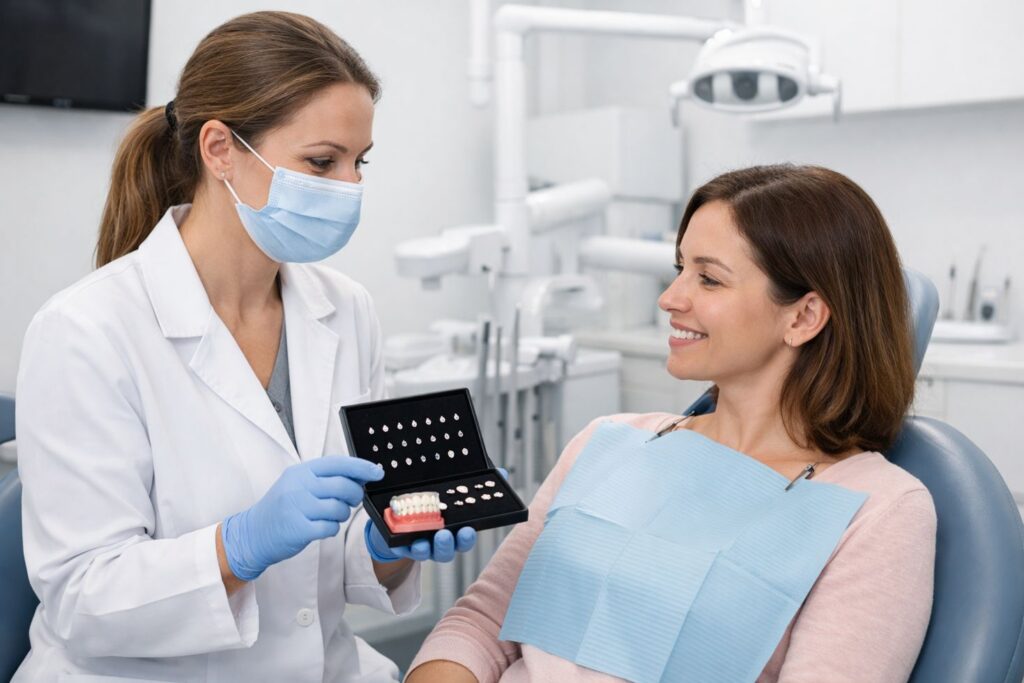
Jewel teeth usually refers to small decorative stones attached to the surface of a tooth for appearance rather than function. In everyday use, people may also call them tooth gems, and a rhinestone on teeth is one of the most common non-precious versions. These cosmetic accessories are typically bonded to enamel and are meant to add sparkle without changing the basic structure of the tooth.
The term can cover a few different meanings, so it helps to separate materials and intent. A tooth gem often describes a tiny crystal, gold accent, or other decorative piece placed on a natural tooth. A rhinestone on teeth generally refers to an affordable decorative stone rather than a precious gem. By contrast, phrases such as diamond encrusted veneers may be used casually online, but anything involving veneers, crowns, or other restorations needs careful professional evaluation because those options go beyond a simple surface accessory.
Tooth gems vs restorative dental work
This distinction matters. Decorative gems are usually surface-level cosmetic additions bonded onto enamel. Restorative dental work, such as crowns or veneers, is different because it may protect, rebuild, or reshape teeth and can involve more planning, preparation, and long-term maintenance. In short, jewel teeth are generally adornment, while restorative or structural cosmetic dentistry is treatment.
A note on historical references
You may also see references to mayan teeth gems in discussions of dental history and body adornment. That context is best understood as a historical and cultural example, not as a modern standard dental treatment. Today, the phrase jewel teeth most often refers to contemporary decorative tooth gems placed for style.
Why People Choose Tooth Gems and Jewel-Inspired Smile Enhancements
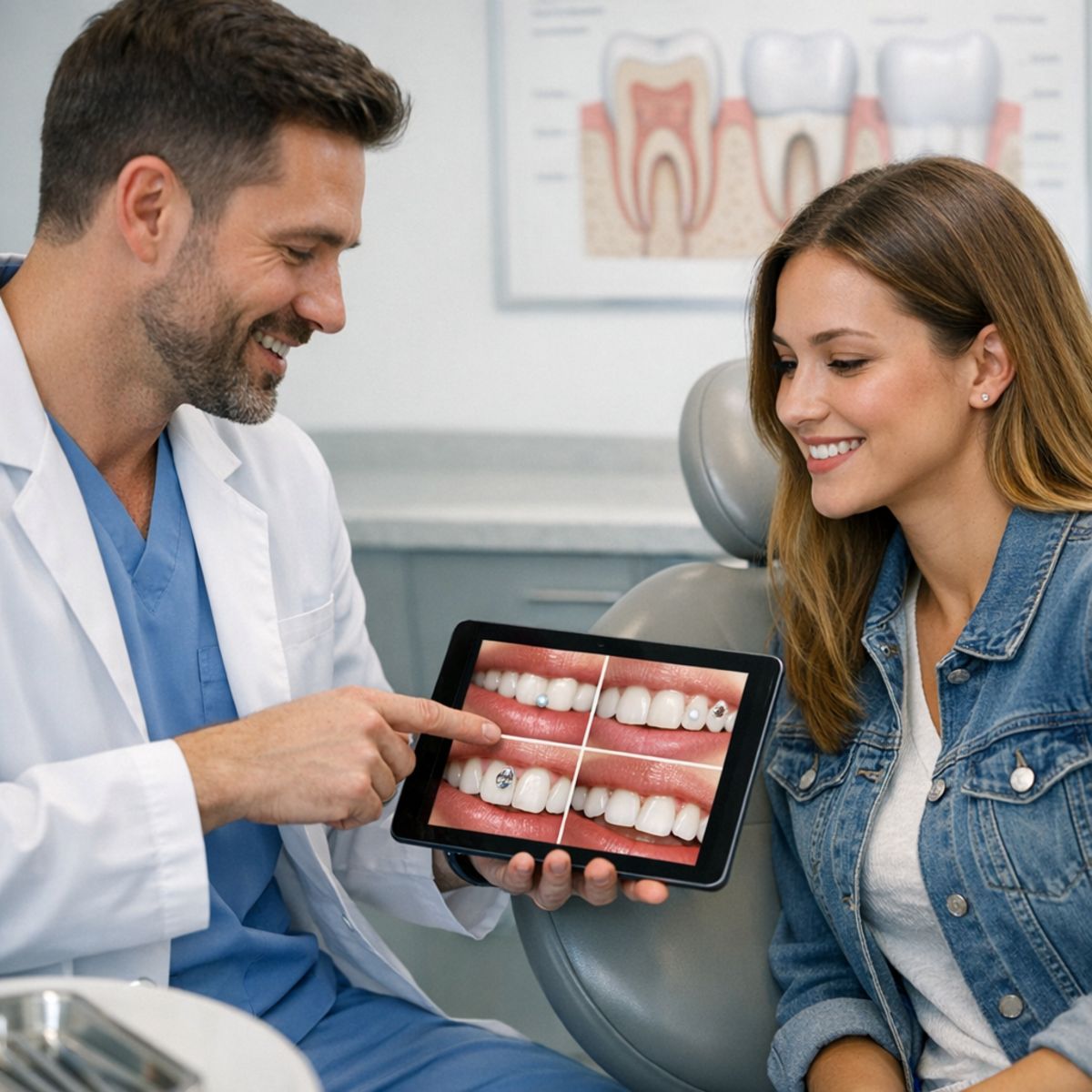
People may be drawn to tooth gems and other jewel-inspired smile enhancements for many reasons, including self-expression, trend appeal, and the desire for a small visual change without committing to a more dramatic cosmetic procedure. For some, a subtle sparkle can feel like a personalized detail that reflects individual style. Preferences are highly personal, and what feels appealing to one person may not suit another.
Aesthetic appeal and personal style
These decorative options can offer a way to customize a smile in a limited, design-focused way. Some choices may be less invasive than major cosmetic changes, but that depends on the material used, how it is placed, and the condition of the tooth. The visual benefit is never guaranteed, and long-term satisfaction can vary based on personal taste, maintenance, and how the enhancement wears over time.
Why dental health still comes first
Even small cosmetic additions should not compromise enamel, bite, or daily hygiene. A dentist may need to evaluate enamel strength, gum health, and whether the placement could trap plaque or interfere with cleaning. If a tooth is already weakened or damaged, decorative treatment may not be the best starting point, and restorative dentistry options for damaged teeth may be more appropriate. Informed decisions usually start with oral health first and appearance second.
How Jewel Teeth Are Typically Applied
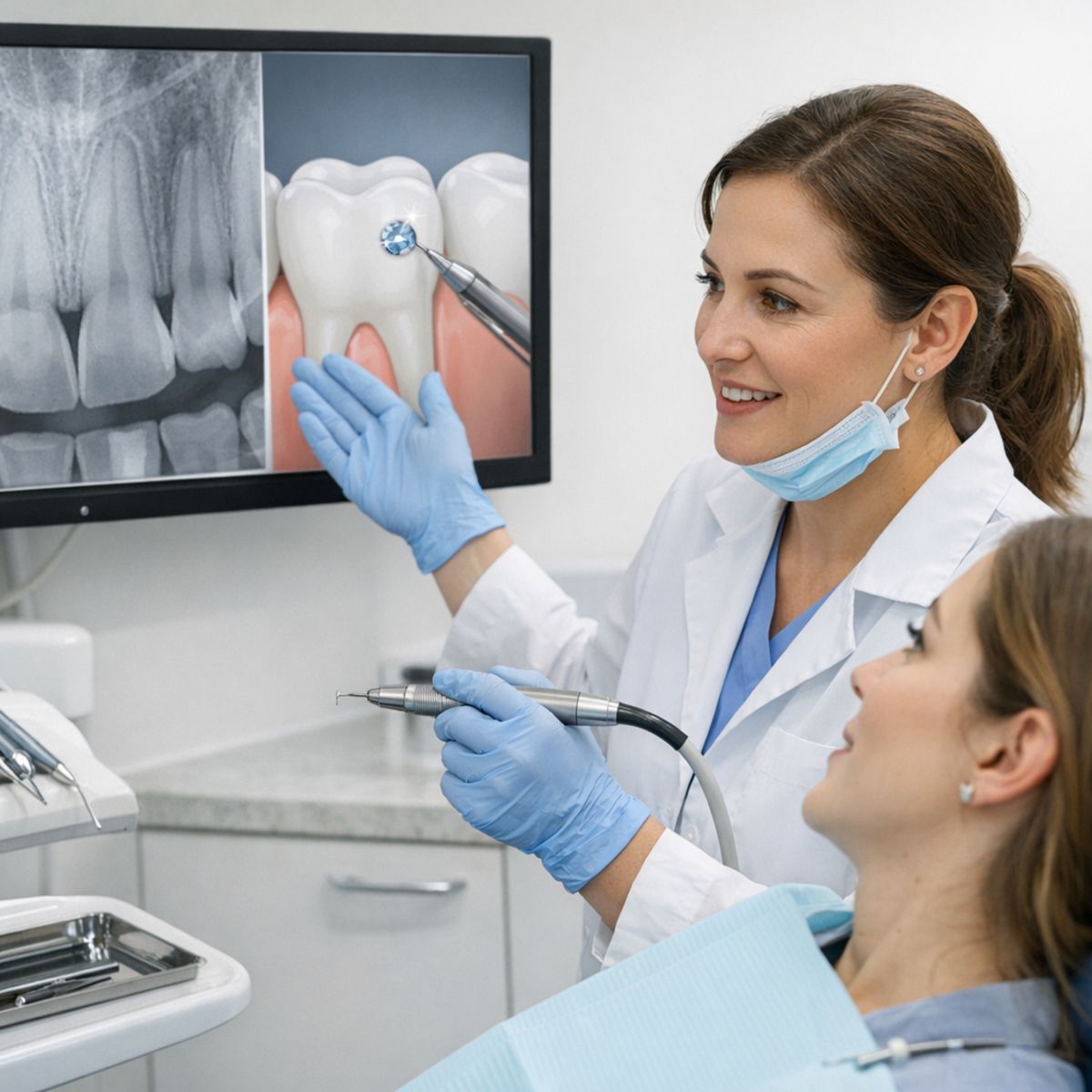
Decorative tooth gems are usually applied in a clinical setting as a cosmetic service, not as a do-it-yourself project. While the exact approach can vary, the process generally starts with an evaluation, moves to careful surface preparation and bonding, and ends with aftercare guidance. In some cases, more than one visit may be needed depending on your oral health, the condition of the tooth, and your cosmetic goals.
A professional evaluation matters because not every tooth surface is a good candidate. A dentist may look at enamel quality, existing dental work, bite patterns, and hygiene habits before recommending any cosmetic addition. This kind of assessment is similar to how dentists consider materials and tooth conditions in other restorative decisions, such as this metal crowns vs zirconia crowns guide.
Step 1: Consultation and smile assessment
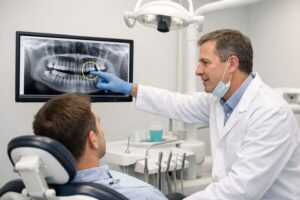
The first step is usually a consultation. A dentist may review the tooth you have in mind, check for signs of wear or damage, and note whether there are fillings, veneers, or other restorations present. They may also consider gum health and daily oral hygiene. Online photos and general descriptions are not enough to determine whether placement is appropriate, so an in-person assessment is important for setting safe, realistic expectations.
Step 2: Surface preparation and bonding
If the tooth is considered suitable, the surface is typically cleaned and prepared so the decorative gem can bond properly. The gem is then positioned and secured using dental materials designed for the mouth, followed by curing or setting. The exact products and techniques should be left to trained professionals. DIY kits can increase the risk of enamel damage, weak attachment, irritation, or hygiene problems if the gem traps plaque or is placed incorrectly.
Step 3: Aftercare and monitoring
After placement, patients are usually advised to keep up with gentle brushing and flossing, avoid habits that could loosen the gem, and monitor the area for any roughness, sensitivity, or changes in the tooth surface. Results can vary, and maintenance matters. If the gem feels loose, causes discomfort, or you notice damage, it is best to return for evaluation rather than trying to remove or reattach it at home.
Tooth Gems vs Crowns, Veneers, and Other Smile Options
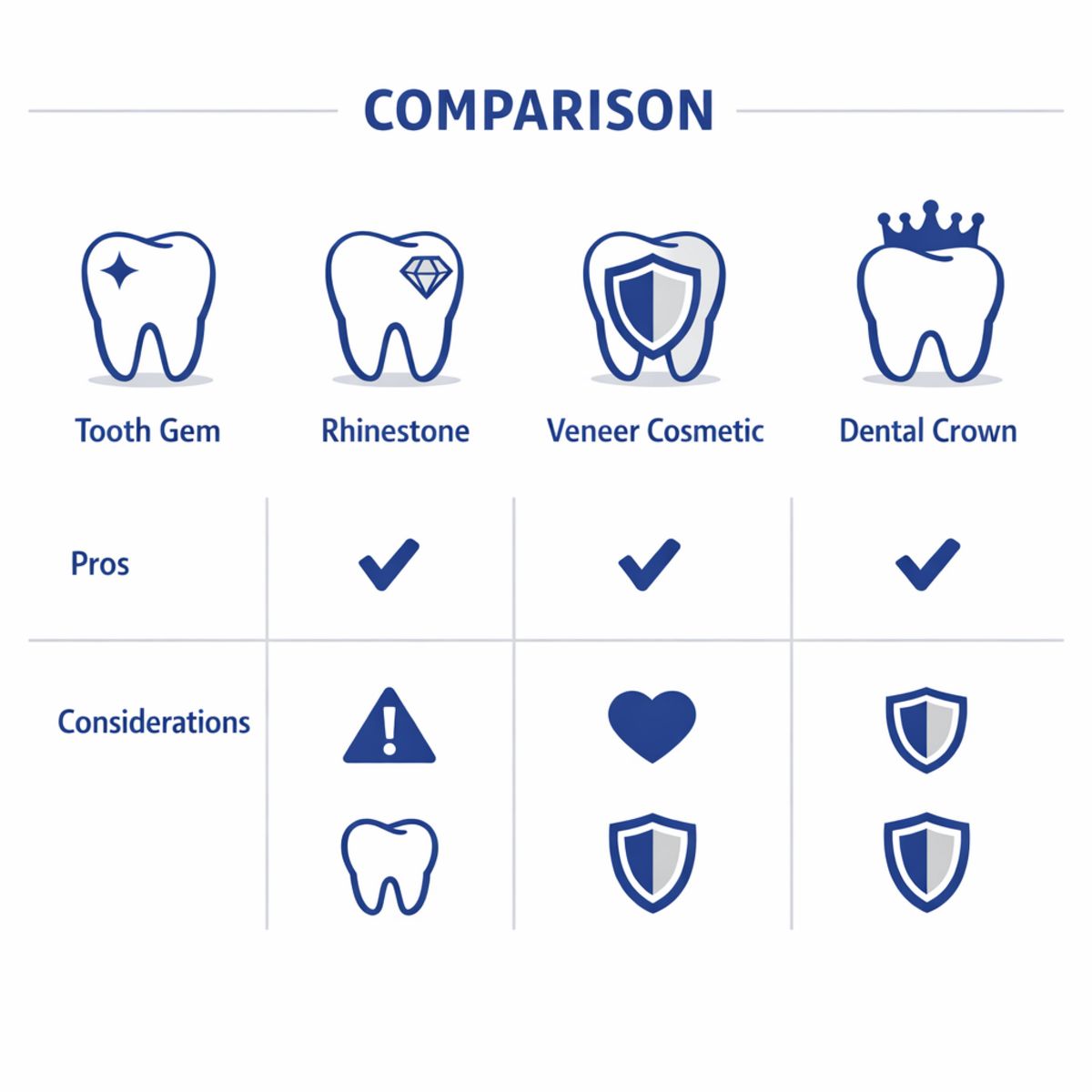
Tooth gems, veneers, and crowns may all change how a smile looks, but they serve very different purposes. A tooth gem is a decorative add-on placed on the surface of a tooth. It is not designed to repair damage, improve bite function, or strengthen enamel. Veneers are thin cosmetic coverings used to change the visible front surface of teeth, usually for shape, color, or minor alignment concerns. Crowns are restorative coverings that help protect and rebuild a tooth when it is weakened, broken, heavily filled, or structurally compromised.
Decorative enhancement vs structural restoration
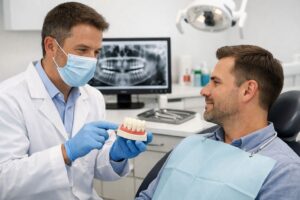
If someone wants sparkle or a temporary style statement, a tooth gem may fit that cosmetic goal. If a tooth needs support, however, decoration is not a substitute for treatment. In those cases, crowns or other restorative options may be more appropriate because they are intended to restore strength, shape, and function. Veneers sit somewhere in between: they are cosmetic, but they involve a more planned dental procedure than a gem and are not used simply as jewelry. Patients comparing smile options may benefit from learning more about restorative dentistry for stronger smile support when the concern is damage rather than appearance alone.
Understanding zirconia crown terminology
Searches sometimes mix decorative and restorative terms, which is why phrases like “zirconia metal crown” can be confusing. Zirconia itself is a tooth-colored ceramic material, not a jewel and not typically described as a metal crown. Dentists may discuss categories such as monolithic zirconia, layered zirconia crowns, or porcelain fused zirconia crowns. These terms refer to how a crown is made and how it balances strength and esthetics. They are restorative material concepts, not decorative accessories like tooth gems.
The right choice depends on the condition of the tooth, the desired result, and oral health needs. A healthy tooth being decorated is a different situation from a tooth that needs protection or rebuilding. That distinction helps readers compare options more accurately without assuming one treatment is right for everyone.
What Affects the Cost of Jewel Teeth Options?
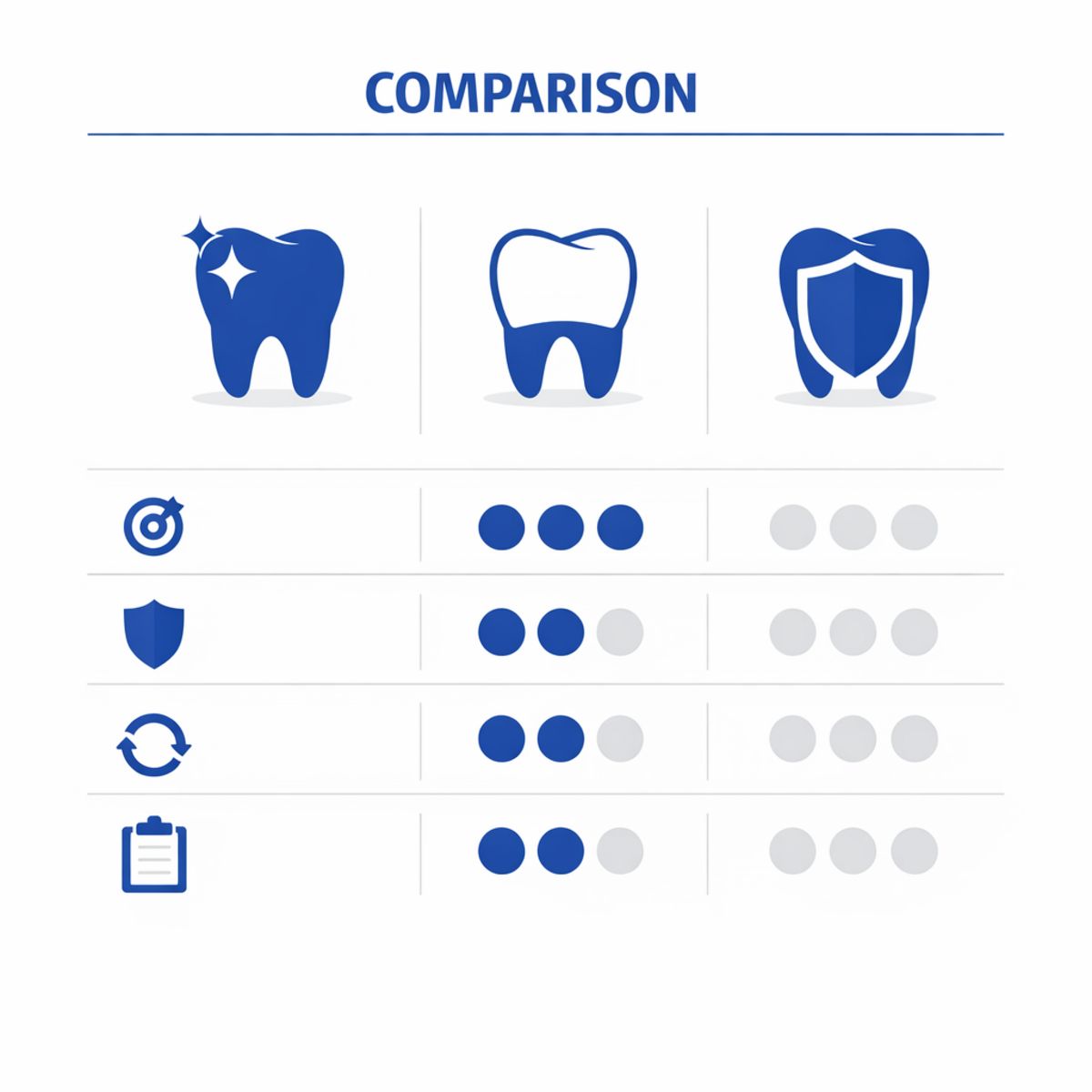
The cost of jewel teeth options can vary based on several clinical and cosmetic factors, so recommendations are usually personalized rather than one-size-fits-all. In general, the final approach depends on the materials selected, how many teeth are involved, the complexity of placement, and the experience of the provider performing the work. Another important consideration is whether the goal is purely decorative or whether restorative treatment is needed first to support oral health and long-term function.
Main factors that influence cost
Simple decorative bonding may involve different planning than treatments such as crowns or veneers. Restorative options often require more detailed preparation, design, and lab coordination, which can affect the overall scope of care. If a tooth needs repair, reshaping, or other foundational treatment before a jewel detail is added, that can also change the recommendation.
Because treatment plans vary, exact pricing is best discussed after an in-person evaluation. Patients who want to understand related coverage questions may also find it helpful to compare dental insurance for crown coverage when reviewing broader restorative care considerations.
Safety, Risks, and Oral Care Tips for Jewel Teeth
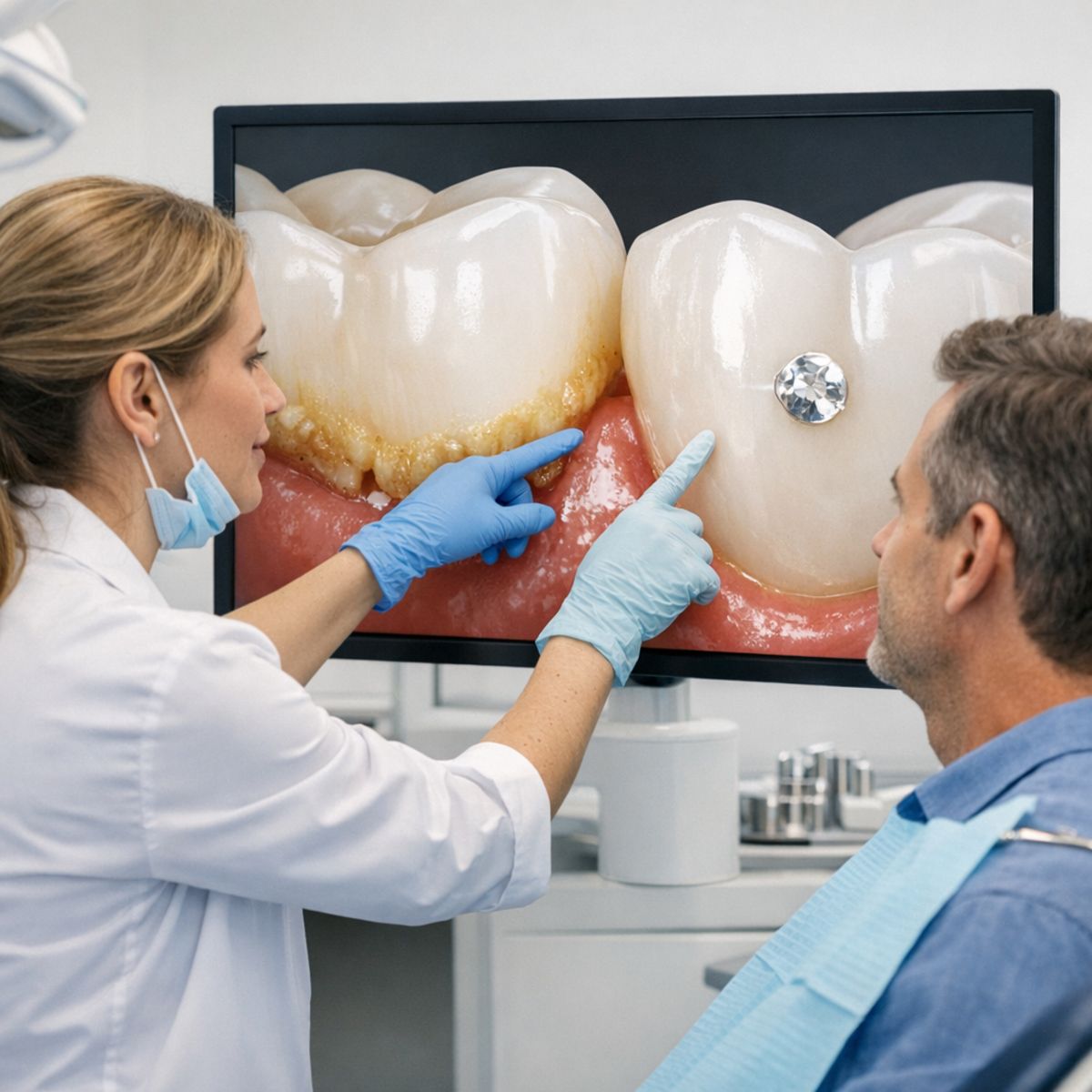
Jewel teeth are generally considered a cosmetic add-on, but safety depends on the condition of the tooth, the materials used, and how carefully the gem is placed and maintained. Possible concerns can include plaque buildup around the gem, gum irritation, a rough feeling, trapped food, or loosening over time. There may also be a higher risk of enamel damage if a gem is poorly bonded or removed incorrectly.
Common concerns to watch for
Pay attention if the gem starts to feel sharp, catches floss, or seems to create a spot where debris collects. Extra caution is important if the tooth is already cracked, sensitive, filled, crowned, or otherwise restored, since not every tooth is a good candidate. Individual outcomes can vary based on your dental health and bite. If you are already dealing with other tooth concerns, you can learn more about molar tooth problems and how structural issues may affect comfort and care.
When to ask a dentist for help
It is best to schedule an in-person dental evaluation if a gem feels loose, rough, causes discomfort, traps food, or if you are unsure whether a tooth is suitable. A dentist can check the surface, surrounding gum tissue, and any existing dental work without guessing from symptoms online. For daily care, use gentle brushing, clean carefully around the gem, and keep up with regular dental checkups to help protect enamel and oral hygiene. Avoid DIY placement or removal, since self-treatment can increase the chance of damage.
Frequently Asked Questions About Jewel Teeth
Quick answers
Are jewel teeth the same as tooth gems?
Usually, yes. People often use “jewel teeth” and “tooth gems” to describe small decorative stones or crystals bonded to the tooth surface. The exact material and application method can vary by provider.
Can a rhinestone on teeth damage enamel?
A professionally placed gem is typically attached with dental bonding material rather than drilling into the tooth. Risk may increase if it is applied incorrectly, picked at, or removed without proper technique, so a dental consultation is the safest approach.
How long do gems on teeth usually last?
Longevity varies based on placement, bite pressure, oral habits, and the material used. Some last for months, while others may stay in place longer with good care and regular dental check-ins.
Can you put a tooth gem on a crown or veneer?
Sometimes, but it depends on the type, condition, and surface of the restoration. Crowns and veneers do not bond the same way as natural enamel, so suitability should be assessed individually by a dental professional.
Are zirconia crowns used for decoration or restoration?
Zirconia crowns are primarily restorative, not decorative. They are designed to rebuild and protect damaged teeth, although appearance is also an important part of treatment planning.
What should you do if a tooth gem feels loose or uncomfortable?
Do not try to reattach, adjust, or remove it yourself. Contact a dental professional promptly so the tooth and surrounding tissues can be checked and the gem can be safely managed if needed.
When a Dental Consultation Makes Sense
If you are thinking about jewel teeth, a dental consultation can help you make an informed choice based on your smile goals and oral health. A dentist can evaluate your enamel, check for existing fillings, veneers, or crowns, and explain whether decorative options are appropriate or if it may be better to explore restorative dentistry treatment options. This kind of personalized guidance can help you understand what fits your needs comfortably and safely.
Get personalized guidance
If you would like professional input before making a decision, we invite you to schedule a consultation for recommendations tailored to your dental health and cosmetic preferences.
Final Thoughts on Jewel Teeth
Jewel teeth can refer either to decorative tooth gems or to jewel-inspired restorative aesthetics, and that distinction matters when weighing your options. The best choice depends on your oral health, your goals, and a professional evaluation of what is appropriate for your smile.
A balanced approach to smile sparkle
If you are considering a brighter, more personalized look, a thoughtful approach is the safest one. Focus on long-term dental health, ask clear questions, and make decisions based on expert guidance rather than pressure. With the right information, you can move forward feeling informed, realistic, and confident about your next step.