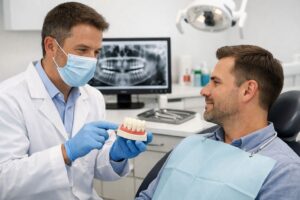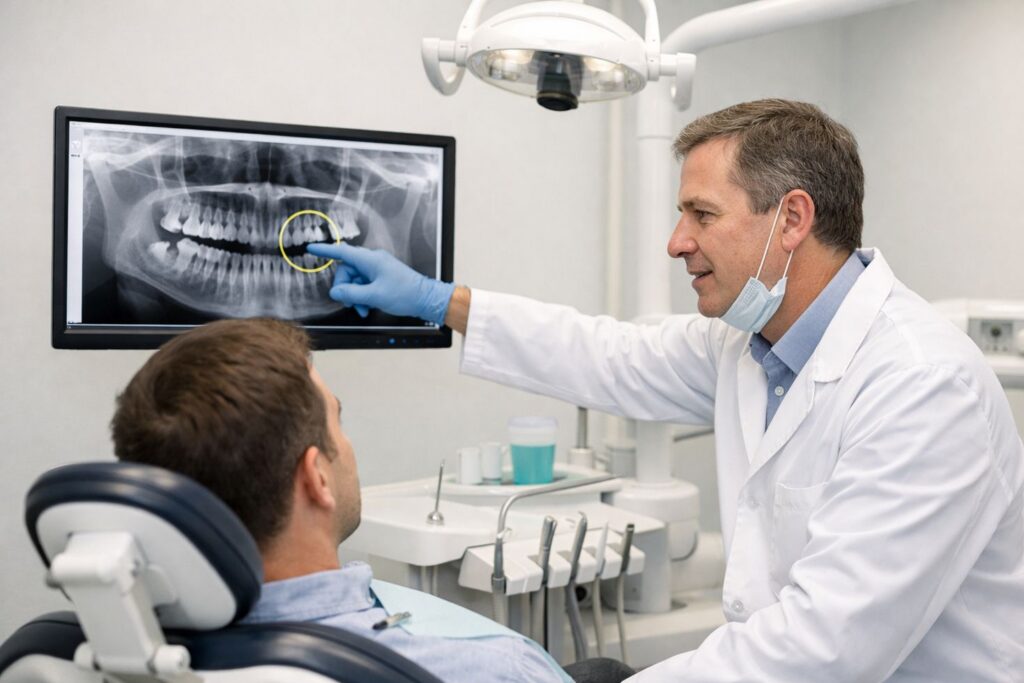

A bad tooth is a common, non-medical way people describe a tooth that feels painful, looks discolored, seems damaged, or may be infected. That can include anything from sensitivity and a visible chip to swelling, deep decay, or lingering pain when you bite down. While the phrase is broad, the key point is that tooth problems can have different causes, and the right treatment depends on what is actually going on.
Some dental issues start small and are easier to treat early, but they can become more uncomfortable or more complex if ignored. A problem that seems minor at first may eventually need more involved care. At the same time, symptoms alone do not confirm a diagnosis, so it is best to think of them as signs that a tooth should be evaluated rather than proof of one specific condition.
This guide explains what people often mean by a bad tooth, common warning signs, possible causes, and typical treatment paths. Depending on the cause, care may range from a filling to a crown or root canal treatment. If symptoms persist, worsen, or keep coming back, timely professional evaluation is the safest next step.
Why people say “bad tooth”
People often use this phrase as a simple way to describe a tooth that hurts, looks damaged, feels unusually sensitive, or seems unhealthy. It is a general description, not a diagnosis, which is why an exam matters if the issue does not resolve.
What this guide covers
Below, you will find practical information on symptoms to notice, common causes, treatment options, and when it makes sense to seek dental care sooner rather than later.
Common Signs a Tooth May Be in Trouble
A tooth problem can show up in different ways, and symptoms do not always match the seriousness of the issue. Some people notice obvious discomfort right away, while others have very little pain at first. Paying attention to changes in how a tooth feels or looks can help you know when it is time to schedule an exam.
Pain, pressure, and sensitivity
Common warning signs include sharp pain, a dull ache, throbbing, or pressure around one tooth. You may also notice pain when biting down or chewing. Lingering sensitivity to hot drinks, cold foods, or sweets can also suggest that a tooth needs attention. In some cases, discomfort may come and go, which can make it easy to ignore even though the problem has not gone away.
Visible changes in the tooth or gums
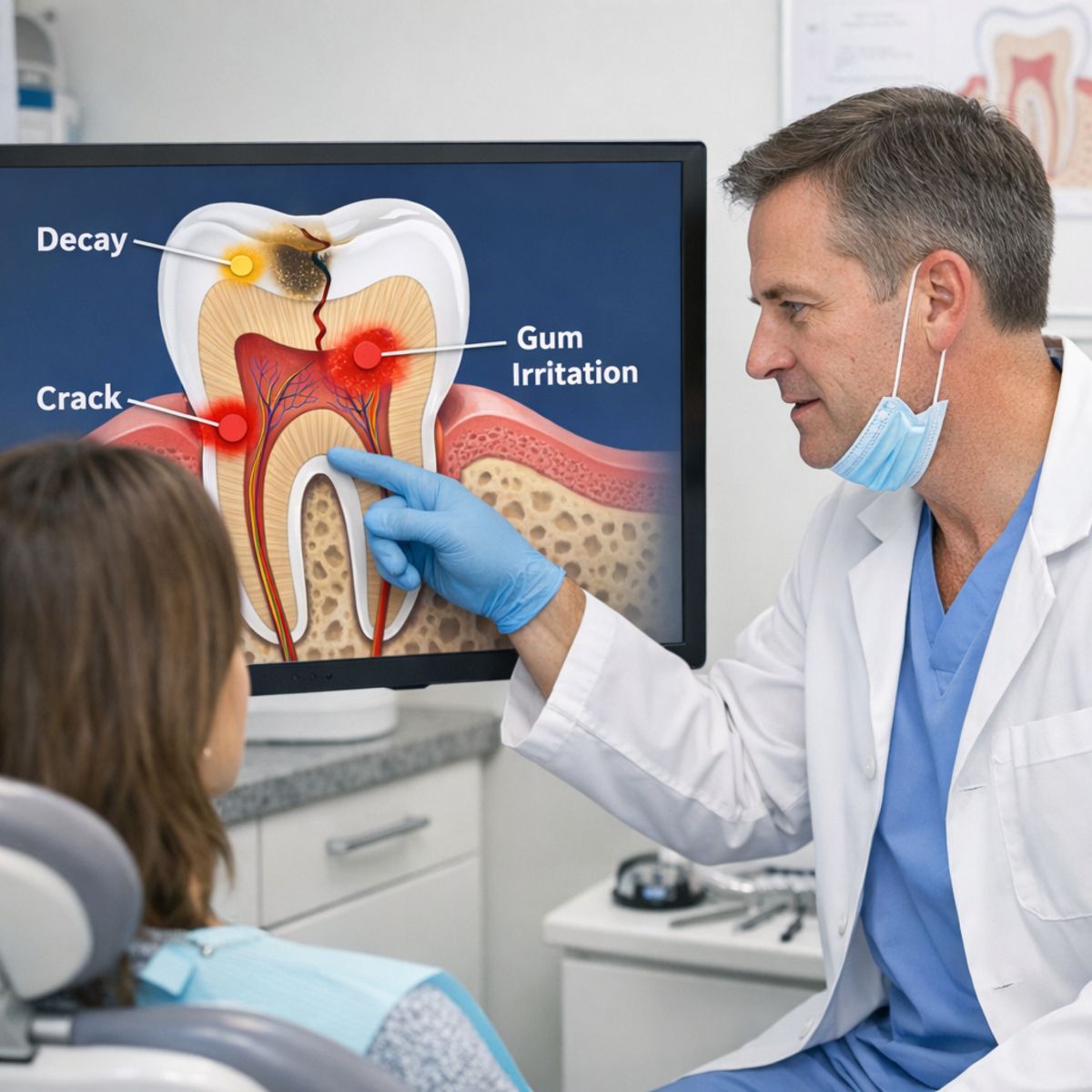
Changes you can see are also important. These may include dark spots, discoloration, a visible hole, a chipped edge, or a crack. The gums around the tooth may look red, swollen, or tender. Some people notice a bad taste in the mouth or drainage near the gumline. If you want to learn more about back-tooth concerns specifically, read about molar teeth problems and warning signs.
When symptoms may be more urgent
More urgent concerns can include severe or worsening pain, facial swelling, fever, or a persistent bad taste. These can be signs of tooth infection and should be evaluated promptly. A tooth with abscess may also involve swelling, pressure, or drainage. Even mild symptoms deserve attention if they linger, because some serious dental issues can progress quietly before becoming more painful.
Why Early Dental Care Matters
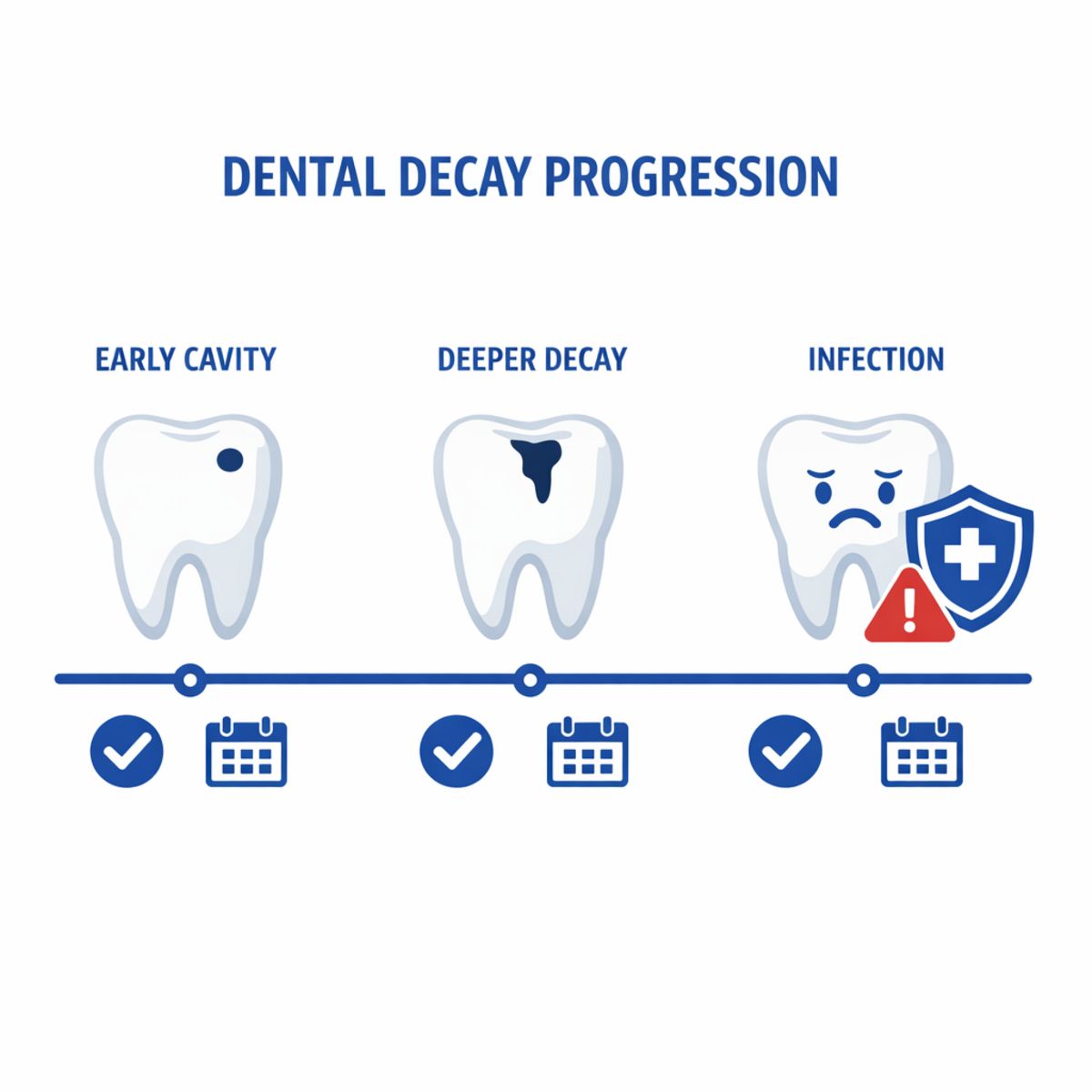
Addressing a bad tooth early can make a meaningful difference in how the problem is managed. In some cases, prompt care may help preserve more of the natural tooth structure and reduce the chance that decay or irritation progresses deeper. That can be important when the goal is to keep treatment as conservative and predictable as possible.
Protecting the tooth whenever possible
When concerns are evaluated sooner, a dentist may be able to recommend a simpler approach based on what is happening now rather than after the tooth has weakened further. Early attention can also support clearer planning for next steps, whether that means monitoring, repairing damage, or exploring restorative dentistry options for damaged teeth.
Helping prevent bigger problems
A small cavity, crack, or area of sensitivity does not always stay the same. Over time, untreated issues can sometimes lead to deeper decay, infection, discomfort, or structural damage that may be more involved to address. Seeking care early may help reduce escalation and support a smoother recovery plan, while keeping the focus on tooth preservation whenever possible.
What Causes a Bad Tooth?
A bad tooth can develop for several reasons, and the cause is not always obvious from symptoms alone. In many cases, problems begin on the outside of the tooth and gradually move deeper. Understanding the common causes can help explain why a tooth may feel sensitive, painful, loose, or difficult to chew on, but a dental exam is still important to confirm what is happening.
Decay and cavities
One of the most common causes is tooth decay. Plaque bacteria feed on sugars and produce acids that slowly weaken enamel, the hard outer layer of the tooth. Over time, this damage can create a tooth cavity. If the cavity is not treated, decay can spread into deeper layers of the tooth, making sensitivity and pain more likely. What starts as a small area of enamel breakdown can become a larger structural problem if ignored.
Cracks, chips, and wear
Not every bad tooth is caused by decay alone. Teeth can also be damaged by trauma, biting hard foods, sports injuries, or everyday habits like clenching and grinding. Small cracks or chips may expose weaker parts of the tooth or make chewing uncomfortable. Worn fillings, old dental work, and gum recession can also leave areas of the tooth less protected. In some cases, long-term wear gradually weakens the tooth until symptoms become harder to ignore.
When the inner tooth becomes inflamed or infected
If bacteria move past the outer layers and reach the inner tooth, the pulp can become inflamed or infected. This is more likely when decay becomes deep, a crack extends inward, or older dental work no longer seals the tooth well. At this stage, symptoms may include stronger pain, lingering sensitivity, pressure, or swelling. When infection affects the inner tooth, treatment may need to address the source more directly, such as root canal treatment for infected teeth, depending on the diagnosis and severity.
Treatment Options for a Bad Tooth
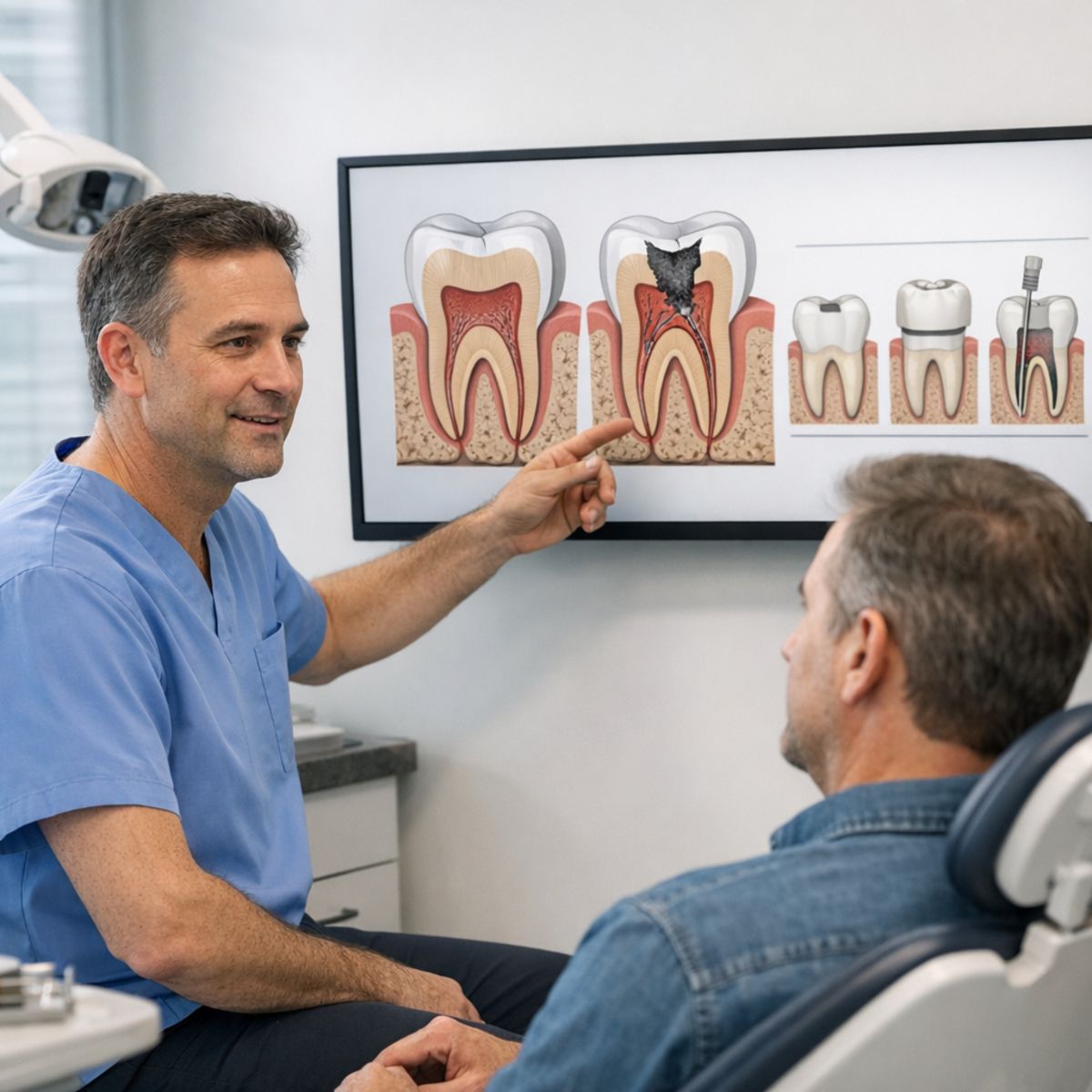
Treatment for a bad tooth depends on what is causing the problem, how much of the tooth is affected, and the condition of the surrounding gums and bone. In some cases, a dentist may recommend monitoring a small area or early wear. In others, treatment may be needed to stop decay, restore strength, or address infection. This is why two people with similar symptoms may still receive different recommendations.
Common options can include fillings, bonding, crowns, root canal treatment, and extraction when necessary. The goal is usually to preserve as much healthy tooth structure as possible while restoring comfort and function. Depending on the diagnosis, patients may also benefit from restorative dentistry treatments for damaged teeth as part of a broader care plan.
For smaller cavities or minor damage
If the problem is limited to a small cavity, minor chip, or surface wear, a filling or bonding may be enough. These treatments are often used when the tooth still has good overall strength and the damage has not reached the inner pulp. Monitoring may also be appropriate for very early changes that do not yet require active treatment.
When a crown may help protect the tooth
A crown tooth restoration may be recommended when a tooth is weakened by a large cavity, fracture, or extensive wear. A crown covers and supports the visible part of the tooth, helping restore shape, strength, and chewing function. It may also be advised after significant damage or after root canal treatment to help protect the remaining tooth structure.
When root canal treatment may be recommended
For deeper decay or injury that affects the pulp inside the tooth, root canal treatment may be suggested. If you are wondering what are root canals, the basic idea is that the infected or inflamed tissue inside the tooth is carefully cleaned out, the space is disinfected, and then sealed. This can help save a tooth that might otherwise be lost. Some cases are completed in one visit, while others may take more than one appointment depending on the tooth and the extent of the problem.
When saving the tooth may not be possible
Extraction may be considered when a tooth is too damaged to restore, has severe infection, or lacks enough healthy structure to support a repair. Even then, it is usually one option among several and depends on overall dental health, the tooth involved, and long-term treatment goals. Individual outcomes and recommendations vary, so the right approach is based on a clinical exam and diagnosis.
What to Do if You Think You Have a Bad Tooth

If you think you may have a bad tooth, the safest next step is to focus on protecting the area and arranging a dental evaluation rather than trying to diagnose the problem yourself. Pain, swelling, sensitivity, or visible damage can come from different causes, and only an exam can confirm what is going on.
1. Pay attention to the symptoms
Notice when the discomfort happens and what seems to trigger it. You may want to note whether the tooth hurts with pressure, reacts to hot or cold foods, or feels worse after sweets. Also watch for swelling, changes in gum appearance, a chipped area, or a darkened tooth. This information can help you describe the problem clearly at your visit without relying on self-diagnosis.
2. Avoid making the area worse
Try not to chew on that side if it increases discomfort. If very hot, cold, or sugary foods trigger pain, avoid them for now. Keep the area as clean as you comfortably can with gentle brushing and flossing unless a dentist has told you otherwise. If your concern is related to appearance or accessories, it may also help to review dental considerations before adding tooth jewelry.
3. Arrange a dental exam
Schedule a dental visit if you have pain, swelling, or visible damage, especially if symptoms are not improving. Prompt assessment is especially important if swelling is severe, pain is worsening, or you have a fever. A dental exam, and sometimes imaging, is the best way to identify the cause and recommend the right treatment.
Bad Tooth Questions People Often Search
A tooth with abscess may involve infection near the tooth root or along the gums, and it should be checked promptly by a dentist. While pain is common, symptoms can vary, so online information should not replace an in-person exam.
Does a tooth with abscess always hurt?
Not always. Some abscessed teeth cause severe throbbing pain, while others may feel like pressure, swelling, tenderness when biting, a bad taste, or drainage. Even milder symptoms can still point to infection and need professional evaluation.
How does a dentist decide if a root canal is needed?
Not every painful tooth needs a root canal, but some infected teeth do. A dentist typically looks at your symptoms, examines the tooth, and may take X-rays to see whether the nerve and surrounding bone are affected. If you want to learn more about root canal treatment options for deep infection, a full evaluation is the best next step.

Frequently Asked Questions About a Bad Tooth
Can a bad tooth heal on its own?
Usually, no. Damage such as cavities, cracks, or infection typically does not reverse on its own. Some symptoms may come and go, but the underlying problem can still worsen. If a tooth continues to hurt, feels sensitive, or looks damaged, it should be evaluated by a dentist.
What does a bad tooth look like?
A bad tooth may look discolored, chipped, cracked, worn down, or have a visible hole. In some cases, the gums around it may look swollen. Not every serious tooth problem is easy to see, so appearance alone cannot confirm the cause.
How do I know if I have a cavity or an infection?
Symptoms can overlap. Both may cause pain, sensitivity, or discomfort when chewing. An infection may also involve swelling, a bad taste, or more intense throbbing pain, but only a dental exam and imaging can confirm what is happening.
Does every bad tooth need a root canal?
No. Treatment depends on the extent of the damage and whether the inner pulp is affected. Some teeth may be treated with a filling, crown, or other care, while others may need root canal treatment or extraction. A dentist can recommend the most appropriate option after an exam.
Can a crown fix a bad tooth?
Sometimes. A crown may help restore and protect a tooth that is weakened, broken, or heavily decayed, depending on the underlying issue. If there is infection, severe structural damage, or too little healthy tooth remaining, other treatment may be needed first or instead.
When should I see a dental clinic for tooth pain?
You should consider prompt dental evaluation if pain lasts more than a day or two, keeps returning, worsens, or comes with swelling, fever, drainage, or pain when biting. Persistent symptoms should not be ignored, even if they temporarily improve.
When to Schedule a Dental Visit
If you have ongoing tooth pain, swelling, sensitivity, or visible damage, it may be time to have the area evaluated. A dental visit can help identify what is causing your symptoms and whether treatment is needed to protect the tooth and surrounding tissues.
During your appointment, the dental team can examine the tooth, review your concerns, and discuss treatment options based on your needs. If something does not feel right, taking the next step now can help you get clear answers and a personalized care plan.
Take the next step
If your symptoms are persistent or worsening, request an appointment to discuss the best next steps for your oral health.
The Bottom Line on a Bad Tooth
A bad tooth can develop for several reasons, including decay, damage, or infection, and the right treatment depends on what is causing the problem. In some cases, care may be as simple as a filling, while other situations may call for a crown or root canal treatment to protect the tooth and relieve discomfort.
Paying attention to symptoms like ongoing pain, sensitivity, swelling, or worsening discomfort can help you know when it is time to seek professional evaluation. Getting answers sooner often makes it easier to identify the cause and choose the most appropriate next step.
The key takeaway is simple: if a tooth does not feel right, do not ignore it. Prompt care can bring clarity, support the best possible treatment plan, and help you move forward with confidence.