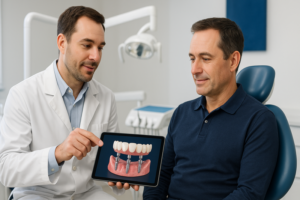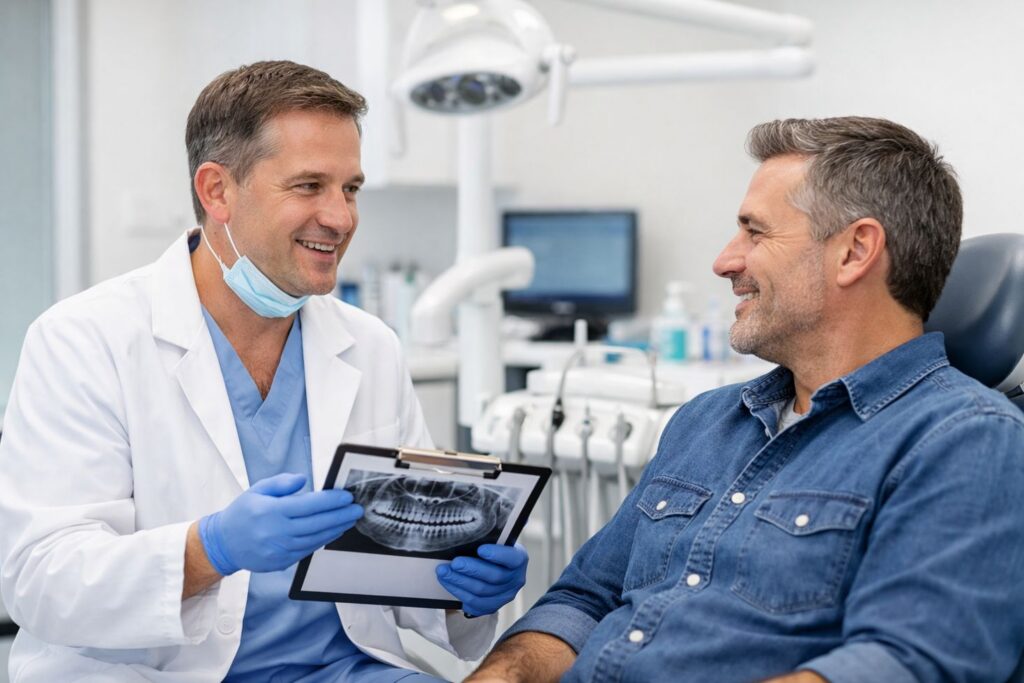

Comparing dental implants providers in Los Angeles can feel like a big decision, especially when you are trying to balance cost, credentials, and confidence in the treatment plan. It helps to know that provider selection usually involves much more than finding the lowest price. Recommendations can vary based on your oral health, bone support, the type of implant system being considered, the materials used, and the experience and training of the clinician evaluating your case.
A thoughtful comparison starts with understanding how each provider approaches diagnostics, planning, and communication. Some patients may need additional imaging, preparatory procedures, or a different timeline depending on healing needs and overall goals. That is why two consultations may not look exactly the same, even for people exploring similar treatment options in Los Angeles.
In the sections ahead, we will look at the factors that often matter most: professional credentials, the treatment process, what can influence dental implant costs, and the questions to ask before moving forward. The goal is to help you compare providers in a calm, informed way without assuming that one quote or one recommendation tells the whole story.
What matters most when choosing a provider
Focus on whether the provider explains their training, uses appropriate diagnostics, builds a clear treatment plan, discusses implant and restoration materials, addresses comfort during care, and talks openly about expected steps, timing, and fees. A clear, educational consultation can make it easier to compare options and decide what questions to ask next.
What to Look for in a Dental Implant Provider
When comparing providers for dental implants, it helps to look beyond general claims and focus on how each office evaluates your needs. Experience with both implant placement and the final restoration can matter because successful treatment often depends on how the implant, bite, gums, and replacement tooth work together. A provider should be able to explain their training, continuing education, and how they determine whether you are a good candidate without suggesting that any single credential guarantees a specific result.
Training, experience, and case planning
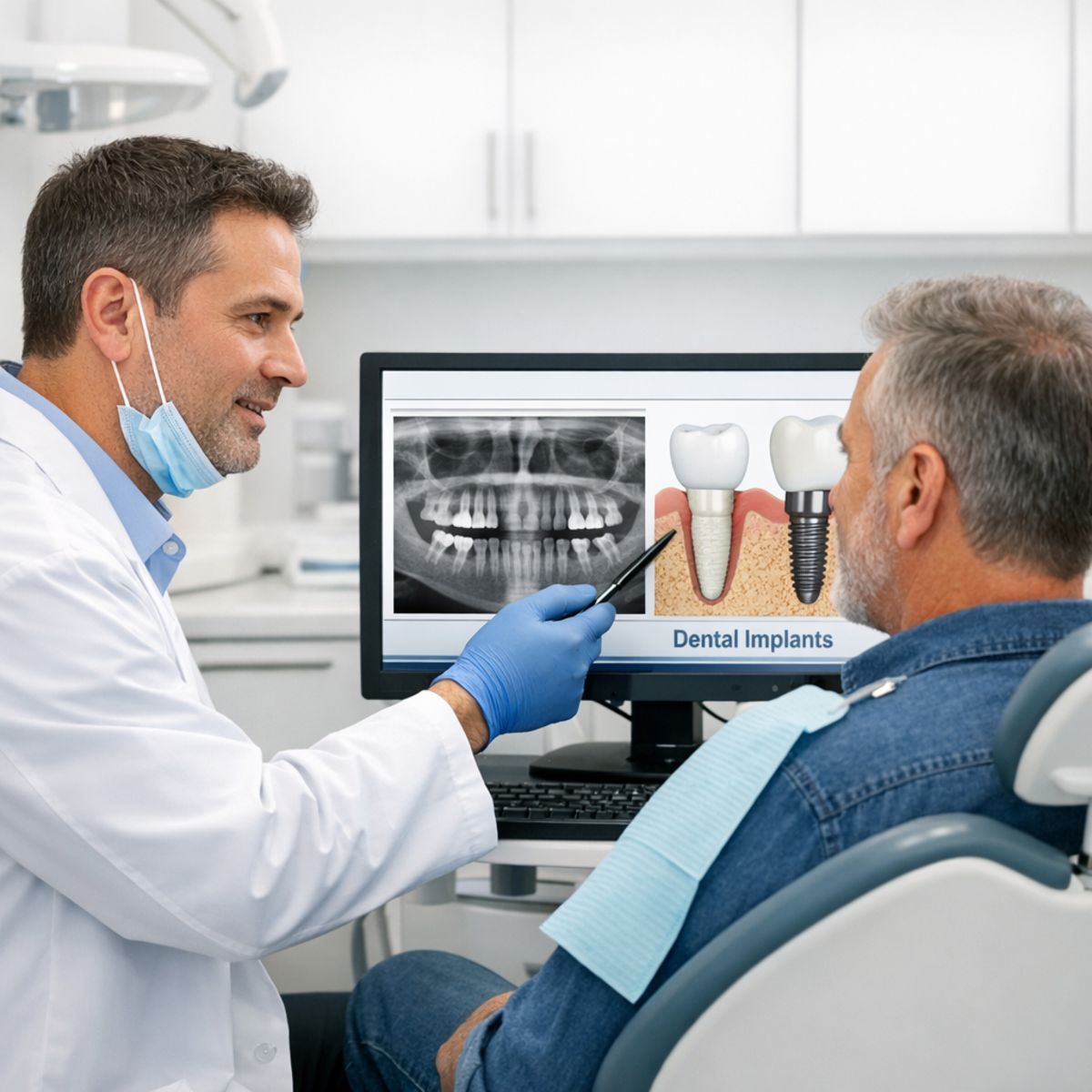
A thoughtful provider usually reviews more than just the missing tooth area. Planning may include digital imaging, bite evaluation, gum health review, and bone assessment to understand support for the implant and identify any issues that could affect healing. If you are discussing titanium dental implants, ask how the provider decides which approach fits your oral health, goals, and timeline. In some situations, treatment may also involve referrals or coordination with oral surgery options for complex cases, especially when bone volume, extraction timing, or other factors make the case more involved.
Clear communication and follow-up expectations
Good communication is another useful sign. Patients should feel comfortable asking why a recommendation is being made, what alternatives exist, how many visits may be needed, and what healing can realistically look like. Clear explanations are often more helpful than rushed recommendations. It is also worth asking about follow-up care, including check-ins, home care guidance, and how the office monitors healing and the final restoration over time. Individual outcomes depend on oral health, anatomy, and treatment needs, so a provider who sets realistic expectations can help you make a more informed decision.
How Implant Treatment Planning Usually Works
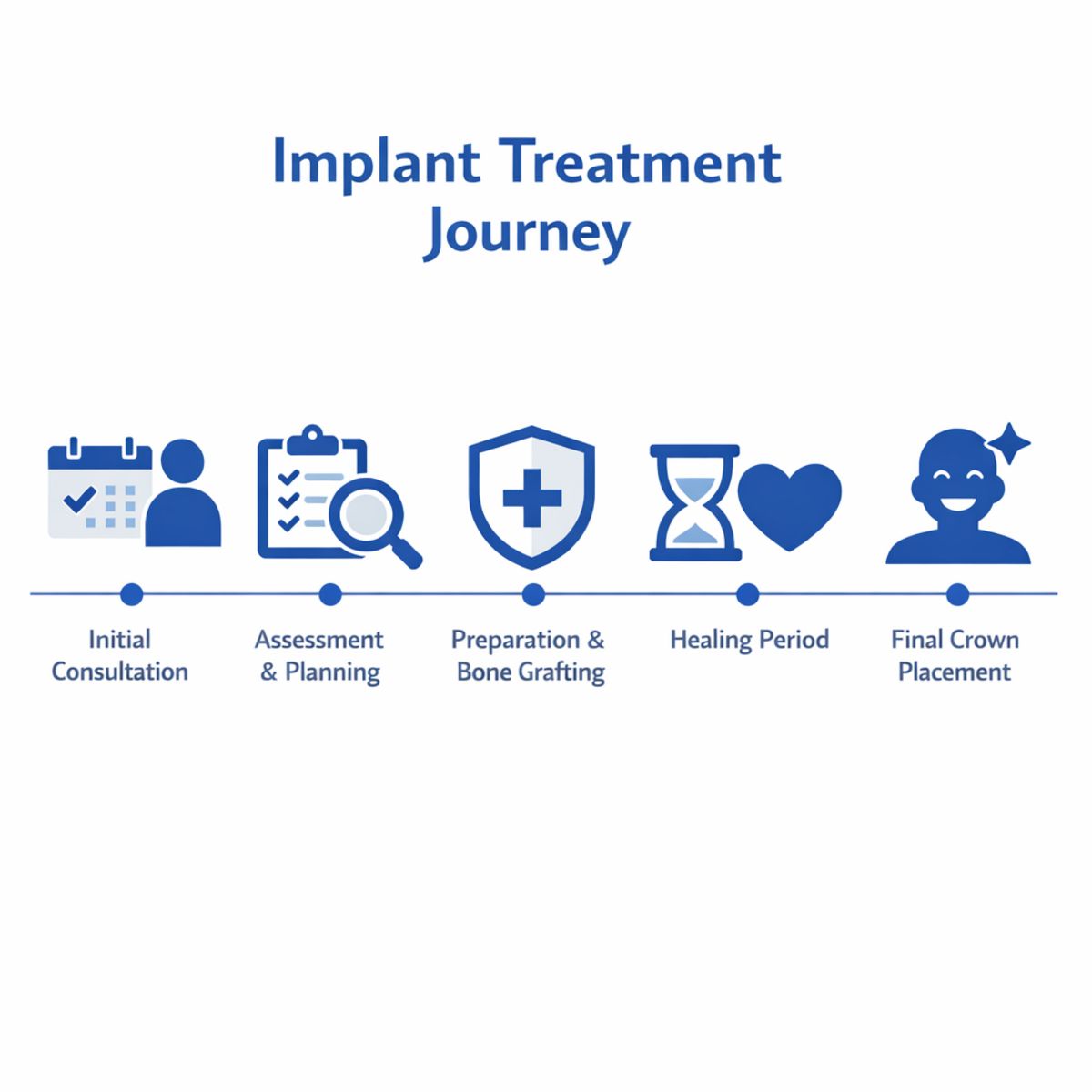
Implant care is usually planned in stages so patients can understand what happens first, what may come next, and where timing can vary. If you are comparing providers for dental implant treatment in Los Angeles, it helps to look for a clear explanation of each step rather than a one-size-fits-all promise.
Consultation and diagnostics
The process often starts with an exam, imaging, and a review of your dental and medical history. A provider may discuss your goals, check the condition of nearby teeth and gums, and evaluate bone support in the area. This is also when questions about extraction, bite alignment, and overall candidacy are usually addressed. Whether implants are appropriate should be confirmed in person, not assumed from online information alone.
Based on those findings, the office can outline a treatment plan that may include preparatory care. Some patients may need a bone graft for dental implants before or during treatment, depending on bone quality and the site being restored. This planning stage is also where discussions about the cost of tooth implant surgery may begin, since complexity can affect the overall approach.
Placement, healing, and the final tooth restoration
After planning, the implant placement procedure is scheduled if appropriate. In some cases, placement may happen after an extraction; in others, healing or grafting may come first. Once the implant is placed, a healing period is usually needed so the area can stabilize and integrate properly.
The final stage is the restoration, such as a crown, bridge, or denture attachment. Timelines vary from person to person based on healing, bone quality, and whether additional procedures are involved. A careful provider will usually explain the sequence clearly and set realistic expectations rather than giving a universal timeline.
What Affects Dental Implant Cost
Dental implant cost can vary widely because treatment plans are built around the patient’s needs, anatomy, and final restoration goals. A quick online estimate or a dental implant cost calculator may offer a rough starting point, but it cannot replace a personalized exam, imaging, and a discussion of the full treatment sequence. In many cases, surgical dental implants cost reflects only one phase of care, while the total cost dental implant surgery patients should expect may also include planning, restoration, follow-up, and any preparatory procedures.
Why one quote may differ from another
One major factor is the number of implants needed and the type of restoration being placed. A single implant crown, a bridge supported by implants, and a full-arch solution each involve different materials, lab work, and clinical steps. Titanium dental implants are commonly used, but restoration choices can also influence the overall plan and cost.
Diagnostics matter too. Some estimates include advanced imaging and detailed treatment planning from the start, while others may list those separately. Bone grafting, sinus support procedures, or sedation options if offered can also change the scope of care. This is why a lower initial quote does not always represent the same level of treatment or the same services included. Patients researching All on Four implant cost details may notice that full-arch cases often involve several moving parts beyond the implant surgery itself.
Questions to ask about an estimate
When reviewing an estimate, ask exactly what is included. Does the quoted dental implant cost cover imaging, the implant placement, the abutment, the final crown or prosthesis, and follow-up visits? Are temporary restorations included, or billed separately? If grafting is needed, is that part of the estimate or an additional charge?
It is also helpful to ask whether the surgical dental implants cost is being presented separately from the final restoration phase. In many treatment plans, surgery is only one part of the process. Understanding that distinction can make estimates easier to compare fairly and can help you avoid choosing based on price alone.
The most useful quote is one that is transparent, personalized, and based on a complete clinical evaluation rather than a generic online number.
Questions to Ask Before Choosing a Provider
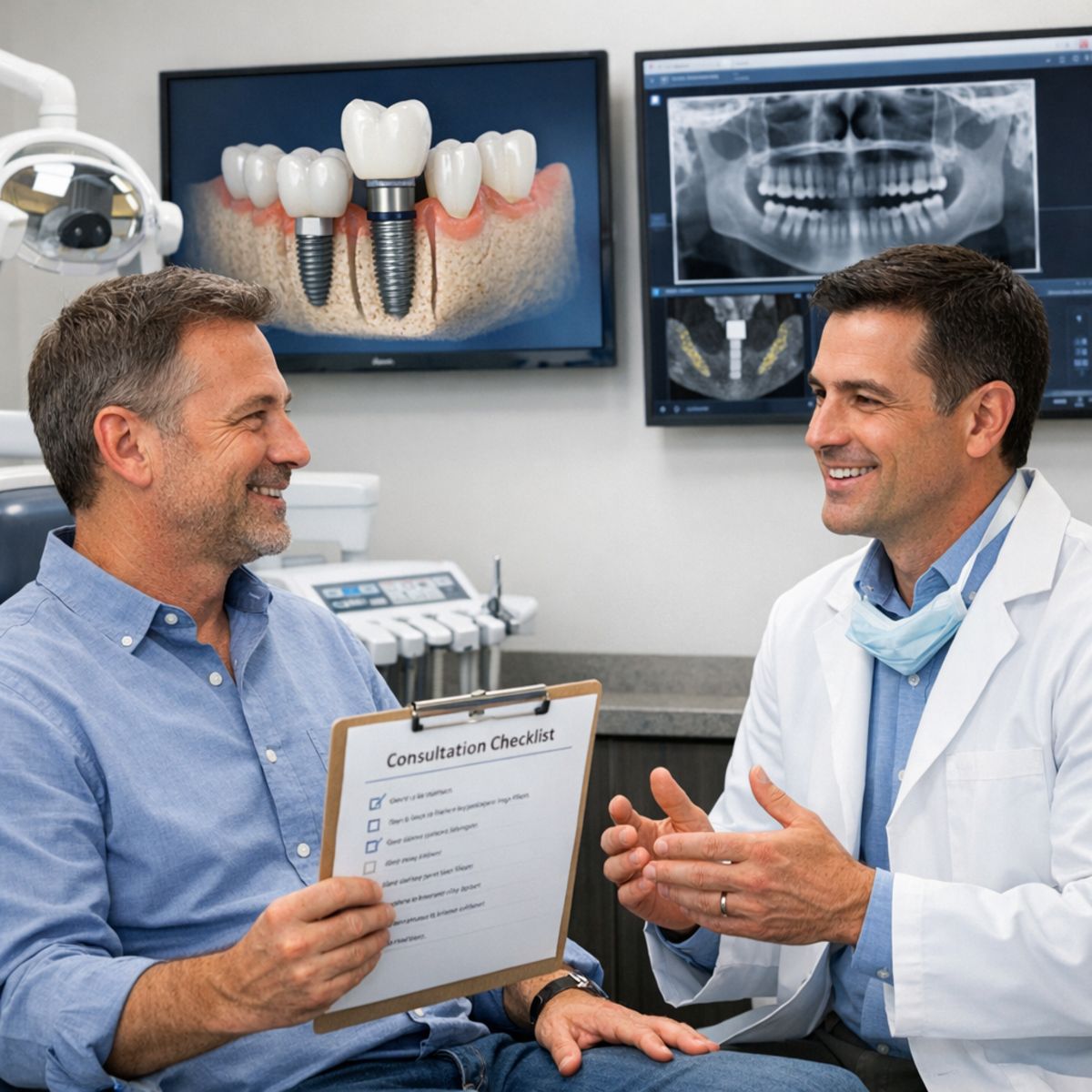
A consultation should leave you feeling informed, not rushed. If you are comparing options for dental implants, bring a short list of questions so you can better understand the process, the timeline, and what may be involved in your specific case. You can also learn about local implant care before your appointment to feel more prepared.
Clinical questions to ask
Am I a good candidate for treatment?
Ask how your overall oral health, medical history, and goals may affect candidacy.
Do I need imaging or scans?
3D imaging or other diagnostics can help evaluate bone support, anatomy, and treatment planning.
Is my bone and gum health adequate?
This helps clarify whether the area is ready for implants or whether additional preparation may be recommended.
Could I need extractions or bone grafting first?
It is helpful to understand whether supporting procedures may affect timing, healing, or cost.
What implant materials and restoration options do you use?
Ask about the implant itself as well as whether the final restoration may be a crown, bridge, or denture-based solution.
Who performs each stage of treatment?
Knowing who handles surgery, restoration, and follow-up can improve clarity and confidence.
Practical questions to ask
How many visits should I expect in total?
Ask for a step-by-step overview so you can plan around consultations, surgery, healing, and placement of the final restoration.
What is the expected healing time?
Recovery varies by case, so ask what is typical and what factors may change the timeline.
How should I care for the implant long term?
Maintenance instructions, home care, and routine follow-up visits are important for long-term support.
What does the estimate include?
Request a clear breakdown of diagnostics, procedures, restorations, and any possible additional needs.
How are complications handled if they arise?
Ask how concerns are monitored, who to contact, and what follow-up process is in place. Clear answers can support informed decision-making and trust.
Comparing Implant Options and Related Treatments
When providers discuss implant treatment, the recommendation often depends on how many teeth are missing, overall oral health, bite needs, and long-term goals. A single implant may be part of the conversation when one tooth needs replacement, while an implant-supported bridge may be considered when several teeth in the same area are missing. For broader tooth loss, full-arch options may come up as a way to support a complete upper or lower restoration.
Single-tooth and full-arch considerations
Single-tooth solutions are usually discussed differently than full-arch care because the support needs, restoration design, and treatment planning can vary. In some cases, preserving nearby teeth or improving stability across a larger area may shape whether a provider talks through individual implants, bridges, or full-arch approaches. These conversations are typically personalized rather than one-size-fits-all.
Materials and preparatory procedures
Patients may also hear about material options, including titanium dental implants and zirconia-based discussions, depending on the case and provider recommendations. If you want more background, you can read about zirconia implants in modern dentistry. In some consultations, oral surgery steps or preparatory procedures may also be reviewed before implant placement, especially if the site needs evaluation or additional support before moving forward.
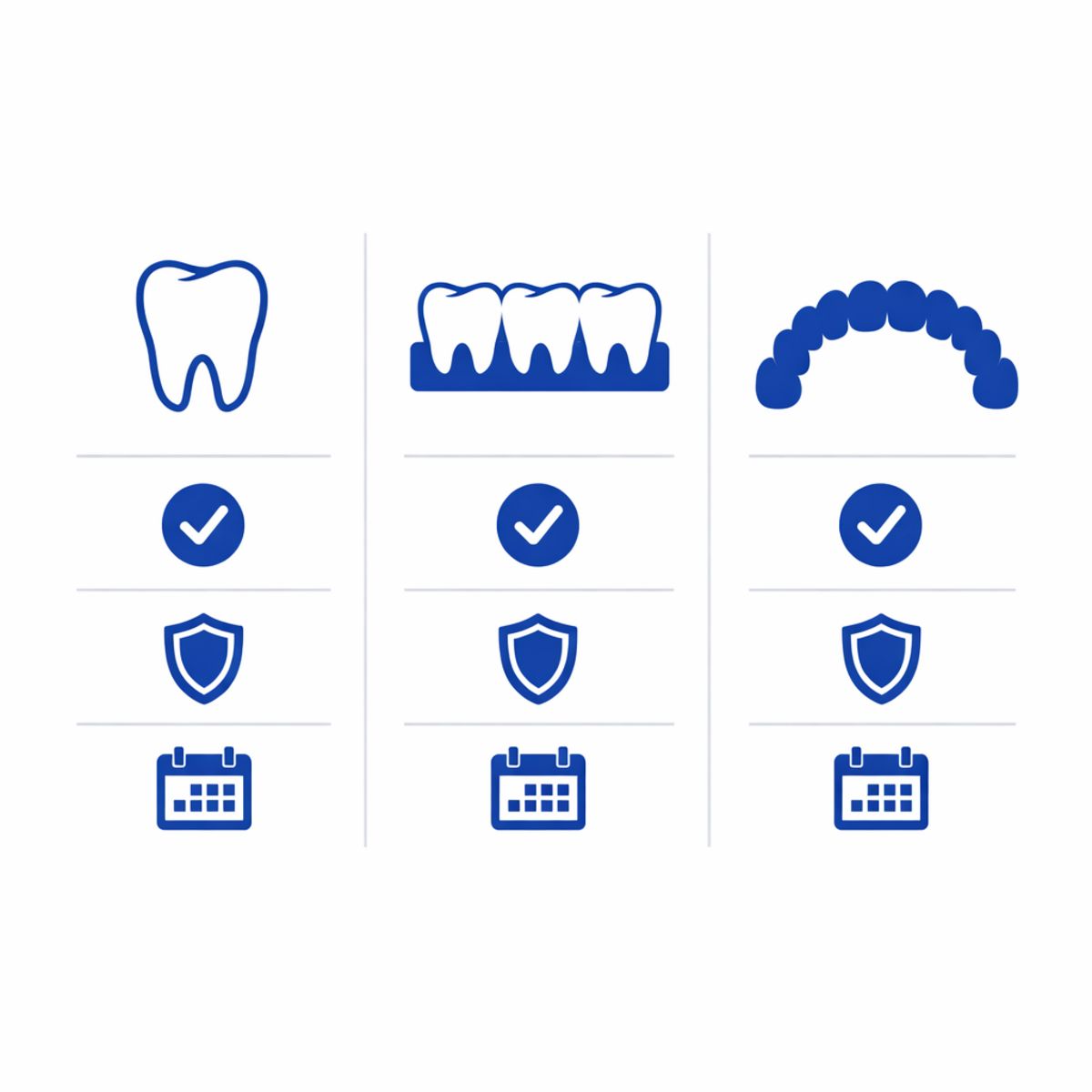
Signs of a Thoughtful Implant Consultation
Green flags patients can look for
- A careful review of imaging, with clear explanations of bone support, tooth position, and any factors that may affect timing.
- A balanced discussion of alternatives, so implants are compared with other options rather than presented as the only path.
- A realistic explanation of healing stages, including what happens before, during, and after placement.
- Straightforward cost conversations that outline expected fees, possible variables, and what may influence the final plan.
- By the end, patients in Los Angeles should understand the next steps, likely timeline, and where questions or changes could come up.
Frequently Asked Questions
Quick answers to common implant questions
How do I compare dental implants providers in Los Angeles?
Look at the provider’s training, experience with implant planning and placement, technology used, and how clearly treatment options are explained. It also helps to ask what is included in the proposed care plan, what follow-up support is offered, and whether an in-person exam is required before recommendations are made.
Why can dental implant cost vary so much between offices?
Costs can differ based on the number of implants, the type of restoration, imaging, sedation, materials, and whether added procedures are needed. Fees may also reflect the complexity of the case and what services are bundled into the treatment plan.
Do all patients need a bone graft for dental implants?
No, not every patient needs grafting. Whether it is recommended depends on bone volume, bone quality, and the location of the missing tooth, which is why an exam and imaging are important for personalized planning.
Are titanium dental implants the only option?
Titanium is widely used, but it is not the only material available. Some practices may also discuss alternatives in certain situations, and the best choice depends on clinical factors, goals, and a dentist’s evaluation.
How many visits does implant treatment usually take?
Treatment often involves multiple visits spread over time, including consultation, planning, placement, healing, and final restoration. The exact timeline varies from patient to patient, especially if extractions, grafting, or other preparatory care are part of the plan.
Can an online dental implant cost calculator give me an exact price?
No, a calculator can only provide a general estimate based on limited information. An exact quote usually requires an in-person evaluation, imaging, and a review of the materials and procedures appropriate for your specific case.
Making a Confident, Informed Choice
Choosing an implant provider often comes down to a few practical factors: experience, thorough diagnostics, clear communication, and an honest discussion about costs. The right treatment plan can vary based on your dental health, your goals, and whether any additional procedures may be recommended.
Using the checklist from this article can help you ask better questions and feel more prepared for a consultation. If you’d like personalized guidance on dental implant options in Los Angeles, schedule a consultation with Elegant Dentistry.