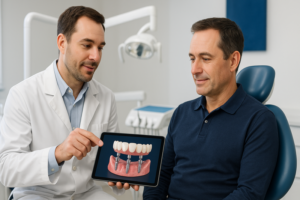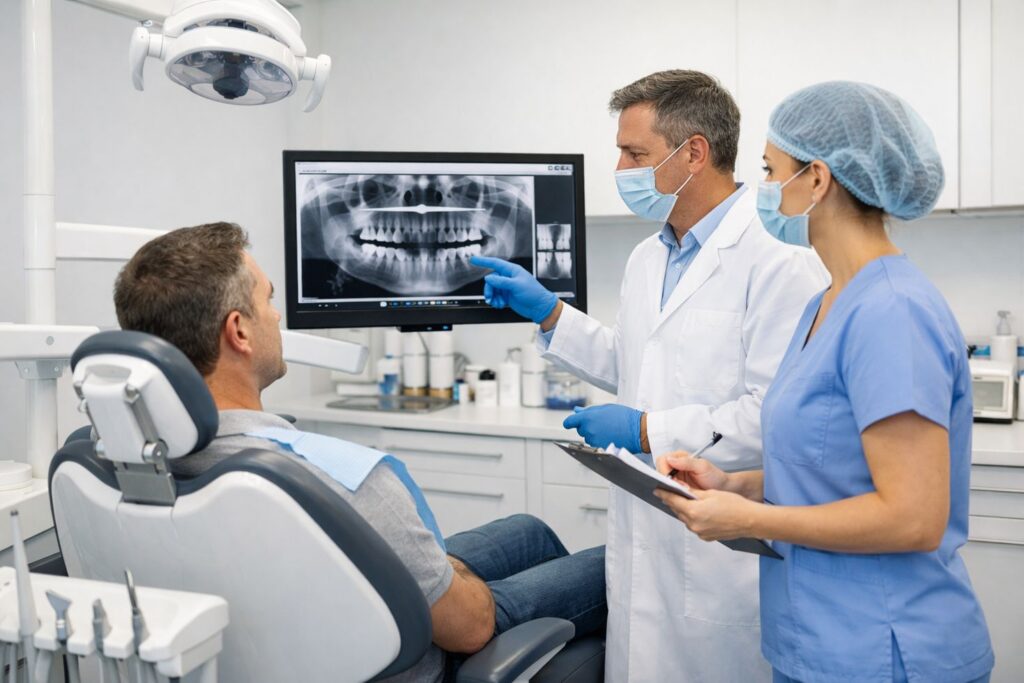

Dental teeth removal can sound intimidating, and it is completely understandable to feel uneasy if you have been told an extraction may be needed. In many cases, dentists aim to preserve natural teeth whenever possible, but removal can sometimes be the healthiest option when a tooth is badly decayed, infected, damaged, overcrowded, or affected by wisdom tooth problems. This guide is designed to give you a clear, calm overview of what to expect without replacing an in-person dental evaluation.
Below, you will learn why extractions are recommended in some situations, what the procedure generally involves, and what recovery and aftercare may look like afterward. Understanding the basics can help you feel more prepared and more confident about the questions to ask your dental professional.
Why this guide matters
If you are dealing with tooth pain, swelling, damage, crowding, or concerns about wisdom teeth, seeking an in-person assessment is the safest next step. This article also covers common questions so you can better understand causes, procedure steps, healing, and practical aftercare guidance before your visit.
What Dental Teeth Removal Means
Dental teeth removal, also called a tooth extraction, means taking a tooth out of its socket in the jawbone. A dentist or dental clinic may recommend this treatment when keeping the tooth is not the best option based on its condition, position, or how it affects nearby teeth and gums. The exact recommendation depends on what is seen during a clinical exam and on imaging such as X-rays.
Simple vs surgical extraction
A simple extraction is often used when the tooth is fully visible above the gumline and can be removed with standard dental instruments. This approach is generally more straightforward because the dentist can access the tooth directly.
A surgical extraction may be needed when a tooth is broken, impacted, or positioned in a way that makes removal more complex. In those cases, the treatment plan may involve techniques commonly associated with oral surgery to safely reach and remove the tooth.
Because every case is different, X-rays and a hands-on exam help guide planning, including whether a simple or surgical approach is more appropriate. If you want to learn more about oral surgery options for complex extractions, that can provide added context before your visit.
Common Reasons a Tooth May Need Removal
A dentist may recommend removing a tooth when keeping it is no longer the most predictable way to protect your oral health. In many cases, the goal is still to preserve the natural tooth whenever possible. Fillings, crowns, root canal therapy, and other restorative approaches are often considered first. If you are reviewing dental extraction treatment options and evaluation, the decision usually depends on the tooth’s condition, symptoms, X-rays, and the health of the surrounding bone and gums.
Severe decay and infection
Advanced tooth decay can weaken a tooth beyond predictable repair. If a cavity has destroyed too much structure, a restoration may not hold well long term. Infection is another common reason a tooth may need urgent evaluation. An abscess on teeth can sometimes be treated without extraction, but not every case is the same. A tooth with abscess may still be saved in some situations, while in others removal may be recommended if the infection is severe, the tooth is badly broken down, or support from the surrounding bone is compromised. Because symptoms alone do not confirm the right treatment, an exam is important.
Damage, crowding, and wisdom teeth
Other common reasons include trauma, gum disease, crowding, and wisdom teeth concerns. A fractured tooth may not be restorable if the crack extends too far below the gumline. Advanced periodontal disease can loosen teeth by damaging the supporting tissues. In orthodontic cases, removal may sometimes create needed space when crowding is significant. Impacted or poorly positioned wisdom teeth can also lead to pain, pressure, cleaning difficulty, or repeated irritation. Since each situation can vary, dentists typically compare the benefits of saving the tooth against the risks of leaving a damaged or problematic tooth in place.
How the Dental Teeth Removal Procedure Works

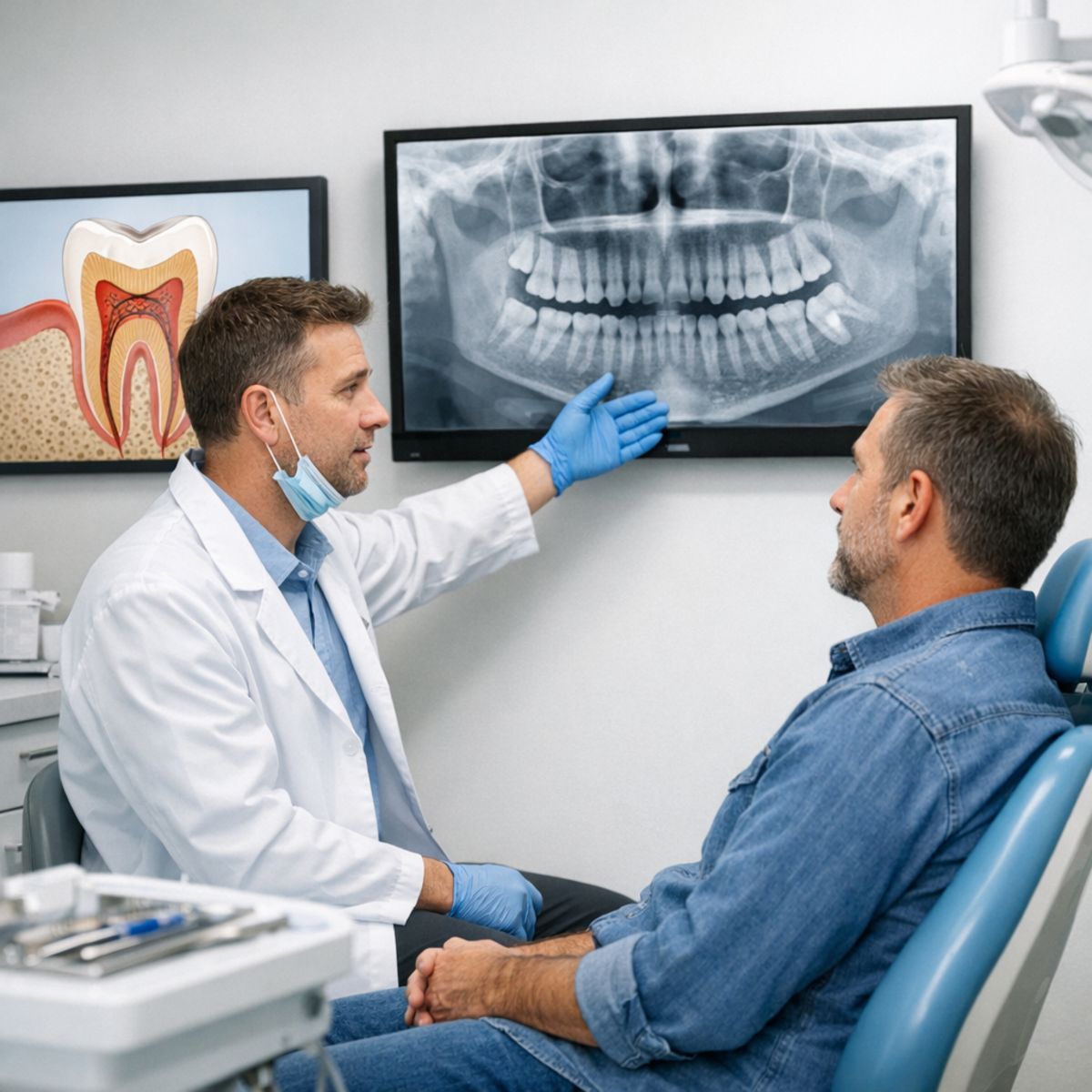
Knowing what happens during a tooth extraction can make the appointment feel much more manageable. While every case is different, most visits follow a clear, step-by-step process designed to support comfort, safety, and a smooth recovery.
Before the extraction
Your visit usually begins with an exam, a review of your symptoms, and imaging such as X-rays to help the dentist understand the position of the tooth and nearby structures. Your medical history is also important. Current medications, allergies, past reactions to anesthesia, and health conditions can all affect treatment planning. This is also the time to ask questions and discuss what type of extraction may be needed.
If the tooth is straightforward to remove, the plan may be a simple extraction. If the tooth is broken, impacted, or difficult to access, a surgical approach may be recommended. Local anesthetic is commonly used to numb the area, and some practices may discuss additional sedation options depending on the case and what they offer.
During the procedure
Once the area is numb, the dentist checks that you are comfortable before starting. In a simple extraction, the tooth is gently loosened and removed. In a surgical extraction, the dentist may need to access the tooth more directly before removing it. Patients often feel pressure or movement, but the goal is a gentle, comfort-focused experience.
The exact steps depend on the tooth, its condition, and how easy it is to reach. Some appointments are quick, while others take longer because of the tooth’s position or the complexity of the case. If you have questions about replacing a missing tooth, that conversation may happen before or after the procedure.
Right after treatment
After the tooth is removed, gauze is placed over the site to help control bleeding and support clot formation. You will receive instructions on when to change the gauze, what to expect over the first several hours, and how to care for the area at home. These instructions may include guidance on eating, drinking, activity, and oral hygiene.
Recovery can vary from person to person. Many patients do well with careful aftercare, but the dentist will explain signs to watch for and when to call the office. Having a clear plan for the first day can help you feel more prepared and confident going into treatment.
How to Care for the Area After Tooth Removal
Healing after an extraction usually goes more smoothly when you follow simple, consistent aftercare steps. While your dentist may give instructions tailored to your situation, these general habits can help protect the area, support comfort, and reduce irritation. If you want more detail on what to expect from dental extraction care, it helps to review guidance alongside your specific post-treatment instructions.
The first 24 hours
- Rest and keep activity light. Strenuous movement too soon may increase bleeding or throbbing.
- Change gauze only as instructed by your dental team, and bite gently to help control minor bleeding.
- Avoid vigorous rinsing, spitting, drinking through a straw, or smoking if your dentist has advised against it. These habits can disturb the healing area.
- Choose soft foods and stay hydrated. Cool or lukewarm options are often easier to tolerate than crunchy, spicy, or very hot foods.
- Some swelling, mild soreness, and a small amount of bleeding can be normal early on.
Days two and beyond
- Keep your mouth clean, but be gentle. Brush carefully around the area without scrubbing the site.
- If recommended by your dentist, begin gentle saltwater rinses to help keep the area clean.
- Gradually return to more normal foods as comfort allows, but avoid anything that feels irritating or gets trapped easily in the area.
- Pay attention to the overall trend. Mild discomfort should generally improve over time rather than worsen.
- Healing time varies based on your dental health, the type of extraction, and how closely aftercare instructions are followed.
Call your dental team if bleeding continues beyond what you were told to expect, pain becomes stronger instead of better, swelling keeps increasing, or you develop a fever or other concerning symptoms. General aftercare is helpful, but professional follow-up is the best next step when recovery does not seem to be progressing normally.

Cost and Insurance Considerations
The cost of a tooth extraction can vary based on the details of your case, so it is best to think in terms of the treatment involved rather than a generic online number. A straightforward extraction is often different from a surgical extraction, and wisdom teeth can add complexity depending on their position, whether they are impacted, and how many teeth need to be removed. Other factors may include diagnostic imaging, the type of anesthesia or sedation recommended, the time needed for the procedure, and whether follow-up care is expected.
What affects the overall cost
Fees may change based on whether the tooth is visible or trapped below the gums, the condition of the surrounding bone, and whether additional planning is needed before treatment. In some situations, your dentist may also discuss next steps after healing, including modern options for replacing extracted teeth. Because every mouth and treatment plan is different, a personalized estimate after an exam is usually more useful than broad pricing ranges found online.
How insurance may apply
Dental insurance wisdom teeth removal benefits can vary widely from one plan to another. Coverage may depend on plan language, waiting periods, annual maximums, exclusions, and whether the procedure meets the insurer’s criteria for medical or dental necessity. Affordable dental insurance plans can also differ significantly in what they cover for extractions, sedation, imaging, and related services. For that reason, it is wise to confirm benefits with both the dental office and your insurance company before scheduling treatment.
If you are comparing options, ask for a written treatment estimate after your exam and use it to verify benefits directly with your insurer. That step can help you better understand your expected out-of-pocket responsibility without relying on assumptions or incomplete plan summaries.
Frequently Asked Questions About Dental Teeth Removal
Common questions
How do I know if a tooth may need to be removed?
A dentist may recommend evaluation if a tooth is badly damaged, severely decayed, loose, infected, or causing crowding or pain. Only an exam and imaging can confirm whether removal is the best option.
What is the difference between a simple and surgical extraction?
A simple extraction is typically done when the tooth is visible above the gumline. A surgical extraction is used when a tooth is broken, impacted, or harder to access.
How long does it take to recover after a tooth extraction?
Initial healing often begins within a few days, but full recovery can take longer depending on the tooth, the procedure, and your overall health. Your dentist can give guidance based on your situation.
What can I eat after dental teeth removal?
Soft foods are usually easiest at first, such as yogurt, applesauce, mashed potatoes, or soup that is not too hot. Avoid hard, crunchy, spicy, or chewy foods until your mouth feels more comfortable.
When should I call a dentist after an extraction?
Call if you have worsening pain, heavy bleeding, swelling that increases instead of improves, fever, trouble swallowing, or any symptom that feels unusual. Prompt follow-up is important if recovery does not seem to be progressing normally.
Final Thoughts on Dental Teeth Removal
Dental teeth removal is sometimes the best way to protect your oral health when a tooth is badly damaged, infected, or causing ongoing problems. The right treatment depends on your exam findings, symptoms, and the condition of the tooth. When removal is recommended, careful aftercare can support healing and comfort. If you are dealing with tooth pain, swelling, or signs of infection, timely evaluation matters.
If you have concerns about a tooth and would like professional guidance, the team at Elegant Dentistry can help you understand your options.