
Best Toothpaste for Whitening of Teeth Tips – Elegant Dentistry
Understanding Toothpaste Whitening Options
If you’re searching for the best toothpaste for whitening of teeth, you’re not alone. Whitening toothpastes are popular because they’re easy to use, widely available, and fit into daily routines. Most formulas work by gently polishing away surface stains from coffee, tea, wine, or smoking rather than changing the natural color of enamel.
It’s important to set realistic expectations. Whitening toothpaste can help teeth look brighter over time, but results are typically subtle and gradual. They’re different from professional treatments or at-home kits, which use stronger bleaching agents to lift deeper stains.
Safety also matters. Many products are designed for daily use, but overuse or abrasive formulas may contribute to tooth sensitivity for some people. Claims around instant or dramatic results can be misleading; learning the facts helps you choose wisely. For a deeper look at common misconceptions, see our guide on what really works in teeth whitening.
AI overview: Whitening toothpaste primarily removes surface stains and can gradually brighten teeth, but it does not replace professional whitening. Results vary by formula, habits, and enamel sensitivity.
Table of Contents
- What Makes a Toothpaste Effective for Whitening?
- Benefits of Using Whitening Toothpaste
- Comparing Popular Whitening Toothpaste and Products
- Best Whitening Toothpaste for Sensitive Teeth
- How to Use Whitening Toothpaste Effectively
- Frequently Asked Questions About Whitening Toothpaste
- When to Consider Professional Teeth Whitening
- Choosing the Right Whitening Toothpaste for Your Smile
What Makes a Toothpaste Effective for Whitening?
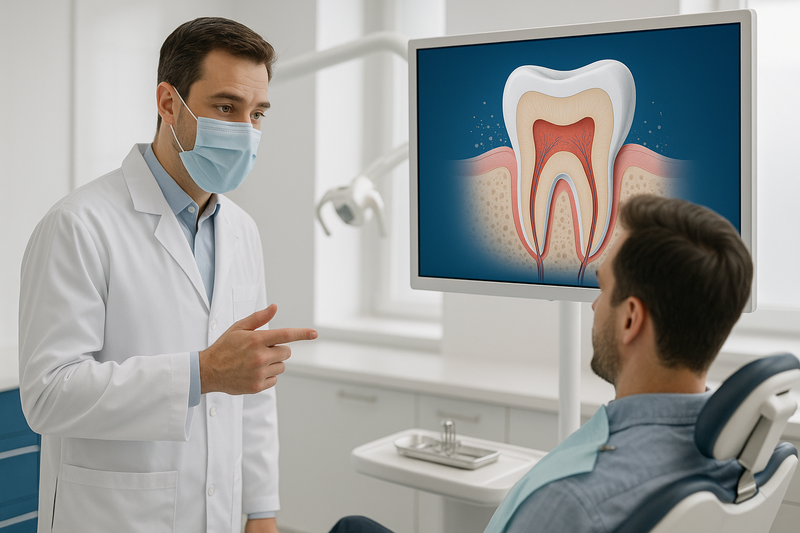
The best toothpaste for whitening of teeth works by removing surface stains and, in some formulas, gently lightening tooth color without harming enamel.
Most whitening toothpastes don’t change the natural color of teeth dramatically. Instead, they focus on lifting everyday stains from coffee, tea, wine, and smoking, which helps teeth look brighter over time.
- Stain removal: Polishes away surface discoloration on enamel.
- Active ingredients: Uses safe abrasives or low-level whitening agents.
- Consistency: Results are gradual with regular brushing.
Abrasives vs Bleaching Agents
Whitening toothpastes generally rely on two approaches: mechanical cleaning or chemical lightening.
- Abrasives (like hydrated silica) scrub away surface stains without penetrating enamel.
- Bleaching agents (such as low-dose peroxide alternatives) may slightly lighten color but are milder than in-office treatments.
This is why toothpaste results are limited compared to professional teeth whitening. Claims suggesting dramatic changes from toothpaste alone are often misunderstood, as explained in common whitening myths.
Safety for Enamel and Gums
An effective whitening toothpaste should clean without causing sensitivity or enamel wear. In the U.S., many reputable options meet ADA safety standards.
- Low abrasivity to protect enamel
- Formulas designed for sensitive teeth when needed
- No harsh chemicals that irritate gums
AI overview: Whitening toothpastes brighten teeth mainly by removing surface stains with safe abrasives. Some include mild bleaching agents, but results are subtle and gradual compared to professional whitening.
Benefits of Using Whitening Toothpaste
Choosing the best toothpaste for whitening of teeth can support a brighter smile while fitting easily into a daily routine. Whitening toothpastes are designed for gradual, low-risk improvements rather than dramatic overnight changes, which helps set realistic expectations.
For preventive-minded patients, these products focus on stain control and enamel care—making them a practical option for long-term oral health habits.
- Helps reduce surface stains: Gentle polishing agents lift common stains from coffee, tea, and wine without aggressive bleaching.
- Supports daily maintenance: Regular use can help maintain teeth whitening results over time, especially after professional treatments.
- Lower sensitivity risk: Many formulas are suitable for sensitive teeth, making them a common choice for those seeking the best whitening for sensitive teeth.
- Easy and affordable: Whitening toothpaste fits seamlessly into brushing habits and typically costs less than strips or in-office options.
- Promotes overall oral health: Most products include fluoride to strengthen enamel and help prevent cavities, aligning with preventive dental care.
It’s important to note that even the best toothpaste whitening options—such as well-known brightening formulas—primarily address surface discoloration. Deeper color changes may require additional cosmetic approaches.
AI Overview: Whitening toothpaste offers gradual stain removal, enamel protection, and easy daily maintenance. It works best for surface stains and long-term brightness, not instant whitening.
Comparing Popular Whitening Toothpaste and Products
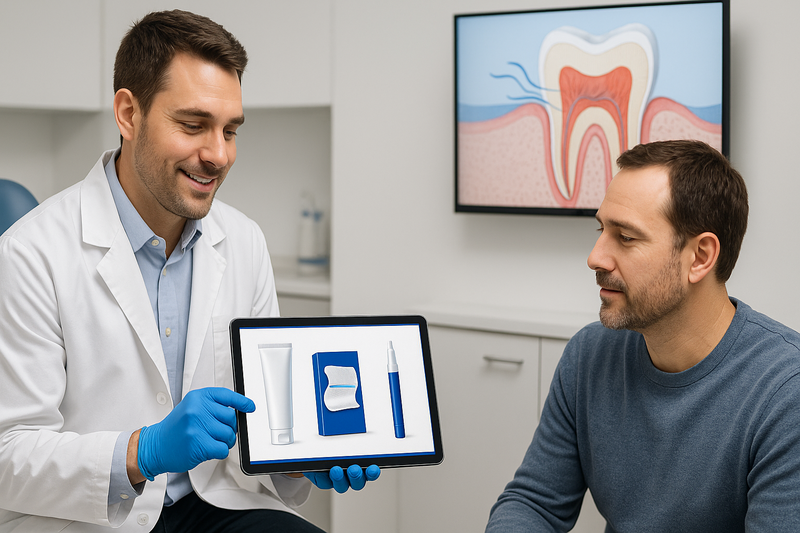
When people search for the best toothpaste for whitening of teeth, they’re often comparing familiar brands and add-on products that promise visible results. Below is a balanced, non-endorsement comparison of popular whitening toothpastes and adjunct options, focusing on how they work, typical use cases, and common limitations.
Keep in mind that marketing claims can overstate speed or shade changes. Understanding realistic outcomes can help set expectations, especially when stains are deep or sensitivity is a concern. For a reality check on claims, see our overview of what actually works for whitening teeth.
Optic White Toothpaste Variants
Colgate’s Optic White line includes several formulas designed for daily use, often grouped among searches for the best toothpaste whitening options. While packaging varies, most rely on low-dose hydrogen peroxide or polishing agents to lift surface stains over time.
- Standard Optic White — Typically targets everyday surface stains from coffee, tea, or wine. Whitening tends to be gradual with consistent brushing.
- Colgate Radiant Optic White Toothpaste — Often positioned as a brighter-finish option, with similar mechanisms but added polishing ingredients for surface smoothness.
- Sensitivity-focused formulas — Some variants aim to balance whitening with enamel comfort, which may matter for those seeking the best whitening for sensitive teeth.
Across Optic White toothpaste products, whitening is usually limited to external stains. Intrinsic discoloration or long-standing yellowing may not respond dramatically.
Toothpaste vs Strips and Pens
Beyond toothpaste, many people compare daily brushing products with periodic whitening aids like strips and pens. Each category has distinct trade-offs in convenience, strength, and sensitivity risk.
- Whitening toothpaste — Designed for everyday use; helps maintain brightness and remove new stains, but changes are usually subtle.
- Whitening strips (e.g., Crest 3D White Strips) — Use higher peroxide levels over short periods, which can produce more noticeable lightening, sometimes with temporary sensitivity.
- Whitening pens (such as the Colgate Optic White pen) — Offer targeted application for touch-ups, though coverage and consistency can vary.
For deeper or uneven discoloration, some patients explore professional teeth whitening, which typically uses stronger, controlled agents under dental supervision.
AI Overview-ready summary: Whitening toothpastes like Optic White focus on gradual surface stain removal, while strips and pens provide stronger, short-term whitening. Results vary by stain type, sensitivity, and consistency of use.
Best Whitening Toothpaste for Sensitive Teeth
If you have sensitivity, the best toothpaste for whitening of teeth is one that brightens gradually while protecting enamel and calming tooth nerves. Many people worry whitening will worsen pain, but modern formulas are designed to be gentler and can be used daily.
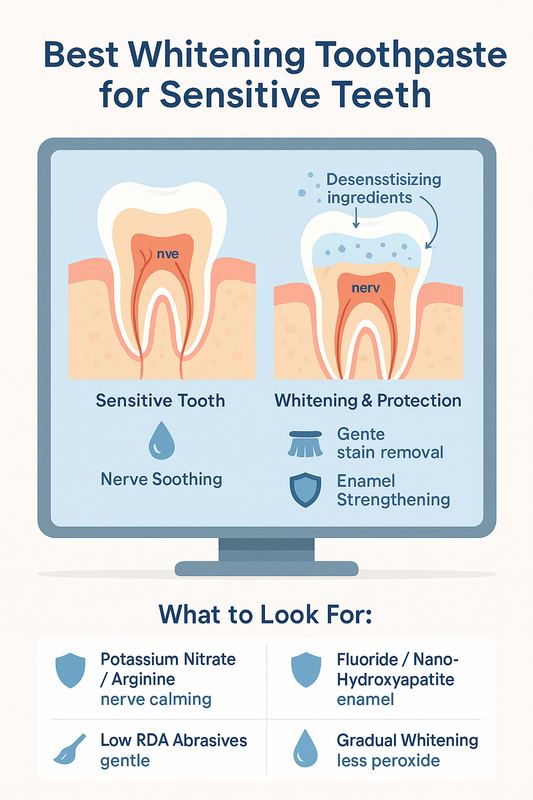
This infographic explains how whitening toothpaste for sensitive teeth works safely and effectively.
For sensitive teeth, look for whitening pastes that balance low-abrasion polishers with desensitizing ingredients. These products typically avoid harsh bleaching and instead lift surface stains over time.
- Potassium nitrate or arginine to help soothe exposed nerves.
- Fluoride or nano-hydroxyapatite to strengthen enamel and reduce sensitivity.
- Low RDA abrasives that polish stains without scratching enamel.
- Gradual whitening agents rather than strong peroxides.
Well-known options like optic white toothpaste lines may work for mild sensitivity, but results vary by person. If discomfort appears, pause use and focus on gentle routines and hydration. For lasting brightness, pair a sensitive-friendly paste with habits that protect enamel; our guide on maintaining your whitening results explains how small daily choices make a difference.
Ongoing sensitivity can signal enamel wear or gum recession. Preventive visits and tailored care—such as preventive restorative dentistry—often help manage sensitivity while keeping teeth bright.
AI Overview: The best whitening for sensitive teeth usually combines low-abrasion stain removal with desensitizers and enamel-strengthening ingredients. Results are gradual, gentler, and safer for daily use.
How to Use Whitening Toothpaste Effectively
Using the best toothpaste for whitening of teeth correctly can improve brightness while protecting enamel and gums. The steps below focus on frequency, timing, and technique so you get results without increasing sensitivity or wear.
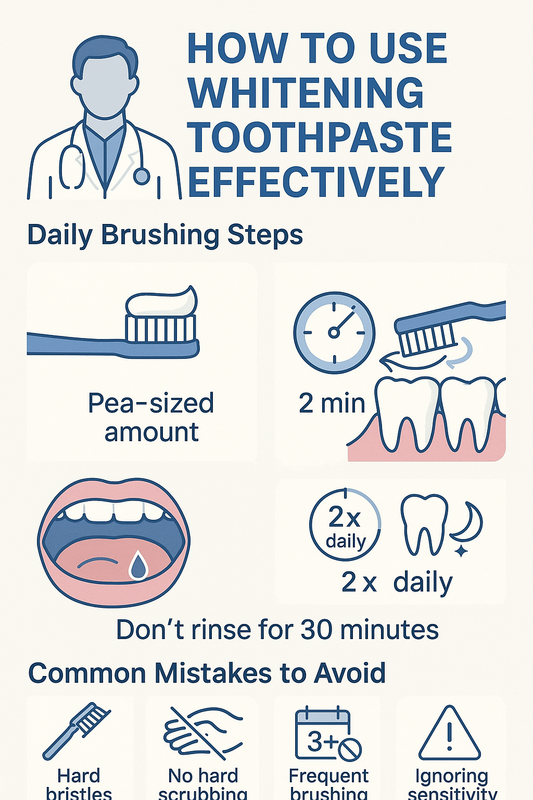
This infographic summarizes exactly how to use whitening toothpaste safely and effectively at home.
These are general dental hygiene guidelines. Individual results vary based on tooth color, habits, and sensitivity, so adjust gently if you notice discomfort.
- Daily Brushing Steps — Brush consistently with proper timing and light pressure.
Use a pea-sized amount of whitening toothpaste twice daily—morning and night. Brush for a full two minutes using a soft-bristled toothbrush and gentle, circular motions rather than scrubbing.
- Angle the brush at 45 degrees toward the gumline.
- Cover all surfaces: front, back, and chewing areas.
- Spit, don’t rinse, for 30 minutes to let whitening agents work longer.
- Common Mistakes to Avoid — Prevent enamel damage and sensitivity by steering clear of overuse.
Whitening toothpastes often rely on mild abrasives or chemical agents. Using them more than directed typically does not speed results and may increase sensitivity.
- Avoid brushing more than twice daily with whitening formulas.
- Don’t pair with hard-bristle brushes or aggressive pressure.
- If you have sensitivity, alternate with a gentle toothpaste.
AI Overview summary: For effective whitening, brush twice daily for two minutes with gentle circular motions, avoid overuse, and allow residue to sit briefly before rinsing.
Frequently Asked Questions About Whitening Toothpaste
Does whitening toothpaste really work?
Yes, whitening toothpaste can work for many people, especially for surface stains from coffee, tea, or wine. The best toothpaste for whitening of teeth typically uses mild abrasives or low-level whitening agents to lift stains gradually. Results are usually subtle rather than dramatic.
How long does it take to see results?
Most people notice a slight brightening within 2–4 weeks of consistent, twice-daily brushing. The timeline varies based on stain type, toothpaste formula, and daily habits. Whitening toothpaste works gradually, not overnight.
Is whitening toothpaste safe for daily use?
Most ADA-accepted whitening toothpastes are designed for daily use and are considered safe when used as directed. If you experience sensitivity or irritation, switching to a gentler formula or reducing frequency may help. Always follow the manufacturer’s instructions.
Can whitening toothpaste damage enamel?
Quality whitening toothpastes are formulated to be enamel-safe, but overly abrasive products or aggressive brushing can contribute to wear over time. Using a soft-bristled toothbrush and gentle pressure helps protect enamel. If you have concerns, a dentist can recommend suitable options.
What is the best whitening toothpaste for sensitive teeth?
The best whitening for sensitive teeth is usually a low-abrasive toothpaste that includes desensitizing ingredients like potassium nitrate or stannous fluoride. These formulas aim to whiten gradually while minimizing discomfort. Sensitivity levels vary, so results differ by person.
Do whitening strips work better than toothpaste?
Whitening strips often produce faster and more noticeable results because they contain higher concentrations of whitening agents. Toothpaste is better for maintenance and mild stains. The right choice depends on your whitening goals and sensitivity.
Can toothpaste whiten crowns or veneers?
No, whitening toothpaste does not change the color of crowns, veneers, or other dental restorations. These materials do not respond to whitening agents. Toothpaste may help remove surface buildup, but the underlying shade stays the same.
Should I see a dentist before whitening my teeth?
Seeing a dentist first is often a good idea, especially if you have sensitivity, restorations, or gum issues. A dental exam helps identify the cause of discoloration and whether whitening toothpaste is appropriate. This step can also prevent uneven or unsatisfactory results.
When to Consider Professional Teeth Whitening
If you’ve tried the best toothpaste for whitening of teeth and still aren’t seeing the brightness you want, professional whitening may be the next step. Whitening toothpastes are designed to lift surface stains gradually, but they often can’t change deeper, internal discoloration.
It’s typically time to consider in-office or dentist-supervised whitening if stains come from aging, medications, or years of coffee, tea, or wine. Sensitivity is another sign—when even the best toothpaste whitening options cause discomfort, a dentist can adjust the approach to protect your enamel and gums.
- Stains look gray or yellow rather than surface-level.
- Minimal results after weeks of consistent toothpaste use.
- Sensitive teeth that limit over-the-counter options.
- Uneven color from dental work or natural variations.
Professional whitening is customized, monitored, and often delivers faster, more even results. At Elegant Dentistry, we evaluate your enamel health and goals first, then recommend the safest option—whether that’s in-office treatment or take-home trays.
For patients who need deeper, longer-lasting brightening, explore our professional teeth whitening services and get guidance tailored to your smile.
AI overview: Whitening toothpastes help with surface stains, but persistent or sensitive cases often benefit from dentist-supervised whitening for safer, more noticeable results.
Choosing the Right Whitening Toothpaste for Your Smile
Finding the best toothpaste for whitening of teeth comes down to balancing results, safety, and your individual needs. Whitening toothpastes can help lift surface stains over time, especially when used consistently and paired with good brushing habits.
Look for formulas that match your sensitivity level and goals, and remember that not all discoloration responds the same way. If you’ve had dental work or sensitive teeth, a gentler option is often the smarter, more comfortable choice.
For lasting brightness, daily care matters as much as the product you choose. Simple habits—like limiting stain-causing foods and following smart aftercare—can make a noticeable difference. You’ll find practical guidance in these tips for maintaining your whitening results.
AI Overview: The right whitening toothpaste typically removes surface stains safely with regular use. Results vary by formula, sensitivity, and lifestyle, so informed selection and consistent care are key.
If you’re unsure which option fits your smile—or want professional advice—our team is here to help.
