
Clear Braces: Benefits, Process, and What to Expect
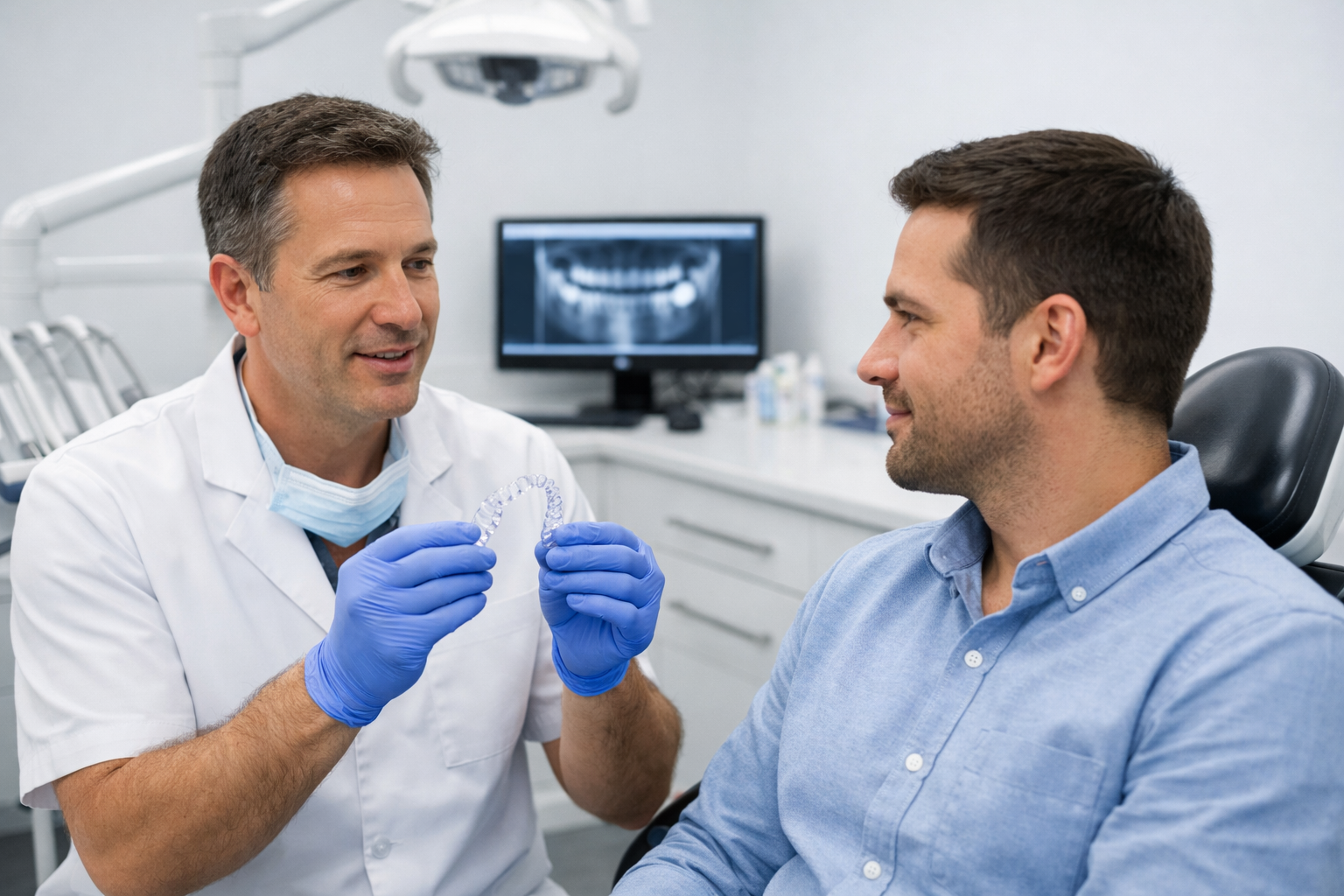
Clear braces are often the first option people explore when they want a more discreet way to straighten their teeth. In everyday use, the term can describe either tooth-colored braces or clear aligners, but this guide focuses on clear aligners. They are popular because they are less noticeable than traditional metal braces, but the right choice depends on your dental health, bite, and the type of tooth movement needed.
If you are comparing options, it helps to know that clear aligners can offer convenience and a subtle appearance, yet they are not ideal for every case. Treatment plans, comfort, maintenance, and results can vary from person to person, so it is important to approach the decision with realistic expectations rather than assumptions.
This guide covers the main benefits, how effective clear aligners can be, what the treatment process usually involves, which factors may affect cost, and the common questions people ask before getting started. The goal is to give you a practical overview so you can better understand whether clear braces may be a suitable next step for your smile goals.
What Are Clear Braces?
Clear braces is a term people often use broadly, but it can mean different things depending on the treatment being discussed. In many cases, patients are referring to clear aligners: custom-made, transparent trays that fit over the teeth and apply gentle pressure to move them over time. If you are exploring clear aligner treatment options at Elegant Dentistry, it helps to understand how aligners differ from other orthodontic choices.
Some people also use “clear braces” to describe ceramic braces, which are attached to the teeth like traditional metal braces but use tooth-colored or clear-looking brackets for a less noticeable appearance. While both options can look more discreet than metal braces, they do not work the same way. Clear aligners are removable trays, while ceramic braces stay fixed in place and use brackets and wires to guide tooth movement.
Clear aligners vs ceramic braces
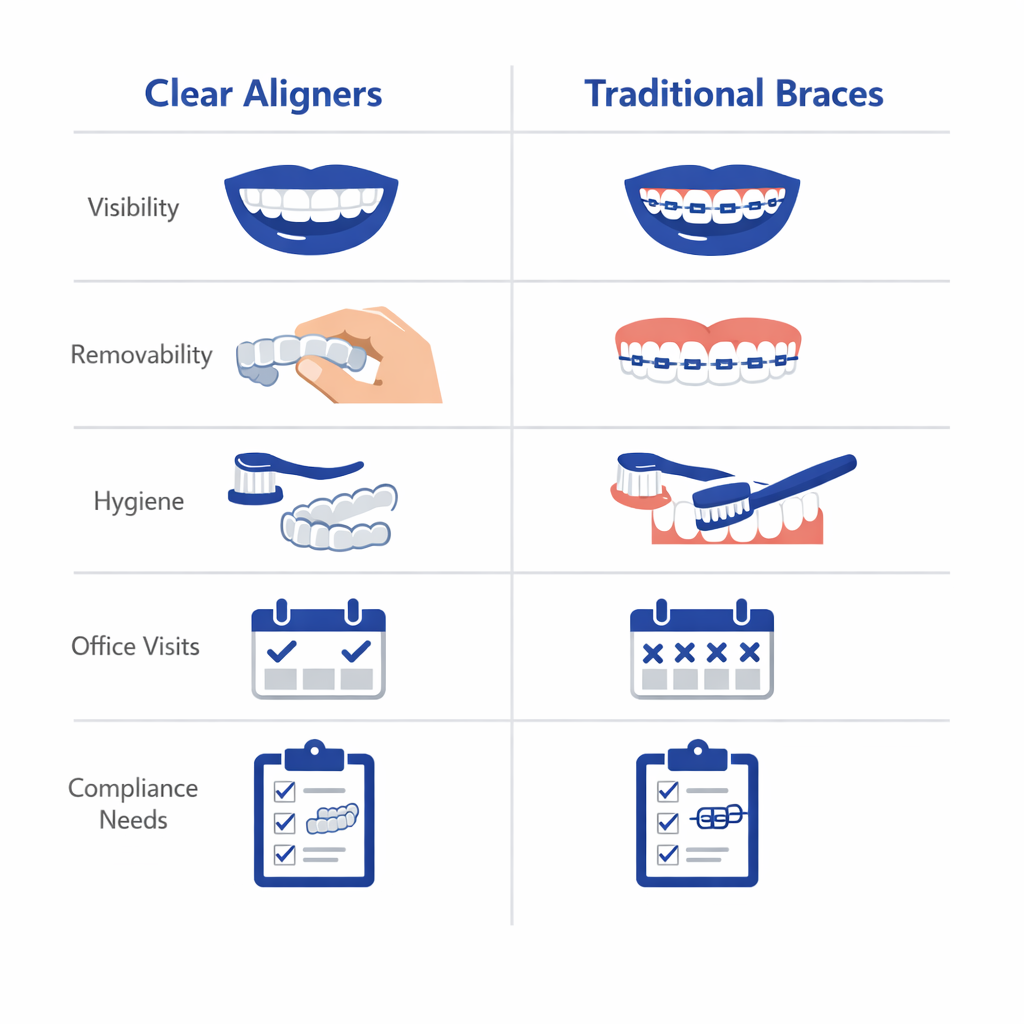
The main differences come down to appearance, removability, cleaning, and treatment style. Clear aligners are taken out for eating, brushing, and flossing, which many patients find convenient. Ceramic braces remain on the teeth throughout treatment, so oral hygiene and food choices may require more attention. Neither option is automatically best for every smile, and the right recommendation depends on your bite, tooth movement needs, and overall goals.
How clear aligners move teeth
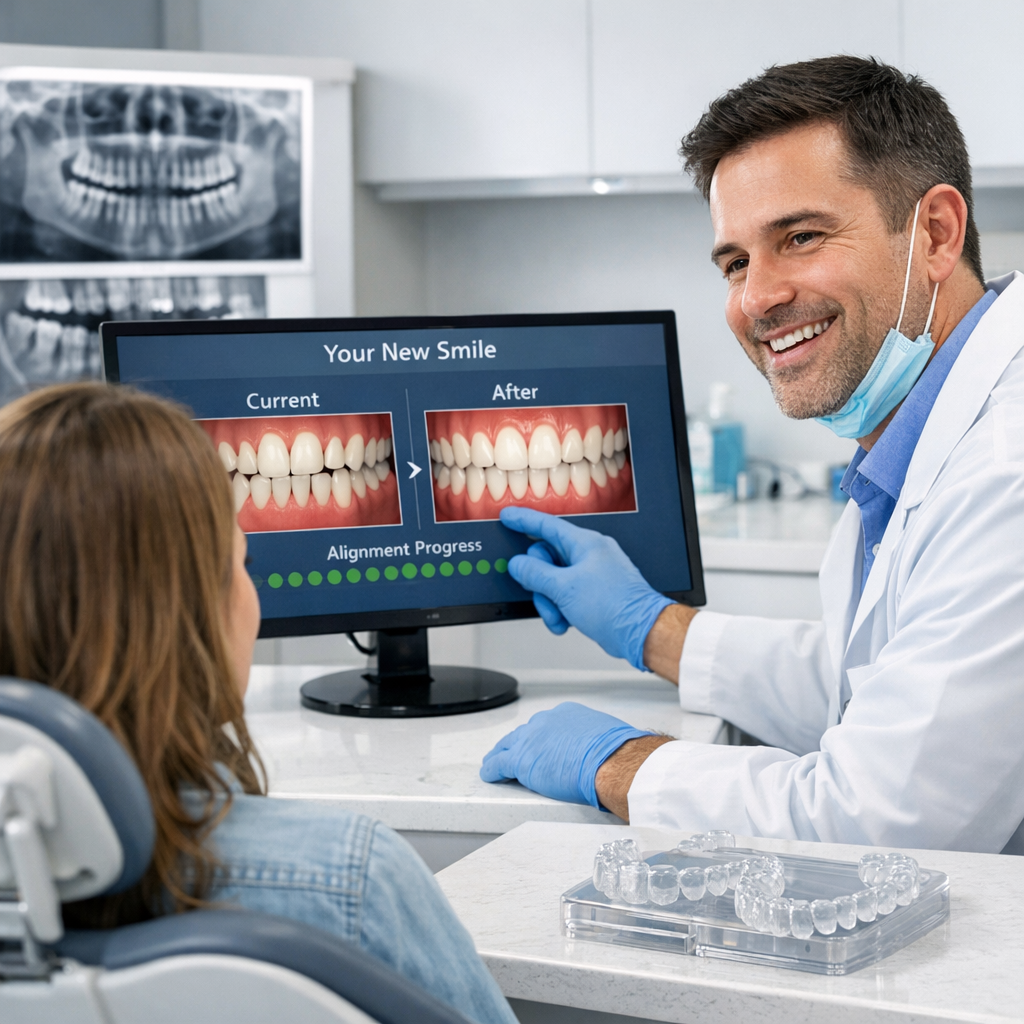
Clear aligner treatment usually begins with digital scans, photos, and other imaging to map out a personalized plan. From there, a series of aligners is created, with each tray designed to make small, gradual changes in tooth position. You switch trays as directed and return for periodic monitoring so your dentist can track progress and make adjustments if needed. This step-by-step approach helps create a more customized path toward straighter teeth.
Potential Benefits of Clear Braces
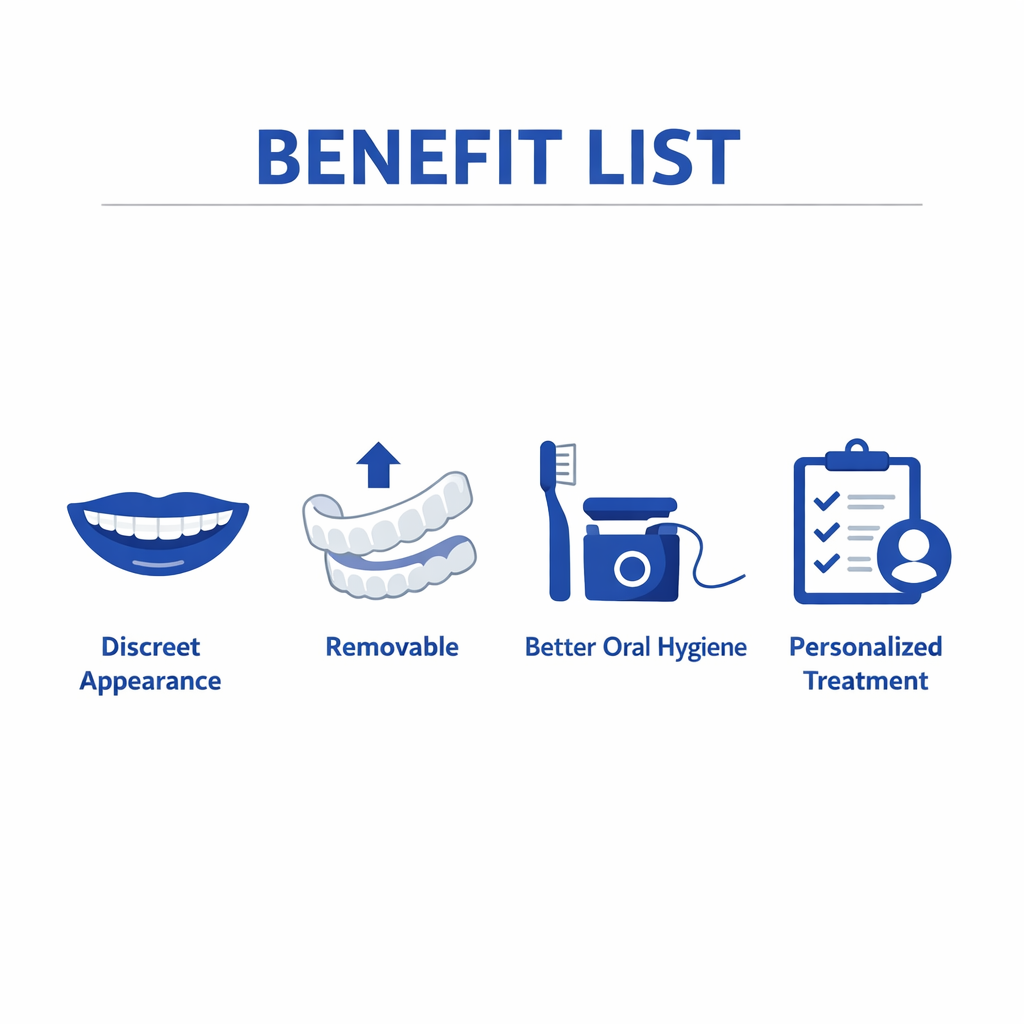
Many patients are interested in clear aligners because they can offer practical advantages in everyday life. When people compare orthodontic options, the appeal often comes down to usability: how treatment fits into work, school, meals, and social situations. While invisible aligners benefits can be meaningful, results still depend on the person, the complexity of tooth movement, and how consistently the aligners are worn.
Appearance and day-to-day confidence
One of the most commonly discussed benefits is their discreet appearance. Because the trays are clear and low profile, they may feel less noticeable than traditional braces in meetings, classrooms, photos, or social events. For adults and teens who want a subtle orthodontic option, that can make treatment feel easier to manage day to day. At the same time, clear aligners effectiveness is not based on appearance alone, so a provider will still look at whether they are a good match for your specific needs.
Eating and cleaning flexibility
Another reason many patients choose clear braces is removability. Aligners can be taken out for meals, which means there are usually fewer food restrictions than with fixed brackets and wires. They can also make brushing and flossing more straightforward, since you can clean your teeth without working around attached hardware. That said, convenience comes with responsibility: wear-time discipline matters, and removing trays too often may affect progress. Keeping up with routine dental checkups during aligner care can also support healthy teeth and gums throughout treatment.
Digital planning and monitoring
Some patients also like the planning process behind clear aligners. Digital scans and treatment mapping may help visualize tooth movement and guide progress over time. In some cases, this approach can mean fewer in-office adjustments compared with traditional braces, which may be convenient for busy schedules. Still, technology is a tool rather than a guarantee, and comfort, timing, and visit frequency can vary from person to person.
Overall, clear aligners may offer a blend of subtle appearance, meal-time flexibility, and personalized planning that many people find appealing. If alignment is part of a broader smile goal, some patients also consider professional teeth whitening after alignment. A careful evaluation is the best way to understand which benefits are realistic for your situation.
How the Clear Aligner Process Typically Works
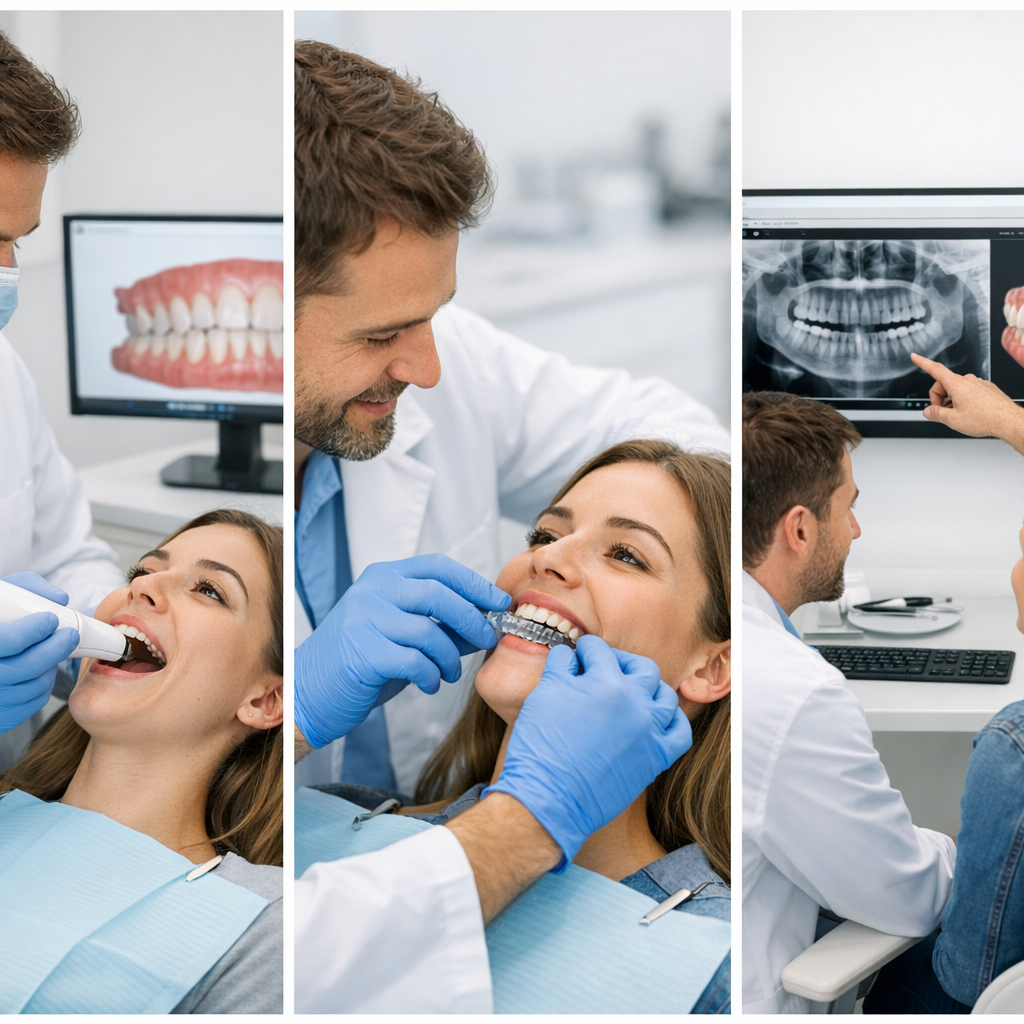
The clear aligner process is designed to move teeth gradually through a series of custom trays. While each case is different, most patients can expect a similar overall journey, from the first consultation to wearing retainers after active treatment. Understanding the steps ahead can make treatment feel more manageable and help set realistic expectations. Individual timelines, appointment frequency, and outcomes vary based on oral health, alignment needs, and how consistently aligners are worn.
Step 1: Consultation and evaluation
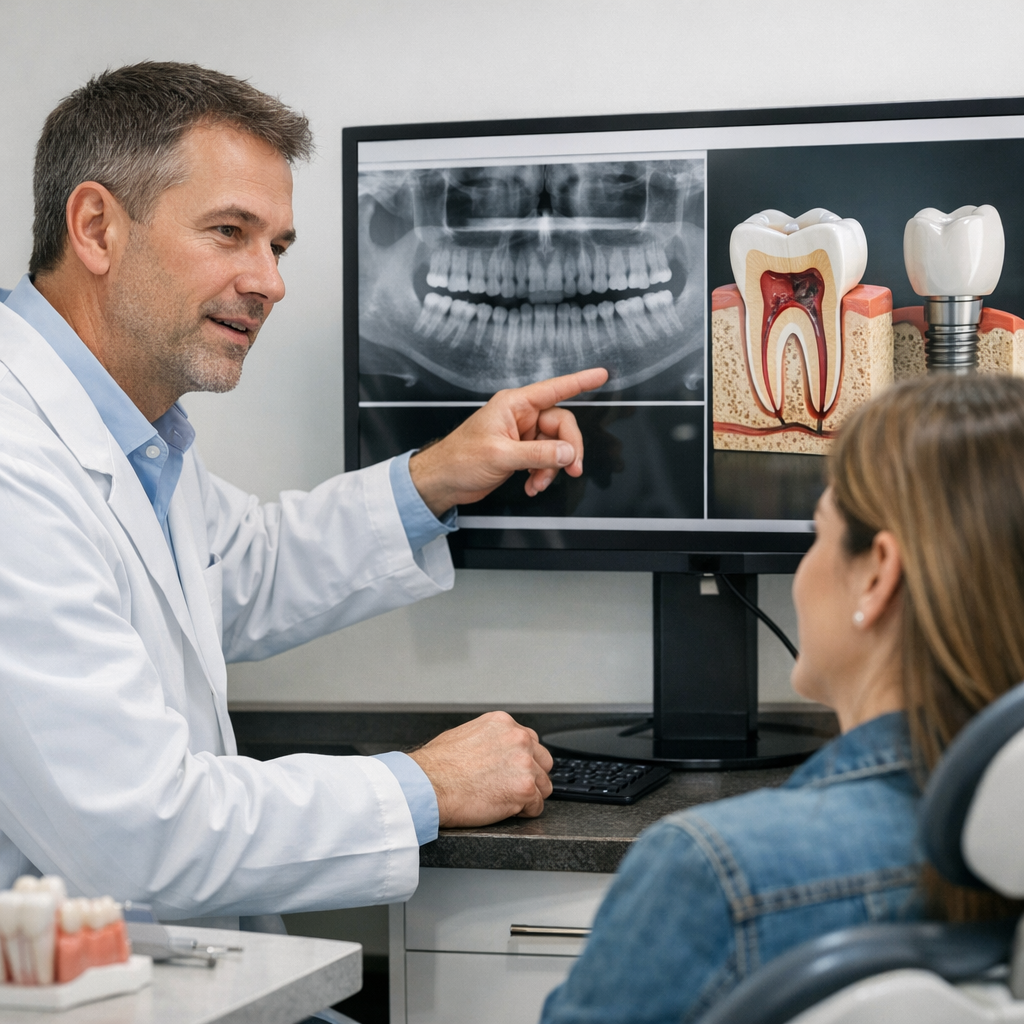
The first visit usually includes an exam, a review of your dental and orthodontic concerns, and a conversation about your goals. Your provider may check your bite, tooth spacing, crowding, gum health, and whether any dental work should be completed before treatment begins. This appointment helps determine whether clear aligners may be appropriate, but only an in-person evaluation can confirm candidacy.
Step 2: Digital scans and treatment planning
If you are a good candidate, the next step often involves digital scans, photos, and bite records. These images create a detailed model of your teeth, allowing your provider to map out how they should move over time. From there, a custom treatment plan is created, showing the sequence of changes and helping estimate how many trays may be needed.
Step 3: Wearing aligners as directed
Once your aligners are ready, you will receive instructions on how to wear and care for them. Most plans involve wearing the trays for most of the day and changing to the next set on a schedule recommended by your provider. Consistency matters because each tray is designed to build on the progress of the one before it. Wearing aligners as directed helps keep the process moving as planned.
Step 4: Progress checks and refinements
Periodic follow-up visits allow your provider to monitor tooth movement, answer questions, and make sure the aligners are fitting properly. In some cases, treatment may need refinements, which means additional scans and extra trays to fine-tune the final result. This is a normal part of personalized care and does not necessarily mean anything has gone wrong.
Step 5: Retainers after treatment
After active treatment ends, retainers are typically recommended to help maintain your new alignment. Teeth can naturally shift over time, so retention is an important final stage rather than an optional extra. Your provider will explain when to wear retainers and how to care for them so you can protect your results long term.
How Effective Are Clear Braces Compared With Other Options?
Clear aligners can be highly effective for many mild to moderate alignment concerns, including some spacing, crowding, and certain bite issues. In some situations, they may also work for more complex cases, but success depends on careful treatment planning, the biology of tooth movement, and how consistently the aligners are worn. That is why questions about clear aligners effectiveness are best answered after a case-specific orthodontic evaluation.
Compared with traditional braces, clear aligners are more discreet and removable. That can make eating, brushing, and flossing easier, which many patients appreciate. On the other hand, removability also creates a compliance requirement: aligners only work as intended when they are worn for the recommended number of hours each day. Braces are fixed in place, so they do not rely on the same level of day-to-day patient follow-through.
When clear aligners may work well
Clear aligners are often considered for mild to moderate spacing, crowding, and some minor bite concerns. They may be a strong option for patients who want a lower-visibility treatment and are comfortable following instructions closely. If you want to learn more about clear aligners here, it helps to start with an exam to see whether your goals match what aligners can predictably achieve.
When another orthodontic option may be recommended
Some cases involve more complex tooth movement, significant bite correction, or other factors that may be better managed with traditional braces or another orthodontic approach. That does not mean aligners are ineffective overall; it means the right treatment depends on the details of your case. A balanced comparison focuses on what is most likely to deliver a healthy, stable result rather than assuming one option is right for everyone.
What Affects the Cost of Clear Braces?
The cost of clear braces can vary from person to person because treatment is based on your specific dental needs. Rather than relying on a general price range, it is more accurate to look at the factors that shape a custom plan. This helps set realistic expectations and avoids promises that may not apply to your case.
Main factors that influence pricing
Common variables include case complexity, how long treatment is expected to take, the number of aligners needed, and whether refinements are required along the way. Retention after treatment can also affect the overall investment, since keeping results stable is an important part of care. In many cases, follow-up visits, monitoring, and adjustments are part of what gives treatment its value, not just the aligners themselves.
Insurance coverage and financing options may also play a role, but these details depend on the provider, the plan, and the office. If you are comparing options, it can help to review current dental specials and offers while keeping in mind that final pricing still depends on a professional evaluation.
For the clearest answer, request a personalized consultation. A custom assessment can show what your treatment may involve and what kind of follow-up care is recommended for lasting results.
How to Choose a Clear Aligner Provider
When comparing the best clear aligners or reviewing different clear aligners providers, focus on the quality of care rather than quick promises. A strong provider should explain your options clearly, use a thorough diagnostic process, and create a plan based on your bite, oral health, and goals. If you want to explore personalized clear aligner care options, look for a team that values communication and realistic expectations.
A helpful checklist includes experience with aligner treatment, how progress is monitored, what happens if refinements are needed, and what retention looks like after treatment. It is also wise to ask whether any oral health issues should be addressed before starting.
Questions to ask at a consultation
- Am I a good candidate for clear aligners?
- What is the expected timeline for my case?
- How will my treatment be monitored?
- If I need refinements, how are they handled?
- What type of retainer will I need after treatment?
Frequently Asked Questions About Clear Braces
Are clear braces the same as clear aligners?
Not always. Many people use the terms interchangeably, but clear aligners are removable plastic trays. Some “clear braces” can also mean tooth-colored braces that stay attached to the teeth. The right option depends on your goals, bite, and what your dentist or orthodontic provider finds during an exam.
Do clear aligners work as well as braces?
They can be very effective for many cases, but not every case is the same. Results depend on the type of tooth movement needed, the treatment plan, and how consistently the aligners are worn. In some situations, braces may offer better control, so an in-person evaluation is the best way to compare options.
Are clear aligners uncomfortable?
Some pressure or soreness is common, especially when starting treatment or switching to a new tray. That usually means the aligners are applying gentle force to move teeth. Comfort levels vary from person to person, and your provider can offer tips to help make the adjustment easier.
Can you eat with clear aligners in?
In most cases, no. Clear aligners are typically removed for meals and for drinks other than water. Before putting them back in, it is best to brush your teeth or rinse well so food particles and sugar are not trapped against your teeth. This helps support both comfort and oral hygiene.
How long does the clear aligner process take?
Treatment length varies. Simpler alignment goals may take less time, while more complex cases can take longer. Timelines also depend on how consistently you wear the aligners and whether refinements are needed along the way. Your provider can give you a more realistic estimate after examining your teeth and bite.
Who is a good candidate for clear braces?
A good candidate is someone whose alignment goals, oral health, and bite can be safely treated with a clear option. That cannot be confirmed by photos or guesswork alone. An in-person consultation is the best way to learn whether clear aligners or another treatment approach makes the most sense for your needs.
Ready to Explore Clear Aligners?
If you’re considering clear aligners, a personalized consultation can help you understand whether they may fit your goals, what treatment could involve, and which factors may affect timing and cost. This is a simple next step for getting guidance based on your smile, bite, and priorities.
Schedule a consultation
Talk with the team about your concerns, preferences, and treatment options in a supportive, low-pressure setting.
Final Thoughts on Clear Braces
Clear braces can be a helpful orthodontic option for people who want a more subtle look while still addressing alignment concerns. They may work well for many patients, but the right treatment depends on factors like bite issues, tooth movement needs, oral health, and personal goals. That is why a professional evaluation matters more than trying to self-diagnose based on photos or general advice online.
It is also important to keep expectations realistic. Treatment experience, timeline, comfort, and results can vary from case to case. What works well for one person may not be the best fit for another, even if their concerns seem similar at first glance.
A personalized plan matters
If you are considering clear braces, the most useful next step is getting guidance tailored to your smile, health, and priorities. A personalized plan can help you understand your options clearly and move forward with confidence, supported by expert care and realistic expectations.
