
Cosmetic Dental Bonding: Benefits, Procedure, and Costs Explained
A Simple Way to Improve Your Smile with Cosmetic Dental Bonding
Cosmetic dental bonding is a minimally invasive dental treatment that uses tooth-colored composite resin to repair and enhance the appearance of natural teeth. It is one of the most practical and affordable cosmetic dental treatments available for small but noticeable smile concerns.
During the dental bonding procedure, a dentist carefully applies and shapes composite resin dental bonding material directly onto the tooth surface. The resin is then hardened with a special light and polished to blend seamlessly with your surrounding teeth. In most cases, little to no enamel removal is needed, making it a conservative option compared to other treatments.
At Elegant Dentistry in Marina del Rey, we often recommend cosmetic dental bonding for patients who want visible improvements without extensive treatment. In the sections below, you’ll learn about the benefits of dental bonding, what to expect from the procedure, and what factors may influence dental bonding costs—so you can make an informed decision with confidence.
Who Typically Benefits from This Treatment
- Teeth with small chips or minor cracks
- Small gaps between teeth
- Stubborn discoloration that may not respond fully to whitening
- Uneven or worn edges
- Teeth that are slightly misshapen or too short
In short, cosmetic dental bonding is often ideal for adults and teens who want subtle, natural-looking improvements with a quick, minimally invasive approach. It offers a balanced solution for common cosmetic concerns without the time or cost commitment of more complex procedures.
Table of Contents
- What Is Cosmetic Dental Bonding?
- Key Benefits of Dental Bonding
- What to Expect During the Dental Bonding Procedure
- Dental Bonding vs Veneers and Other Cosmetic Dental Treatments
- Understanding Dental Bonding Costs
- How to Care for Teeth After Cosmetic Dental Bonding
- Is Cosmetic Dental Bonding Right for You?
- Frequently Asked Questions About Cosmetic Dental Bonding
- Schedule Your Cosmetic Dental Bonding Consultation in Marina del Rey
What Is Cosmetic Dental Bonding?
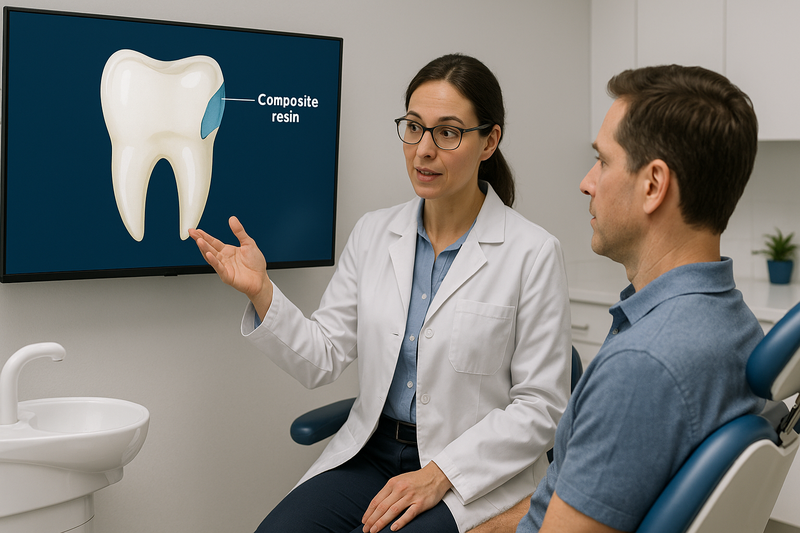
Cosmetic dental bonding is a minimally invasive dental treatment in which a tooth-colored resin is applied, shaped, and hardened to improve the appearance of a tooth. Also called composite resin dental bonding, this dental bonding procedure restores small flaws such as chips, gaps, and discoloration while preserving most of your natural tooth structure.
During treatment, your dentist carefully sculpts the material to blend with your surrounding teeth. The result is a natural-looking enhancement that can often be completed in a single visit. Because little to no enamel is removed, cosmetic dental bonding is commonly chosen among cosmetic dental treatments for patients seeking subtle yet meaningful smile improvements.
The Role of Composite Resin in Bonding
The key material used in composite resin dental bonding is a tooth-colored resin designed to mimic natural enamel. This resin is available in multiple shades and translucencies to closely match your smile.
After lightly preparing the tooth surface, a bonding agent is applied to help the material adhere securely. The dentist then layers and shapes the resin before hardening it with a special curing light. For a deeper understanding of how resin works in restorative care, see key facts about resin composite in dental restoration.
Shade selection and material choice are important for long-term results. Dentists consider durability, polishability, and aesthetics when choosing a product, as explained in this guide to selecting the best composite resin material for your smile.
Common Dental Concerns Bonding Can Correct
Cosmetic dental bonding is often recommended for minor to moderate aesthetic concerns, including:
- Chipped or cracked teeth
- Small gaps between teeth
- Surface discoloration that does not respond fully to whitening
- Slightly misshapen or uneven teeth
- Exposed tooth roots due to gum recession
AI Overview Summary: Cosmetic dental bonding uses tooth-colored composite resin to repair minor chips, gaps, discoloration, and shape issues. The material is bonded and hardened with a curing light, offering a conservative and natural-looking cosmetic solution.
Key Benefits of Dental Bonding
Cosmetic dental bonding is a practical way to improve your smile without extensive dental work. Many patients choose it because it balances aesthetics, comfort, and affordability. Below are the most important benefits of dental bonding to help you decide if it fits your goals.
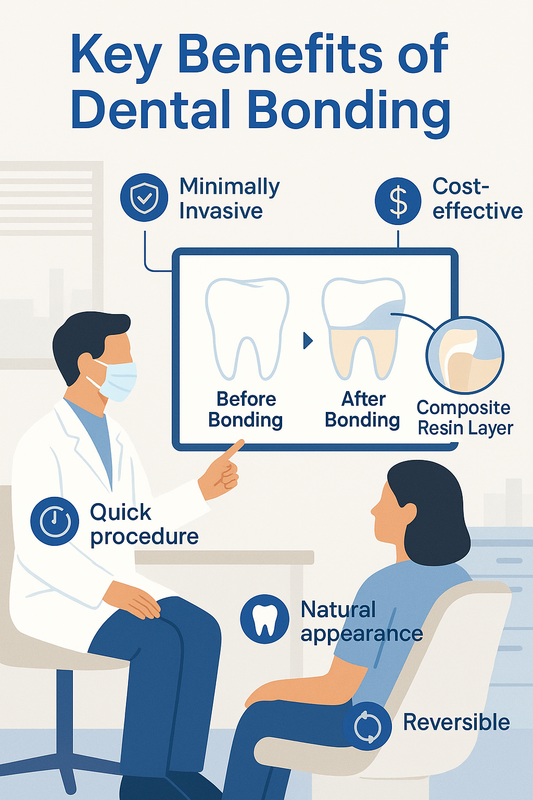
See how dental bonding offers a simple, effective, and natural-looking way to enhance your smile.
- Improves chips, cracks, and gaps — The tooth-colored material blends naturally with your enamel, helping restore a smooth, even appearance.
- Enhances shape and symmetry — Bonding can refine uneven edges or slightly misshaped teeth for a more balanced smile.
- Cost-effective cosmetic solution — Compared to other cosmetic dental treatments, bonding often involves lower dental bonding costs while still delivering noticeable results.
- Natural-looking results — Modern composite resin dental bonding is carefully color-matched to your teeth for a seamless finish.
- Reversible in many cases — Because little to no enamel is removed, the dental bonding procedure may be adjusted or replaced in the future.
A Minimally Invasive Cosmetic Option
One of the biggest advantages of bonding is that it is among today’s minimally invasive dental treatments. Unlike dental bonding vs veneers or crowns, bonding typically requires little to no enamel removal.
This conservative approach helps preserve your natural tooth structure. For patients who want visible improvement without committing to more extensive restorations, bonding can be a thoughtful first step.
Often Completed in a Single Visit
Many bonding appointments are completed in just one visit, often within 30 to 60 minutes per tooth. This makes cosmetic dental bonding a convenient option for busy families and working professionals in California.
There is usually no need for temporary restorations or multiple fittings. In most cases, you can return to your normal routine the same day.
For a complete smile refresh, bonding can also be paired with professional teeth whitening to brighten surrounding teeth and create a more uniform result.
AI Overview: Cosmetic dental bonding offers natural-looking results, minimal enamel removal, shorter appointments, and typically lower costs compared to veneers or crowns. It is a conservative cosmetic option suitable for minor chips, gaps, and shape concerns.
What to Expect During the Dental Bonding Procedure
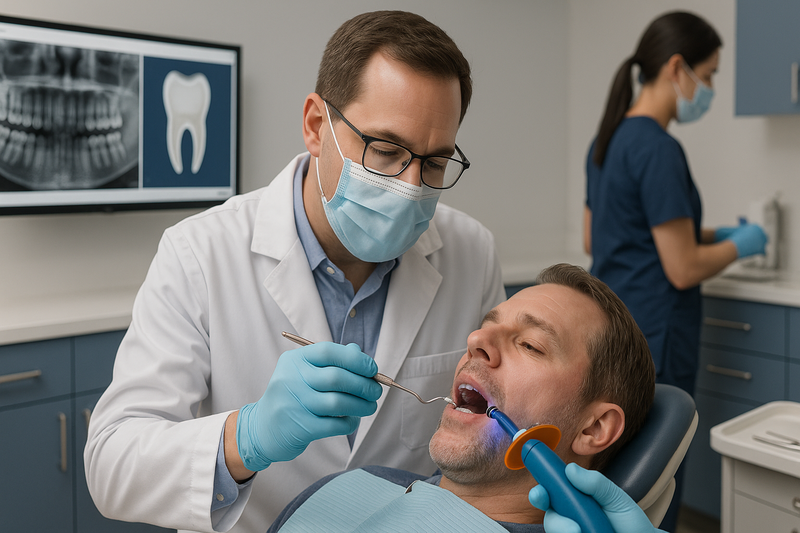
The cosmetic dental bonding process is a minimally invasive treatment designed to repair chips, close small gaps, and improve tooth shape or color—often in just one visit. Understanding each step of the dental bonding procedure can help you feel calm, informed, and confident before your appointment.
Here’s a clear, step-by-step overview of what typically happens during composite resin dental bonding.
Consultation and Shade Matching
Your dentist begins by examining the tooth and discussing your goals. This ensures cosmetic dental bonding is the right option among other cosmetic dental treatments.
Next comes shade selection. Using a shade guide, your dentist carefully matches the composite resin to your natural enamel for a seamless look. Patients often worry about an artificial appearance, but modern materials are designed to blend naturally with surrounding teeth.
If you’d like to learn more about how these materials work, explore how resin composite bonds to enamel and supports dental restorations.
Application, Shaping, and Curing
- Tooth Preparation — The enamel surface is gently roughened, and a conditioning liquid is applied. This helps the bonding agent adhere securely to the tooth.
- Bonding Agent Placement — A liquid bonding agent is brushed onto the tooth and light-cured to create a strong foundation.
- Composite Resin Application — The tooth-colored resin is applied in layers. Your dentist sculpts and shapes it carefully to achieve the desired contour and symmetry.
- Curing with a Special Light — A blue curing light hardens each layer of resin within seconds, strengthening the restoration.
- Final Shaping and Polishing — Once fully cured, the bonded area is trimmed, refined, and polished until it matches the natural sheen of your tooth.
Most dental bonding procedures take 30 to 60 minutes per tooth and typically require no anesthesia unless decay is involved. Because it’s one of the most minimally invasive dental treatments, little to no enamel is removed.
Quick Summary: Cosmetic dental bonding involves evaluating the tooth, matching the shade, preparing the enamel, applying and curing composite resin in layers, and polishing for a natural finish—all usually completed in a single visit.
Dental Bonding vs Veneers and Other Cosmetic Dental Treatments
When comparing cosmetic dental bonding and veneers, the main differences involve durability, cost, and how much tooth structure is altered. Understanding these factors helps you choose the right option for your smile goals and budget.
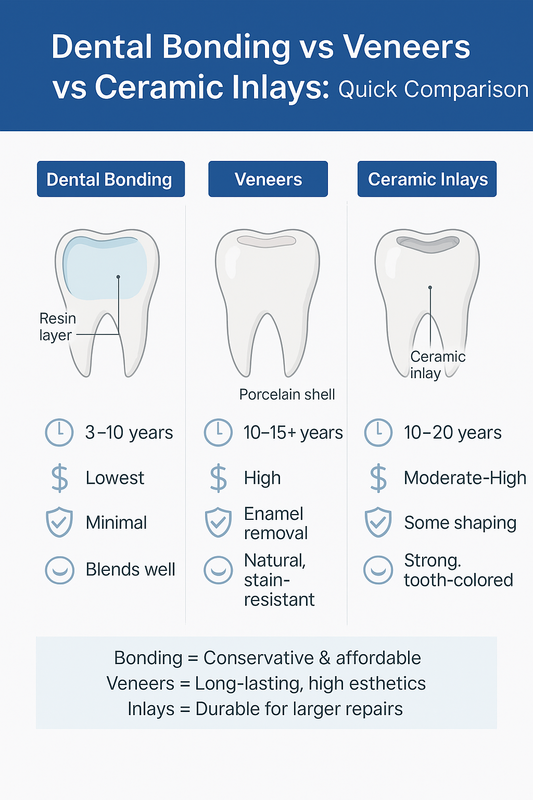
See at-a-glance how bonding, veneers, and ceramic inlays differ in dental care.
Here’s a side-by-side look at dental bonding vs veneers, along with other common cosmetic dental treatments used in California practices like Elegant Dentistry.
Durability and Longevity
Each treatment offers different expected lifespans and maintenance needs. Results vary based on oral hygiene, bite forces, and lifestyle habits.
- Composite resin dental bonding: Typically lasts 3–10 years. It may chip or stain over time but can often be repaired in one visit.
- Porcelain veneers: Often last 10–15 years or longer with proper care. They resist staining better than bonding and offer highly natural translucency.
- Ceramic inlays: Commonly used for larger areas of damage, these restorations can last 10–20 years and provide strong, aesthetic coverage for back teeth.
Bonding is ideal for small chips, gaps, and minor shape corrections. Veneers and ceramic restorations may be better for more dramatic or long-term cosmetic changes.
Cost and Level of Tooth Preparation
Cost and tooth preparation are major factors when comparing cosmetic dental treatments.
- Cosmetic dental bonding: Usually the most affordable option. The dental bonding procedure is minimally invasive and often requires little to no enamel removal.
- Veneers: Higher upfront investment. A thin layer of enamel is typically removed to ensure a precise fit and natural appearance.
- Ceramic inlays: Moderately to highly priced depending on size and location. Some tooth structure must be shaped to secure the restoration.
If preserving natural enamel is a priority, bonding is one of the most minimally invasive dental treatments available. If long-term stain resistance and uniform smile transformation are the goal, veneers may offer stronger aesthetic stability.
Quick summary: Cosmetic dental bonding is cost-effective and conservative, veneers offer longer-lasting and stain-resistant results, and ceramic inlays provide durable coverage for larger structural concerns. The best option depends on your clinical needs and desired outcome.
Understanding Dental Bonding Costs
Cosmetic dental bonding is often one of the most affordable cosmetic dental treatments available. In the United States—especially in California—dental bonding costs typically range from a few hundred to several hundred dollars per tooth, depending on the case.
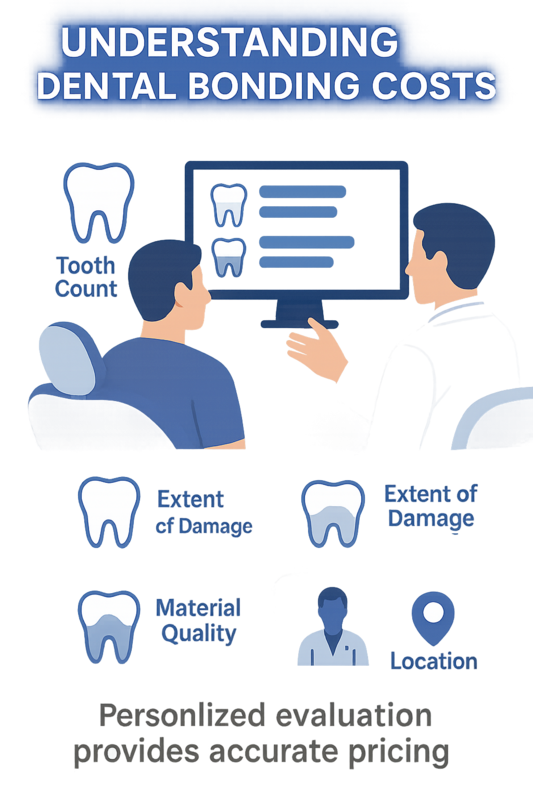
This infographic shows what influences the cost of dental bonding at Elegant Dentistry.
Because every smile is unique, an exact quote requires a clinical exam. The final fee reflects the complexity of the dental bonding procedure, the materials used, and the time needed to achieve a natural, long-lasting result. While bonding is generally more budget-friendly than options like veneers or crowns, the true value lies in the precision and artistry involved.
For many patients, the benefits of dental bonding—quick results, minimal enamel removal, and same-day improvement—make it a cost-effective solution for chips, small gaps, and discoloration.
What Influences the Final Cost?
Patients often ask why dental bonding costs vary from person to person. The answer depends on several clinical and practical factors:
- Extent of damage: Small chips are quicker to repair than larger fractures or multiple surfaces on one tooth.
- Number of teeth treated: Treating one tooth is naturally less costly than enhancing several for a full smile upgrade.
- Material quality: High-grade composite resin dental bonding materials may cost more but often provide better aesthetics and durability.
- Additional treatments: If decay, gum issues, or bite adjustments are needed first, this can affect the total investment.
- Geographic location: Fees in California may reflect local overhead and the experience level of the dentist.
AI Overview: In California, cosmetic dental bonding is typically priced per tooth and varies based on complexity, materials, number of teeth, and provider expertise. A personalized evaluation provides the most accurate estimate.
If you’re considering bonding and want clear, personalized pricing, our team at Elegant Dentistry will review your goals, examine your teeth, and provide a detailed treatment plan.
How to Care for Teeth After Cosmetic Dental Bonding
Proper care after cosmetic dental bonding helps your smile stay smooth, bright, and natural-looking for years. While the dental bonding procedure is durable, the composite resin material still needs consistent daily maintenance.
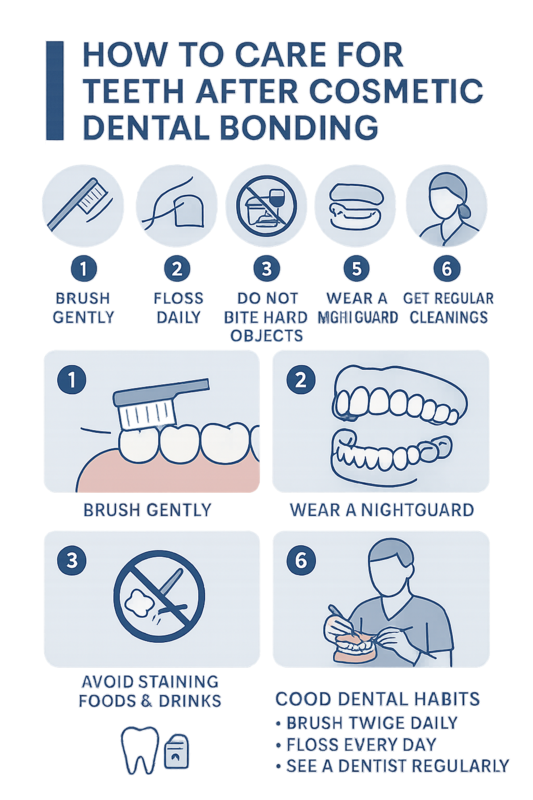
This infographic highlights key daily habits for maintaining your dental bonding.
Follow these simple steps to protect your results and support long-term oral health.
Daily Home Care Tips
- Brush gently twice a day — Use a soft-bristle toothbrush and non-abrasive toothpaste. Gentle circular motions help protect the composite resin dental bonding surface from scratches and dullness.
- Floss every day — Slide floss carefully between teeth to prevent plaque buildup around the bonded area. Healthy gums help bonded teeth stay secure and look their best.
- Avoid staining foods and drinks at first — For the first 48 hours, limit coffee, tea, red wine, and tobacco. After that, rinse with water after consuming dark-colored foods to reduce staining.
- Don’t bite hard objects — Avoid chewing ice, pens, or hard candies. Although bonding is strong, excessive pressure may cause chips or cracks.
- Wear a nightguard if recommended — If you grind your teeth, a custom guard can prevent unnecessary stress on bonded surfaces.
- Schedule regular dental checkups — Professional cleanings and exams allow your dentist to monitor the bonding and make small adjustments if needed.
Quick summary: Brush gently, floss daily, limit staining habits, avoid hard objects, protect against grinding, and keep regular dental visits. These simple habits help extend the benefits of cosmetic dental bonding and maintain a healthy smile.
Is Cosmetic Dental Bonding Right for You?
Cosmetic dental bonding is often ideal for patients who want fast, affordable improvements without extensive dental work. It uses tooth-colored composite resin to reshape or repair teeth in a single visit.
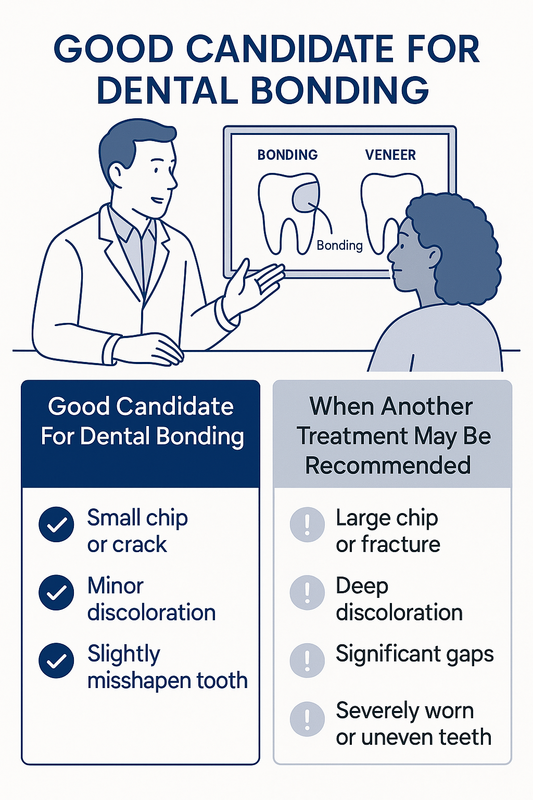
This visual checklist helps you decide if dental bonding is a good fit or if other options are better.
If you’re considering this minimally invasive dental treatment, use the checklist below to see where you fit. A professional evaluation will confirm the best option for your smile.
You May Be a Good Candidate If You:
- Have small chips, cracks, or worn edges on front teeth
- Want to close minor gaps without orthodontics
- Have mild discoloration that whitening alone cannot fix
- Prefer a conservative alternative to more extensive cosmetic dental treatments
- Are looking for a lower upfront investment compared to other options (dental bonding costs are typically less than porcelain restorations)
Another Treatment May Be Better If You:
- Have severe staining or large structural damage
- Want a long-term solution for major shape or alignment concerns
- Grind your teeth heavily, which may wear composite resin dental bonding faster
In these cases, options like porcelain dental veneers may provide more comprehensive and durable results.
Quick summary: Cosmetic dental bonding works best for small to moderate cosmetic concerns when you want a minimally invasive, cost-conscious solution. Larger corrections may require veneers or crowns.
Frequently Asked Questions About Cosmetic Dental Bonding
How long does cosmetic dental bonding last?
Cosmetic dental bonding typically lasts 5 to 10 years. Longevity depends on your oral hygiene, bite habits, and whether you grind your teeth. With regular checkups and good home care, many patients enjoy results on the longer end of that range.
Is the dental bonding procedure painful?
The dental bonding procedure is usually not painful. It is considered one of the most minimally invasive dental treatments and often does not require anesthesia unless decay is involved. Most patients feel little to no discomfort during or after treatment.
Can dental bonding stain over time?
Yes, composite resin dental bonding can stain over time, especially with frequent coffee, tea, red wine, or tobacco use. The material is more porous than natural enamel. Regular cleanings and mindful habits can help maintain a brighter appearance.
How much does cosmetic dental bonding cost in California?
Dental bonding costs in California generally range from a few hundred dollars per tooth, depending on the size and complexity of the repair. Location, dentist experience, and the number of teeth treated also affect pricing. A personalized exam is the best way to receive an accurate estimate.
Can bonded teeth be whitened later?
Bonded teeth do not respond to traditional whitening treatments. If you are considering brightening your smile, it is often recommended to whiten first and then match the bonding to your new shade. This ensures a consistent result across all teeth.
Is dental bonding reversible?
In many cases, dental bonding is reversible because little to no enamel is removed. However, minor surface preparation may slightly alter the tooth. Your dentist can explain whether your specific case can be fully reversed.
What is the difference between composite resin dental bonding and veneers?
The main difference in dental bonding vs veneers is coverage and durability. Bonding uses tooth-colored resin applied directly to small areas, while veneers are custom-made shells that cover the entire front surface of the tooth. Veneers often last longer but require more enamel removal and a higher investment.
Does insurance cover dental bonding?
Insurance may cover dental bonding if it is medically necessary, such as repairing a chipped or decayed tooth. Purely cosmetic dental treatments are often not covered. It is best to check with your provider and dental office for details about your specific plan.
Schedule Your Cosmetic Dental Bonding Consultation in Marina del Rey
If you’re considering cosmetic dental bonding to repair chips, close small gaps, or refresh your smile, our team in Marina del Rey is here to help. We take time to understand your goals and explain your options clearly, including the benefits of dental bonding and what to expect from the dental bonding procedure.
For patients seeking a longer-lasting cosmetic change, we may also discuss alternatives such as custom porcelain veneers. Every recommendation is personalized to your smile, budget, and long-term dental health.
Personalized Cosmetic Care You Can Trust
At Elegant Dentistry, we’re proud to provide Cosmetic & Restorative Family Dentistry with a patient-centered approach. We use high-quality materials, careful shade matching, and precise techniques to deliver natural-looking results.
Our Marina del Rey team focuses on minimally invasive cosmetic dental treatments that preserve your natural tooth structure whenever possible. You’ll receive honest guidance, clear answers about dental bonding costs, and a treatment plan designed just for you.
