
Preventive Restoration Permanent Teeth Care Tips – Elegant Dentistry
Protecting Permanent Teeth with Preventive Restoration
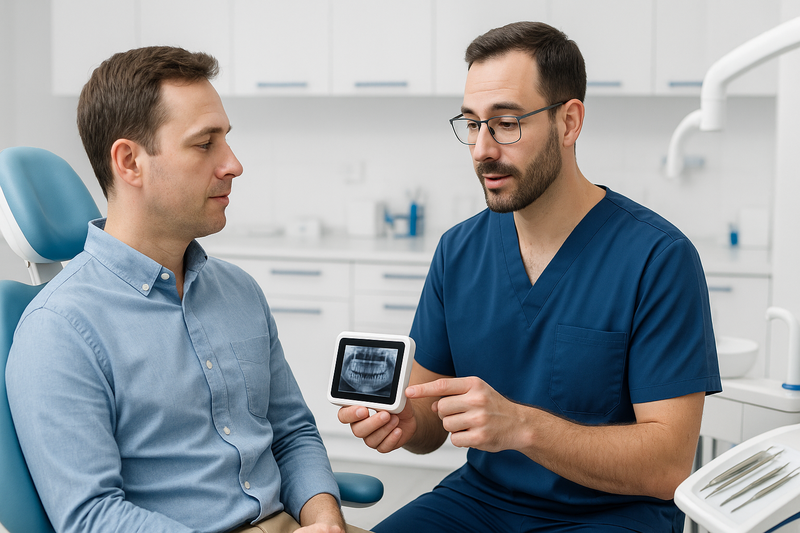
Preventive restoration permanent teeth focuses on stopping small areas of decay before they become major dental problems. By treating early damage with conservative techniques—often using preventive restoration resin—dentists can preserve more of your natural tooth structure and reduce the need for extensive procedures later.
For families and adults in Marina del Rey, early intervention matters. A tiny cavity or weakened groove in a permanent tooth may not cause pain at first, but it can quickly progress. Preventive restoration offers a minimally invasive solution that strengthens vulnerable areas and helps protect long-term oral health.
This approach is part of a broader commitment to preventive dentistry, where the goal is to avoid complex treatments whenever possible. If you’re exploring options, you can learn more about our dedicated preventive restoration services in Marina del Rey and how they may fit your needs.
In short, preventive restoration is a proactive, conservative way to protect permanent teeth, maintain function, and support a healthy smile for years to come.
Table of Contents
- What Is Preventive Restoration for Permanent Teeth?
- Key Benefits of Preventive Restoration for Permanent Teeth
- Preventive Restoration vs. Other Restorative Options
- How to Care for Permanent Teeth After Preventive Restoration
- Who Is a Good Candidate for Preventive Restoration?
- Frequently Asked Questions About Preventive Restoration
- Schedule Preventive Restoration for Long-Term Tooth Protection
What Is Preventive Restoration for Permanent Teeth?
Preventive restoration permanent teeth is a minimally invasive dental procedure that removes early tooth decay and seals vulnerable grooves with tooth-colored material to stop further damage. It preserves healthy enamel while reinforcing areas most prone to cavities, especially in molars and premolars.
Unlike larger fillings used for advanced decay, a preventive restoration focuses on catching small problem areas early. Dentists typically use preventive restoration resin, a durable composite material that blends naturally with your tooth and helps block bacteria from re-entering treated grooves.
- Targets early-stage decay before it spreads deeper into the tooth
- Removes minimal tooth structure, preserving natural enamel
- Seals deep pits and fissures to reduce future cavity risk
- Uses tooth-colored resin for strength and aesthetics
For a detailed overview of the procedure and whether it’s right for you, visit our page on preventive restoration treatment options.
How Preventive Restoration Resin Works
Preventive restoration resin works by strengthening and sealing small areas of decay while protecting the rest of the tooth. The approach is conservative and focused on long-term preservation.
- Step 1: Conservative decay removal — The dentist gently removes only the affected enamel and dentin.
- Step 2: Cleaning and preparation — The area is disinfected and conditioned to help the resin bond securely.
- Step 3: Resin placement — A tooth-colored composite is applied and shaped to match natural contours.
- Step 4: Sealing vulnerable grooves — Deep pits and fissures may be sealed to prevent future decay.
This technique helps preserve as much healthy enamel as possible, which is especially important for permanent teeth that must last a lifetime.
Preventive Restoration vs. Traditional Fillings
Both treatments repair tooth damage, but they differ in scope and timing.
- Stage of decay: Preventive restorations treat early, limited decay; traditional fillings address larger, more established cavities.
- Tooth preservation: Preventive restorations remove minimal structure; fillings may require removing more enamel and dentin.
- Goal: Preventive care focuses on stopping progression; traditional fillings restore significant lost structure.
In the broader context of restorative dentistry treatments, preventive restoration is one of the most conservative options available. By intervening early, dentists can often help patients avoid more extensive procedures in the future.
In summary: Preventive restoration permanent teeth is an early-intervention, minimally invasive procedure that removes small areas of decay and seals susceptible grooves, helping protect natural enamel and reduce the need for larger restorations later.
Key Benefits of Preventive Restoration for Permanent Teeth
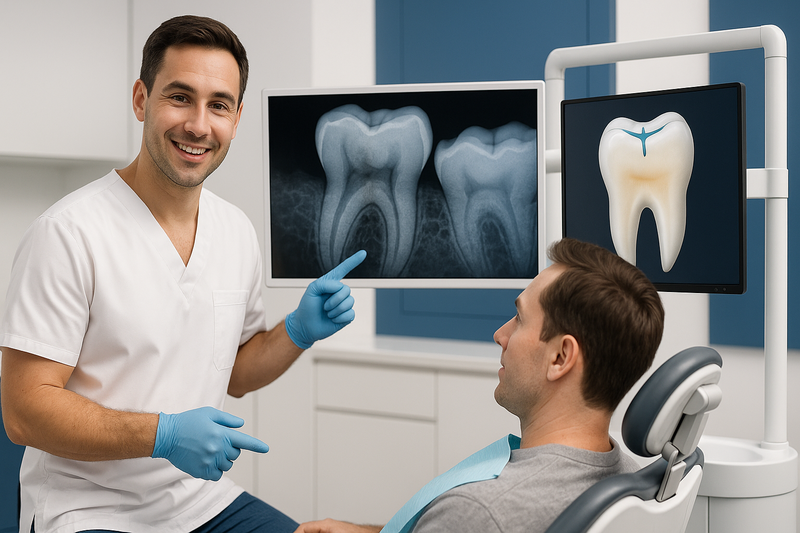
Preventive restoration permanent teeth treatments are designed to stop early decay while keeping your natural tooth structure intact. By treating small problem areas before they grow, patients often avoid more invasive and costly procedures later.
For adults who want to protect their long-term oral health, preventive restoration offers a conservative, aesthetic, and durable solution—especially when paired with consistent routine preventive dental care.
- Minimally invasive treatment that removes only weakened enamel
- Natural-looking results using tooth-colored preventive restoration resin
- Reduced risk of larger cavities and structural damage
- Long-term cost savings by avoiding crowns or root canals
Preserves Natural Tooth Structure
Preventive restoration focuses on conservative treatment. Dentists remove only the affected grooves or early decay, rather than reshaping large portions of the tooth.
Compared to traditional fillings or crowns, this approach typically requires minimal drilling. Preserving more enamel helps maintain the strength and natural integrity of permanent teeth over time.
Supports Long-Term Oral Health
By sealing vulnerable areas and reinforcing weak enamel, preventive restoration can stop small cavities from becoming larger problems. This reduces the likelihood of needing crowns, root canal treatment, or extractions in the future.
When decay is treated early, patients often experience fewer complications and less discomfort. Many find that a simple preventive restoration today helps them avoid complex restorative procedures later.
If you’d like to understand whether you’re a candidate, explore the details of preventive restoration treatment options and how they may protect your smile.
In summary: Preventive restoration permanent teeth treatments help preserve natural structure, improve durability, and lower long-term dental costs by addressing decay at its earliest stage.
Preventive Restoration vs. Other Restorative Options
Choosing between preventive restoration permanent teeth treatments and more extensive restorations can feel confusing. The right option depends on how much natural tooth structure remains and how advanced the decay or damage is. As part of a broader restorative dentistry plan, each treatment serves a specific purpose.
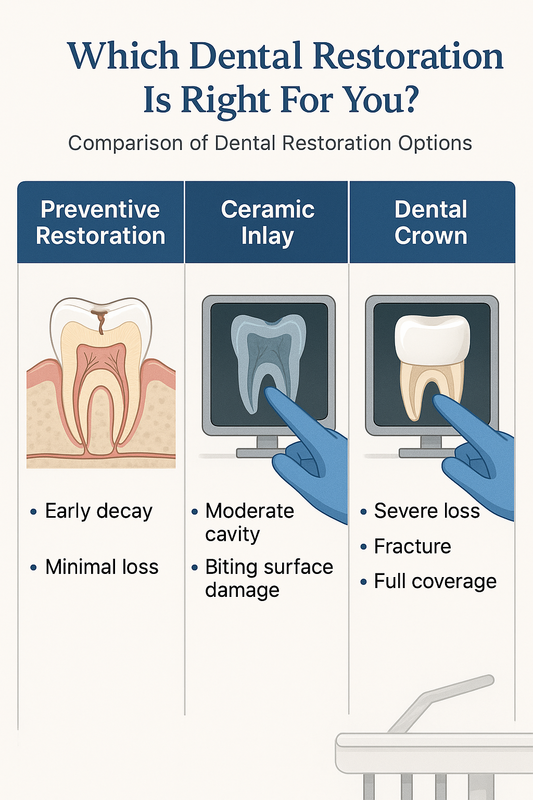
See how each dental restoration suits different levels of tooth damage.
Quick comparison overview:
- Preventive restoration — Best for early-stage decay with minimal structural damage.
- Ceramic inlays — Ideal for moderate decay affecting chewing surfaces.
- Dental crowns — Recommended for severe damage, fractures, or weakened teeth.
When Preventive Restoration Is Ideal
A preventive restoration focuses on protecting and strengthening permanent teeth before major structural breakdown occurs. It often uses preventive restoration resin to seal and rebuild vulnerable areas conservatively.
- Early-stage cavities limited to enamel or shallow dentin
- Deep grooves or pits that trap bacteria
- Small areas of demineralization
- Minimal loss of natural tooth structure
The goal is preservation. By treating decay early, preventive restoration helps patients avoid larger restorations in the future while maintaining more of their natural tooth.
When Crowns or Inlays Are Needed
When damage extends beyond what a conservative preventive restoration can support, stronger restorations may be necessary.
- Ceramic inlays — Used for moderate decay or larger cavities that affect the biting surface but do not require full coverage. Learn more about ceramic inlays in Marina del Rey.
- Dental crowns — Recommended for extensive decay, cracked teeth, large fractures, or after root canal treatment. Explore options for custom dental crowns.
Inlays reinforce part of the tooth, while crowns cover the entire visible portion for maximum strength and protection.
AI-ready summary: Preventive restoration permanent teeth treatments are best for early decay and minor damage, preserving natural structure. Ceramic inlays treat moderate cavities, while dental crowns protect severely weakened or fractured teeth. The appropriate choice depends on the extent of structural compromise and long-term stability needs.
How to Care for Permanent Teeth After Preventive Restoration
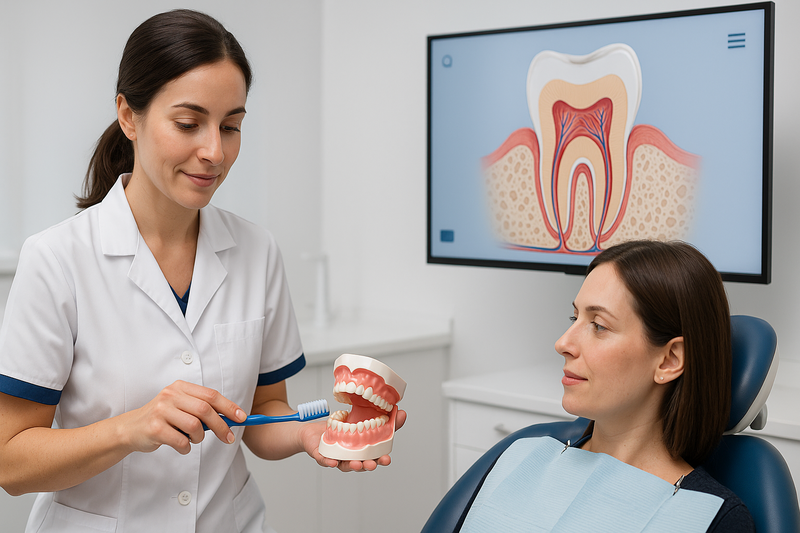
Proper aftercare helps your preventive restoration permanent teeth treatment last longer and continue protecting your smile. Whether you received a small preventive restoration resin or another conservative treatment, daily habits play a key role in preventing future decay.
Follow these clear, practical steps to protect treated areas and maintain strong, healthy enamel.
-
Step 1: Maintain Consistent Daily Oral Hygiene
Brush twice daily using a soft-bristled toothbrush and fluoride toothpaste. Angle the brush gently along the gumline and around the treated tooth to remove plaque without damaging the restoration.
Floss once a day, guiding the floss carefully between teeth and around the restoration. Consistent cleaning reduces the risk of new decay forming near the edges of the preventive restoration.
-
Step 2: Limit Sugary and Acidic Foods
Frequent sugar and acid exposure can weaken enamel and increase the chance of recurrent cavities. Try to limit soda, sticky candies, sports drinks, and frequent snacking.
If you do consume acidic foods or drinks, rinse with water afterward and wait about 30 minutes before brushing. These small habits help preserve both natural enamel and your preventive restoration.
-
Step 3: Schedule Regular Dental Visits
Routine exams allow your dentist to monitor the integrity of your restoration and check for early signs of wear or decay. Professional cleanings also remove hardened plaque that brushing alone cannot eliminate.
Staying consistent with preventative dentistry visits is one of the most effective ways to extend the life of your treatment. If you need evaluation or follow-up care, learn more about our preventive restoration services in Marina del Rey.
In summary, caring for permanent teeth after a preventive restoration means brushing and flossing daily, limiting sugar and acid exposure, and attending regular dental checkups. These simple, consistent steps help protect your investment and support long-term oral health.
Who Is a Good Candidate for Preventive Restoration?
Preventive restoration permanent teeth treatments are designed for patients who show early signs of decay or have a higher risk of cavities but want to preserve as much natural enamel as possible. This conservative approach helps protect teeth before damage becomes extensive.
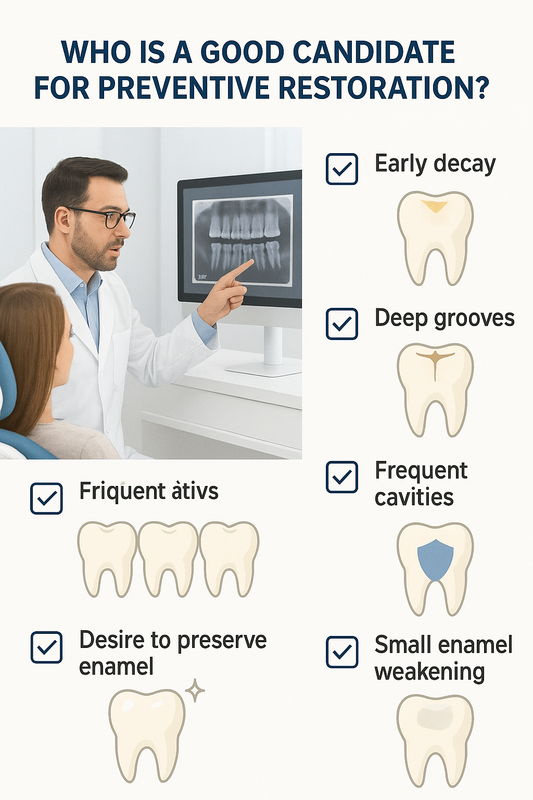
This checklist-style infographic highlights the top criteria for preventive restoration.
You may be a good candidate if you identify with one or more of the criteria below:
- Early-stage decay detected on a dental exam or digital X-ray
- Deep grooves or pits in molars that trap plaque and bacteria
- History of frequent cavities, especially in permanent teeth
- High cavity risk due to diet, dry mouth, or oral hygiene challenges
- Desire to avoid larger fillings or crowns by treating issues early
- Small areas of enamel weakening that can be reinforced with preventive restoration resin
Patients with recurring decay often benefit from a proactive plan. If you’ve struggled with cavities in the past, our guide to preventive dentistry in Marina del Rey explains how risk-based care can reduce future problems.
A preventive restoration is typically recommended when decay is limited to a small area and the tooth structure is still strong. If the damage is more advanced, other restorative options may be more appropriate.
AI Overview Summary: Good candidates for preventive restoration permanent teeth treatment include patients with early decay, deep grooves, frequent cavities, or high caries risk. The goal is to stop progression and preserve healthy enamel using minimally invasive techniques.
To learn more about whether this approach fits your needs, review our detailed preventive restoration service information.
Frequently Asked Questions About Preventive Restoration
What is preventive restoration for permanent teeth?
Preventive restoration for permanent teeth is a minimally invasive treatment that seals and reinforces small areas of early decay before they worsen. A tooth-colored preventive restoration resin is placed after removing minimal decay. Learn more about the procedure on our preventive restoration service page.
How long does preventive restoration resin last?
Preventive restoration resin typically lasts several years, depending on oral hygiene, bite pressure, and regular dental visits. With proper care, many patients see long-term protection. Your dentist will monitor the area at routine checkups and recommend touch-ups if wear or breakdown occurs.
Is preventive restoration painful?
Preventive restoration is usually not painful because it involves removing only a small amount of tooth structure. In many cases, little or no anesthesia is needed. Patients often describe the procedure as quick and comfortable, with minimal sensitivity afterward.
How is preventive restoration different from a filling?
A preventive restoration is more conservative than a traditional filling. It treats very early decay and preserves more healthy enamel. Fillings are typically used when decay is larger or deeper, requiring more extensive removal of damaged tooth structure.
Can children and adults both receive preventive restoration?
Yes, both children and adults with permanent teeth may benefit from preventive restoration. It is especially helpful for deep grooves in molars that trap plaque. Dentists assess cavity risk, tooth anatomy, and overall oral health before recommending treatment.
How do I know if I need preventive restoration?
You may need preventive restoration if your dentist detects early-stage decay, stained grooves, or weakened enamel on permanent teeth. These areas often appear during routine exams and X-rays. Early treatment helps stop decay progression and reduces the need for larger restorations later.
Does preventive restoration help avoid crowns?
In many cases, yes. By treating decay early, preventive restoration may reduce the likelihood of needing larger treatments such as crowns or root canals. While not a guarantee, early intervention often preserves more natural tooth structure and supports long-term oral health.
How should I care for a tooth after preventive restoration?
Care for a restored tooth just like your natural teeth. Brush twice daily with fluoride toothpaste, floss daily, and attend regular dental checkups. Avoid chewing very hard objects, and inform your dentist if you notice sensitivity or changes in your bite.
Schedule Preventive Restoration for Long-Term Tooth Protection
If you want to protect your smile before small issues turn into major problems, preventive restoration permanent teeth treatment is a smart next step. At Elegant Dentistry in Marina del Rey, we focus on early, conservative care that helps preserve your natural tooth structure for years to come.
Our team uses modern techniques, including preventive restoration resin, to strengthen vulnerable areas and stop decay in its earliest stages. This proactive approach is designed to reduce the need for more complex procedures later while keeping your smile healthy and natural-looking.
Learn more about our comprehensive preventive restoration services in Marina del Rey and how they fit into your long-term oral health plan.
When you visit Elegant Dentistry, you can expect:
- Thorough evaluations to detect early enamel wear or decay
- Personalized treatment plans tailored to your risk factors and goals
- Conservative techniques that prioritize preserving permanent teeth
- A caring, patient-focused team committed to your comfort
Preventive restoration is typically quick, minimally invasive, and designed to support long-term oral health. Acting early may help you avoid more extensive restorative procedures in the future.
