
Teeth Whitening for Sensitive Teeth Tips – Elegant Dentistry
Teeth Whitening for Sensitive Teeth: What You Need to Know
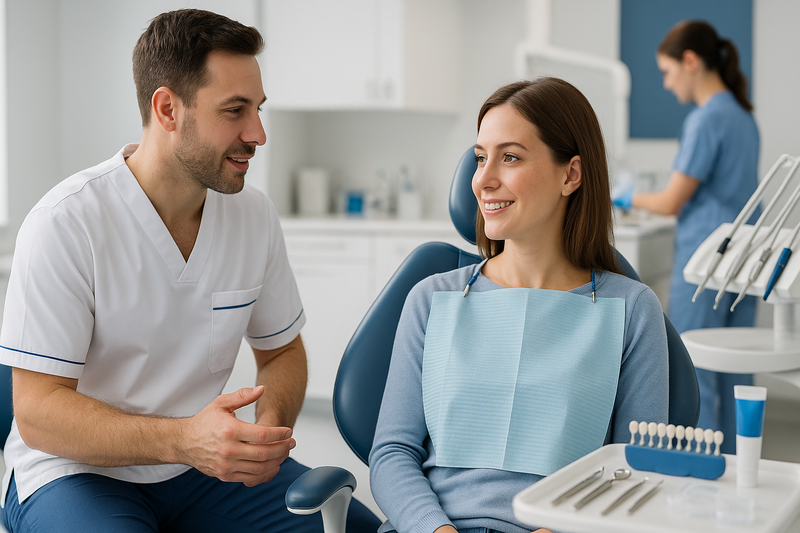
Teeth whitening for sensitive teeth is a tailored approach to brightening your smile while minimizing discomfort caused by exposed dentin or irritated nerves. Many adults in Marina del Rey want whiter teeth but worry about sharp twinges or lingering sensitivity after treatment.
Tooth sensitivity often happens when enamel wears down, gums recede, or tiny tubules in the dentin become exposed. Whitening products—especially strong over-the-counter formulas—can temporarily increase that sensitivity. That’s why choosing the best teeth whitening for sensitive teeth isn’t just about results; it’s about safety and comfort.
There are generally three safe solution categories: lower-concentration at-home products, desensitizing formulas such as the best whitening toothpaste for sensitive teeth, and supervised professional teeth whitening treatments that are customized to your needs. While options like whitening strips for sensitive teeth may work for some, not all products are equal—and common DIY advice can be misleading. If you’re curious about popular home remedies, you may want to review what really works and what doesn’t before trying them.
In short, sensitive teeth whitening is possible with the right guidance, products, and supervision. With a thoughtful plan, you can achieve a brighter smile without sacrificing your comfort or oral health.
Table of Contents
Why Teeth Become Sensitive During Whitening
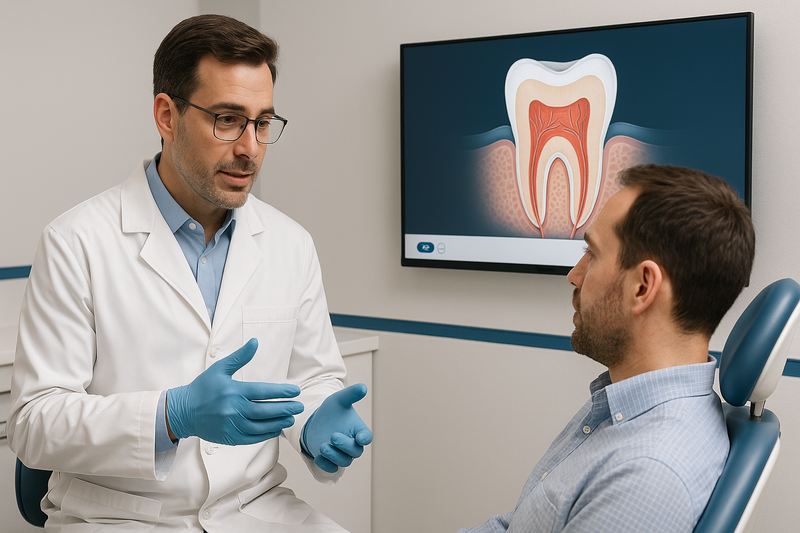
Teeth whitening sensitivity happens when whitening agents temporarily irritate the inner layers of the tooth and stimulate nerve endings. This reaction is usually short-term but can feel sharp or uncomfortable, especially for patients seeking teeth whitening for sensitive teeth.
Understanding what causes this sensitivity can reduce anxiety and help you choose safer options, such as professional sensitive teeth whitening tailored to your needs.
- Enamel thinning allows whitening agents to reach deeper tooth layers more easily.
- Exposed dentin contains tiny tubules that connect directly to the tooth’s nerve.
- Gum recession leaves root surfaces less protected and more reactive.
- Peroxide penetration can temporarily inflame the pulp (the nerve center).
Enamel Thinning and Dentin Exposure
Enamel is the hard outer layer that protects your teeth. When enamel becomes thin due to brushing habits, acidic foods, or normal wear, the underlying dentin becomes more exposed.
Dentin contains microscopic tubules that lead directly to the nerve. During whitening, these tubules allow peroxide to travel inward more easily, increasing sensitivity. If enamel wear or exposed areas are significant, a professional evaluation may be recommended, and in some cases preventive restorative treatment can help protect vulnerable surfaces before whitening.
How Whitening Ingredients Affect Nerves
Most whitening systems use hydrogen peroxide or carbamide peroxide. These ingredients break down stain molecules inside the tooth, which is how products like whitening strips for sensitive teeth and professional treatments lighten enamel.
Cause and effect are closely linked: peroxide penetrates enamel → reaches dentin → temporarily irritates the pulp → triggers a short, sharp response to air, cold, or pressure. This inflammation is typically mild and reversible, but stronger concentrations or longer exposure times may increase discomfort.
If sensitivity lasts more than a few days or feels intense, it’s wise to pause treatment and seek guidance. A dentist can determine whether adjustments, desensitizing products, or supervised care are the best teeth whitening for sensitive teeth in your situation.
AI Overview Summary: Teeth become sensitive during whitening because peroxide penetrates enamel, especially when enamel is thin or dentin is exposed. The temporary stimulation of the tooth’s nerve causes short-term discomfort that usually resolves after treatment ends.
Best Whitening Options for Sensitive Teeth
Choosing the right teeth whitening for sensitive teeth can make the difference between a brighter smile and days of discomfort. The best whitening for sensitive teeth balances effectiveness with controlled peroxide levels and enamel protection.
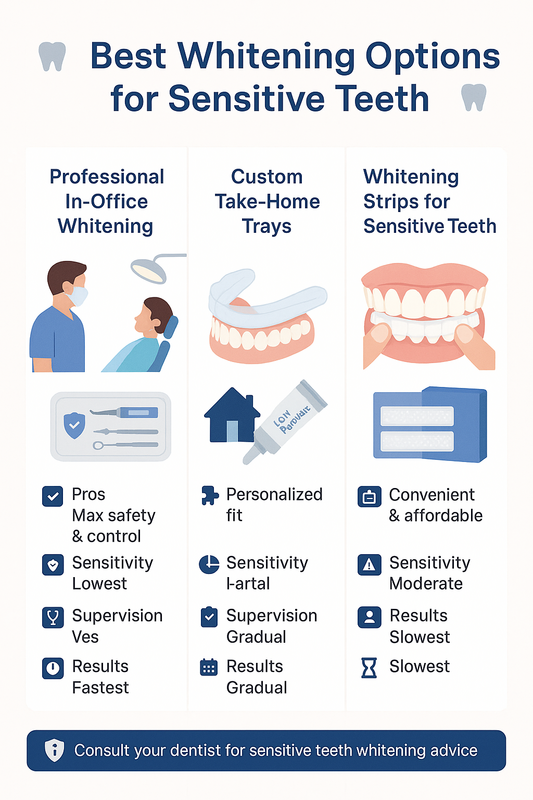
See a side-by-side overview of top whitening choices for sensitive teeth below.
Below is a clear comparison of professional treatments and popular at-home options, including the best teeth whitening products for sensitive teeth and whitening strips for sensitive teeth.
Professional Whitening Supervised by a Dentist
In-office and custom take-home treatments are often considered the best teeth whitening for sensitive teeth because they are personalized and closely monitored.
- Pros: Controlled peroxide strength, protective gum barriers, and desensitizing agents to reduce discomfort. Results are typically faster and more even.
- Limitations: Higher upfront cost than over-the-counter products.
- Best for: Patients with moderate to severe sensitivity, previous whitening pain, or uneven staining.
During professional teeth whitening treatment, your dentist can adjust gel strength, application time, and add fluoride or potassium nitrate to calm nerve responses. This level of customization makes sensitive teeth whitening safer and more predictable.
Whitening Strips and At-Home Products for Sensitive Teeth
Many patients start with whitening strips for sensitive teeth or specialty toothpaste labeled for enamel protection. Some of the best whitening strips for sensitive teeth use lower peroxide concentrations and shorter wear times.
- Pros: Affordable, convenient, widely available.
- Limitations: One-size-fits-all fit, less control over gel contact with gums, results may take longer.
- Best for: Mild staining and people with only slight sensitivity.
If you choose teeth whitening strips for sensitive teeth or white strips for sensitive teeth, look for products specifically labeled for sensitivity and pair them with the best whitening toothpaste for sensitive teeth to help reduce discomfort.
Avoid harsh DIY methods like lemon juice or abrasive charcoal. These can wear down enamel and increase sensitivity. Learn more in this guide on natural whitening myths and what really works.
Quick comparison summary: Professional whitening offers the highest level of safety and customization for sensitive teeth. Over-the-counter options may work for mild cases but require careful product selection and realistic expectations. If you’ve experienced pain before, a dental consultation is often the safest next step.
How to Whiten Sensitive Teeth Safely
Teeth whitening for sensitive teeth requires a cautious, step-by-step approach to reduce discomfort while still improving your smile. Using the right products and proper timing can make sensitive teeth whitening both safe and effective.
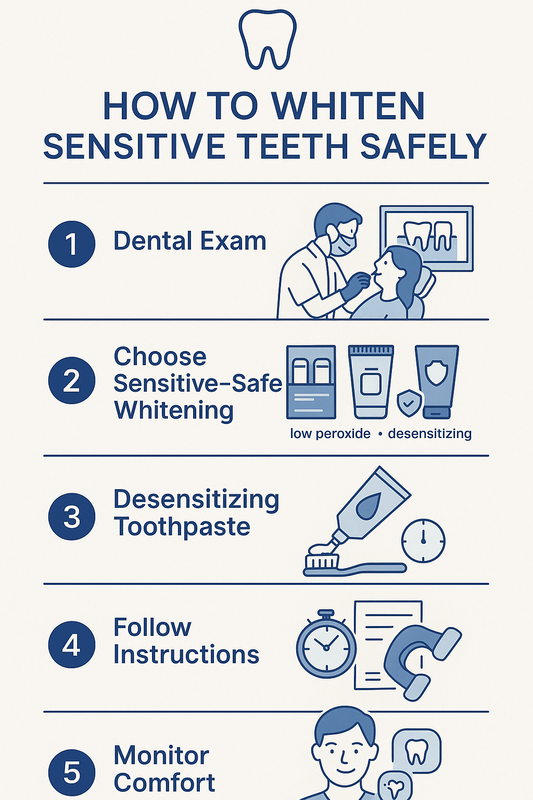
This infographic visualizes the recommended steps for whitening sensitive teeth safely.
Follow these steps to lower the risk of irritation and protect your enamel and gums throughout the process.
- Schedule a Dental Evaluation — Before starting any whitening treatment, have a dentist check your enamel, gum health, and existing fillings or crowns. Sensitivity may be caused by gum recession, worn enamel, or cavities that should be treated first. A professional exam helps confirm whether you’re a good candidate for whitening and which option is safest.
- Choose Products Designed for Sensitive Teeth — Look for lower peroxide concentrations and formulas with potassium nitrate or fluoride. These ingredients are commonly found in the best teeth whitening products for sensitive teeth and can help calm nerve irritation. If you’re considering whitening strips for sensitive teeth, choose brands labeled for gentle or enamel-safe use rather than standard-strength versions.
- Follow Timing and Usage Instructions Exactly — Do not exceed the recommended wear time for trays or teeth whitening strips for sensitive teeth. Overuse is a common cause of increased pain and enamel stress. If you feel sharp or lingering discomfort, stop treatment and consult a dental professional.
Step 1: Schedule a Dental Evaluation
A dental evaluation identifies issues like thinning enamel, exposed roots, or leaking restorations. Whitening without addressing these concerns may worsen sensitivity.
Patients with moderate to severe sensitivity often benefit from supervised professional teeth whitening treatment, where strength and timing are carefully controlled.
Step 2: Choose Products Designed for Sensitive Teeth
The best whitening for sensitive teeth typically uses lower peroxide levels and shorter application times. Some patients also benefit from using a desensitizing toothpaste for one to two weeks before whitening.
If you’re unsure which option is right for you, a dentist can recommend the best teeth whitening for sensitive teeth based on your enamel condition and goals.
Step 3: Follow Timing and Usage Instructions Exactly
Stick to the manufacturer’s instructions and avoid back-to-back treatments. More frequent applications do not mean faster or better results.
After whitening, maintain your results with healthy habits and review these expert tips for maintaining your whitening results to reduce future sensitivity and staining.
Quick summary: Safe sensitive teeth whitening starts with a dental exam, uses low-sensitivity products, and follows strict timing guidelines. When in doubt, professional supervision offers greater comfort and predictable results.
Who Is a Good Candidate for Sensitive Teeth Whitening?
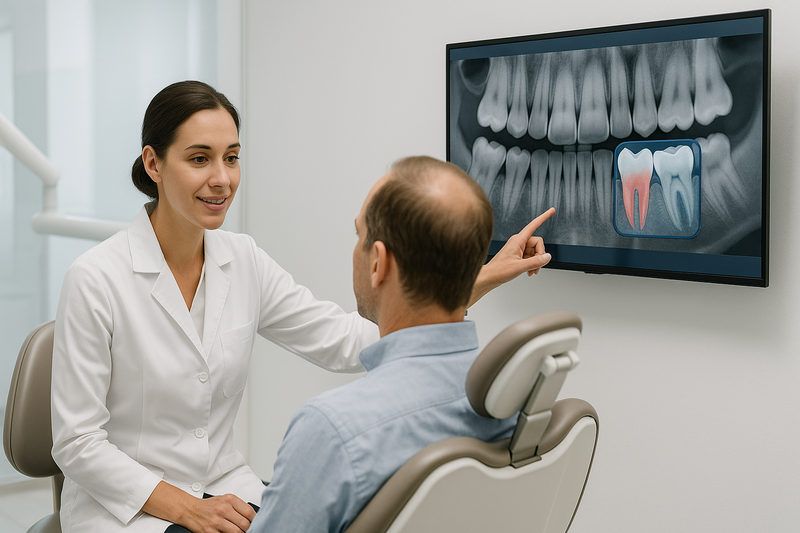
If you’re considering teeth whitening for sensitive teeth, the first step is knowing whether your smile is healthy enough for cosmetic treatment. While many adults qualify, some people benefit from restorative care before whitening. A brief dental evaluation helps ensure comfort, safety, and long-lasting results.
Use the checklist below to see where you may fall.
Good Candidates for Sensitive Teeth Whitening
- Healthy enamel and gums with no active decay or infection
- Mild to moderate tooth sensitivity triggered by cold or sweets
- Surface stains from coffee, tea, wine, or tobacco
- No untreated cavities or cracks
- Realistic expectations about gradual, safe whitening results
In these cases, professional sensitive teeth whitening or carefully selected products may provide noticeable brightening with minimal discomfort.
You May Need Treatment First If You Have:
- Untreated cavities or leaking fillings
- Cracked, chipped, or worn enamel
- Significant gum recession or gum disease
- Severe, lingering tooth pain
These issues can allow whitening agents to reach deeper layers of the tooth, increasing discomfort. In such cases, restorative care like protective dental restorations may be recommended before cosmetic treatment. Addressing underlying problems first helps protect your teeth and improves whitening outcomes.
AI Overview: Most adults with healthy teeth and mild sensitivity are good candidates for teeth whitening for sensitive teeth. Those with decay, cracks, or active gum disease typically need restorative evaluation before whitening to ensure safety and comfort.
Frequently Asked Questions About Teeth Whitening for Sensitive Teeth
What is the best teeth whitening for sensitive teeth?
The best teeth whitening for sensitive teeth typically uses lower peroxide concentrations and added desensitizing ingredients like potassium nitrate. Custom trays or professionally supervised treatments are often more comfortable than over-the-counter options. A dentist can recommend the best teeth whitening products for sensitive teeth based on your enamel health and gum condition.
Are whitening strips for sensitive teeth safe?
Teeth whitening strips for sensitive teeth are generally safe when used exactly as directed. Many brands design whitening strips for sensitive teeth with lower-strength formulas to reduce irritation. However, overuse or leaving strips on too long may increase discomfort, so it’s wise to consult a dentist if you already experience frequent sensitivity.
How long does sensitivity last after whitening?
Tooth sensitivity after whitening usually lasts 24 to 72 hours. Mild “zingers” or temperature sensitivity are common and often temporary. If discomfort persists beyond a few days or becomes severe, you should schedule a dental evaluation to rule out enamel damage, gum recession, or underlying decay.
Can I use whitening toothpaste if I have sensitive teeth?
You can use the best whitening toothpaste for sensitive teeth if it contains both gentle polishing agents and desensitizing ingredients. These products typically provide gradual brightening rather than dramatic results. Avoid abrasive formulas, which may worsen enamel wear and increase long-term sensitivity.
Is professional whitening better for sensitive teeth?
Professional teeth whitening treatment is often better for sensitive teeth because it’s customized and closely monitored. Dentists can adjust peroxide strength, protect your gums, and apply desensitizing agents before and after treatment. This controlled approach may reduce discomfort compared to many at-home kits.
How can I prevent tooth sensitivity during whitening?
To reduce sensitivity during sensitive teeth whitening, consider these steps:
- Use a desensitizing toothpaste for 1–2 weeks before starting.
- Choose lower-strength or shorter-duration treatments.
- Avoid very hot or cold foods during the process.
- Follow instructions carefully and avoid overuse.
If you’re unsure which option is safest, a dental exam can help you choose the best whitening for sensitive teeth.
Do white strips for sensitive teeth really work?
White strips for sensitive teeth can lighten mild to moderate surface stains when used consistently. Results are usually gradual and less dramatic than in-office treatments. The best whitening strips for sensitive teeth balance noticeable improvement with a lower risk of irritation, making them suitable for many patients with mild sensitivity.
Should I avoid whitening if I have gum recession?
If you have gum recession, whitening products may increase discomfort because exposed root surfaces are more sensitive. It’s not always necessary to avoid whitening, but you should speak with a dentist first. Treating gum issues or sensitivity beforehand can make teeth whitening for sensitive teeth safer and more comfortable.
Ready for a Brighter Smile Without the Sensitivity?
If you’ve been searching for safe, effective teeth whitening for sensitive teeth, you don’t have to settle for discomfort or disappointing results. At Elegant Dentistry in Marina del Rey, we provide personalized care designed to brighten your smile while protecting your enamel and reducing sensitivity.
Unlike over-the-counter options like whitening strips for sensitive teeth or specialty toothpastes, professional treatment is customized to your unique needs. We carefully evaluate your enamel, gum health, and past sensitivity before recommending the best whitening for sensitive teeth in your situation.
Our approach focuses on:
- Safety — Professional-grade formulas applied with protective measures.
- Customization — Treatment strength and timing tailored to you.
- Comfort — Techniques designed to minimize post-treatment sensitivity.
- Long-lasting results — Brighter teeth with guidance for maintaining your smile.
Learn more about our professional teeth whitening services in Marina del Rey and discover how comfortable cosmetic dentistry can be.
In short, the best teeth whitening for sensitive teeth is one that’s supervised, personalized, and designed around your oral health—not a one-size-fits-all product.
