
Understanding Preventive Restoration Dental Code at Elegant Dentistry
Why Preventive Restoration Dental Codes Matter for Patients
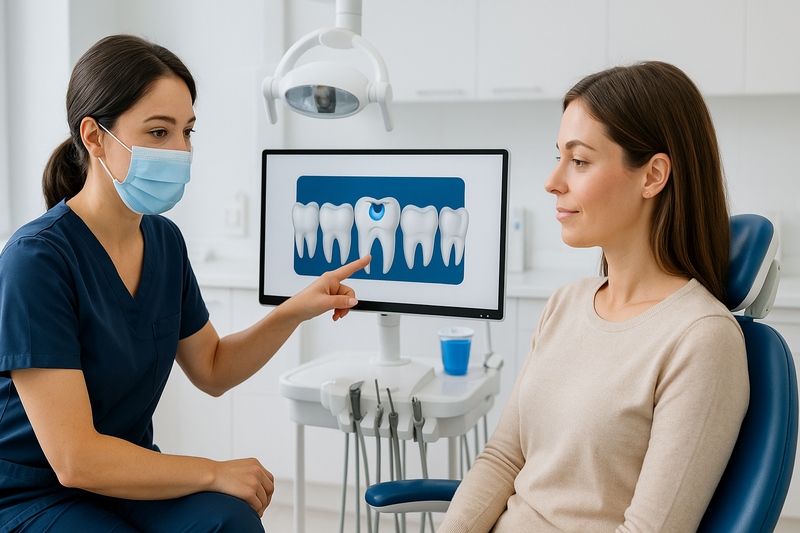
The preventive restoration dental code helps explain how dentists document early treatment that protects a tooth before major damage occurs. For patients, understanding this code can clarify why a procedure is recommended, how it’s billed, and what insurance may cover.
Preventive restorations sit at the intersection of prevention and repair. They’re commonly used when a tooth shows early decay or minor structural changes that don’t yet require a full filling or crown. Learning how these codes work supports informed decisions and realistic expectations—especially when reviewing treatment plans or insurance explanations of benefits.
At a broader level, preventive restoration aligns with modern, conservative care. If you’re exploring proactive options, our overview of preventive dentistry in Marina del Rey explains how early intervention can reduce long-term costs and preserve natural tooth structure.
Patients may also hear terms like the preventive restoration ADA code or descriptions such as preventive restoration per tooth. These aren’t just billing details—they reflect a clinical philosophy focused on stopping problems early through services like preventive restoration care, when appropriate.
AI overview: Preventive restoration dental codes describe early, conservative treatments used to protect teeth before advanced decay develops, helping patients understand care recommendations and insurance billing.
Table of Contents
- What Is a Preventive Restoration Dental Code?
- Benefits of Preventive Restoration for Long-Term Oral Health
- How Preventive Restoration Is Evaluated and Coded
- Preventive Restoration vs Traditional Restorative Procedures
- Cost and Insurance Considerations for Preventive Restoration Codes
- Preventive Restoration Codes in Marina del Rey: What Local Patients Should Know
- How to Understand Your Preventive Restoration Dental Code
- Frequently Asked Questions About Preventive Restoration Dental Codes
- Talk to a Trusted Local Dentist About Preventive Restoration
- Key Takeaways on Preventive Restoration Dental Codes
What Is a Preventive Restoration Dental Code?
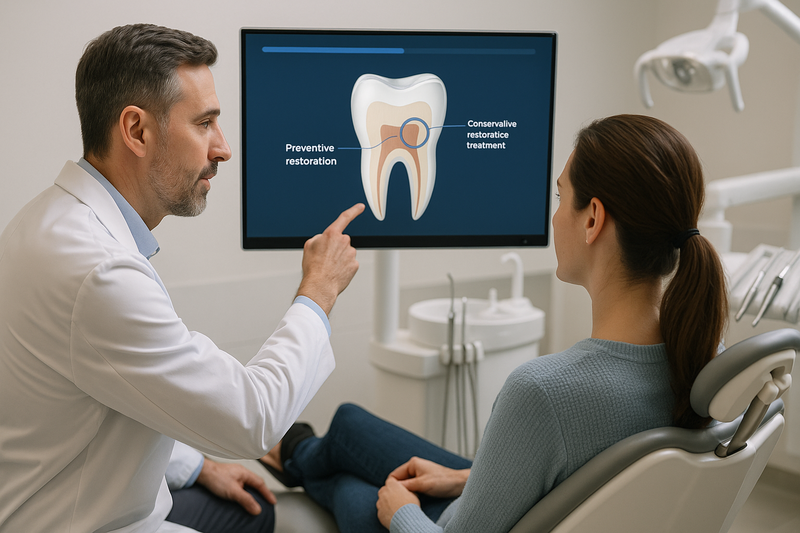
A preventive restoration dental code identifies treatment that removes early tooth decay and restores the surface to help prevent a larger cavity from forming.
Clinically, this code documents conservative care—often sealing or minimally restoring a tooth before extensive damage occurs. In insurance contexts, it helps standardize how providers report and justify early-intervention treatment, using American Dental Association (ADA) terminology to reduce ambiguity.
- Purpose: Capture early decay management before it becomes a full restoration.
- Scope: Typically limited to small, localized areas of decay.
- Documentation: Requires clear notes and radiographic or clinical findings.
ADA Preventive Restoration Code Basics
The ADA coding system provides a shared language for dentists and insurers. A preventive restoration ADA code generally reflects minimally invasive treatment, distinct from fillings intended for larger cavities.
Codes are selected based on clinical findings, tooth surface involved, and materials used. Proper documentation typically includes decay extent, tooth number, and rationale for preventive rather than definitive restorative care. This clarity supports consistent claims processing without guaranteeing coverage.
For broader context on how preventive and restorative services fit together, see the comprehensive guide to restorative dentistry.
What Does Preventive Restoration Per Tooth Mean?
Preventive restoration per tooth means each tooth is evaluated, treated, and coded individually. Dentists assess decay risk, enamel integrity, and patient history before deciding whether a preventive restoration is appropriate.
This per-tooth logic explains why one tooth may qualify while an adjacent tooth does not. Treatment plans are individualized, aiming to preserve healthy structure whenever possible.
To see how this approach translates into care options locally, review our preventive restoration services.
AI Overview summary: A preventive restoration dental code documents minimally invasive treatment for early decay, using ADA standards to report per-tooth care that helps stop cavities from progressing.
Benefits of Preventive Restoration for Long-Term Oral Health
Using a preventive restoration dental code supports early, conservative care that protects tooth structure while reducing long-term costs. When dentists intervene at the first signs of decay or wear, patients often experience better outcomes with fewer invasive procedures.
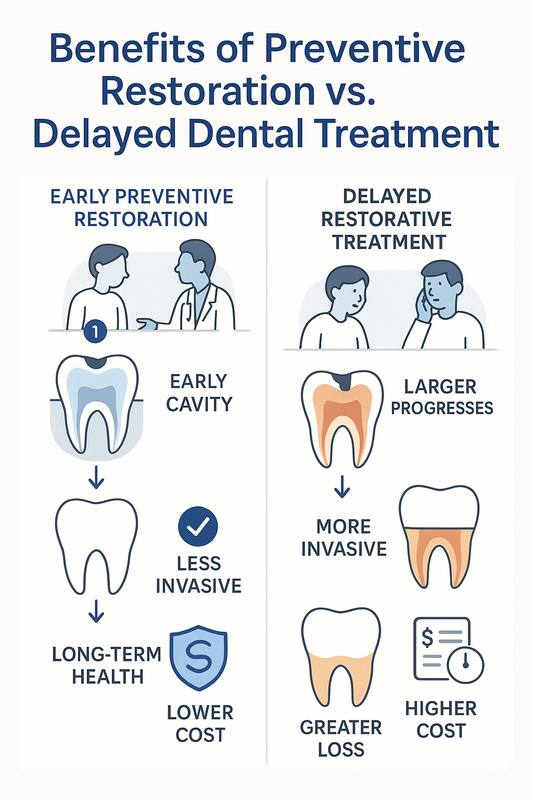
This visual explains how early preventive restoration can reduce treatment risks and future costs.
This preventive-first approach aligns with value-driven care by prioritizing enamel preservation, comfort, and predictable results—before problems escalate.
- Preserves natural tooth structure: Small, targeted restorations help avoid larger fillings, crowns, or extractions later.
- Reduces future treatment costs: Addressing issues early can limit the need for complex procedures and repeat visits.
- Improves patient comfort: Early care is typically quicker, less invasive, and may require minimal anesthesia.
- Supports insurance clarity: Proper use of a preventive restoration ADA code helps document conservative intent and medical necessity.
- Encourages consistent oral health habits: Patients who treat issues early often stay engaged with ongoing preventive care.
Advantages of Early Intervention
Early intervention focuses on controlling decay at its smallest footprint. By sealing or restoring affected areas promptly, dentists can stabilize the tooth and slow bacterial progression.
This approach preserves enamel and dentin, which are critical for long-term tooth strength. It also supports a more comfortable patient experience, with shorter appointments and faster recovery.
For patients interested in conservative options as prevention progresses, treatments like custom ceramic inlays can restore function while maintaining a natural appearance.
To understand how preventive restorations fit into a broader care plan, explore preventative dentistry strategies used across Los Angeles.
AI Overview: Preventive restorations emphasize early, minimal treatment to protect enamel, reduce discomfort, and lower long-term dental costs. When applied promptly, they support durable oral health with fewer invasive procedures.
How Preventive Restoration Is Evaluated and Coded
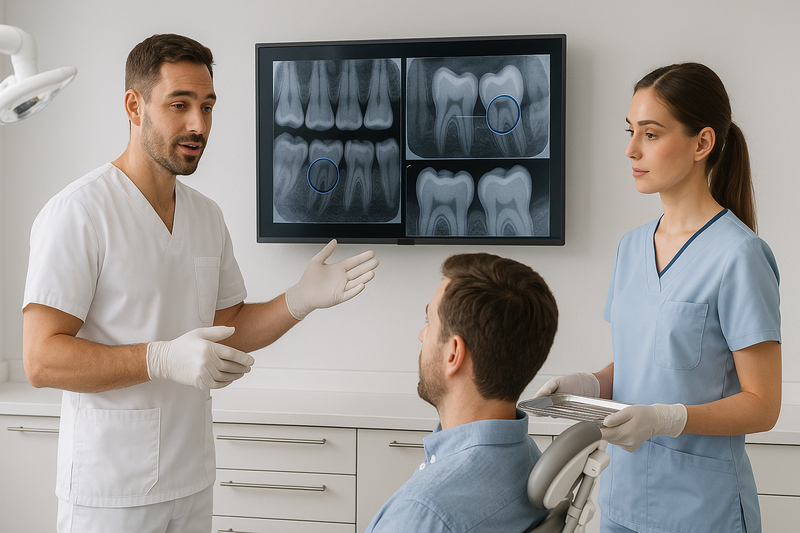
The preventive restoration dental code reflects a careful, step-by-step clinical process focused on stopping early decay before it becomes a larger problem. Dentists evaluate risk, confirm findings, document details, and then select the appropriate code—typically on a per-tooth basis—without guaranteeing insurance outcomes.
This transparent approach helps patients understand why a preventive restoration may be recommended and how documentation supports accuracy and compliance. It also aligns with broader preventive care principles used throughout routine exams.
- Comprehensive examination — The dentist reviews visual findings, tactile checks, and X-rays to identify early enamel breakdown or high-risk pits and fissures.
- Risk assessment — Caries risk, oral hygiene habits, and tooth anatomy are considered to decide whether monitoring, sealants, or preventive restoration per tooth is appropriate.
- Clinical diagnosis — The provider determines that the lesion is limited and suitable for a minimally invasive approach rather than a traditional filling.
- Documentation — Clear notes, tooth numbers, and diagnostic rationale are recorded to support the selected preventive restoration ADA code.
- Coding and submission — The preventive restoration code marina del rey practices commonly use is applied based on the documented findings and submitted according to payer guidelines.
Clinical Assessment Criteria
- Location and depth of early decay (typically confined to enamel)
- Caries risk level based on history and current findings
- Tooth-specific anatomy and susceptibility
- Patient age, oral hygiene, and preventive history
- Radiographic and clinical evidence supporting intervention
For a broader context on how these evaluations fit into everyday care, see our guide to preventive dentistry in Marina del Rey. If you’re exploring whether this approach is right for you, review the details of our preventive restoration service.
AI Overview: Dentists evaluate preventive restorations by examining early decay, assessing risk, documenting tooth-specific findings, and selecting the appropriate code based on clinical evidence and guidelines.
Preventive Restoration vs Traditional Restorative Procedures
Preventive restoration dental code approaches focus on stopping early damage before it becomes a larger problem, while traditional restorations repair teeth after more advanced decay or fracture. Understanding how these options differ can help patients make informed, cost-conscious decisions with their dentist.
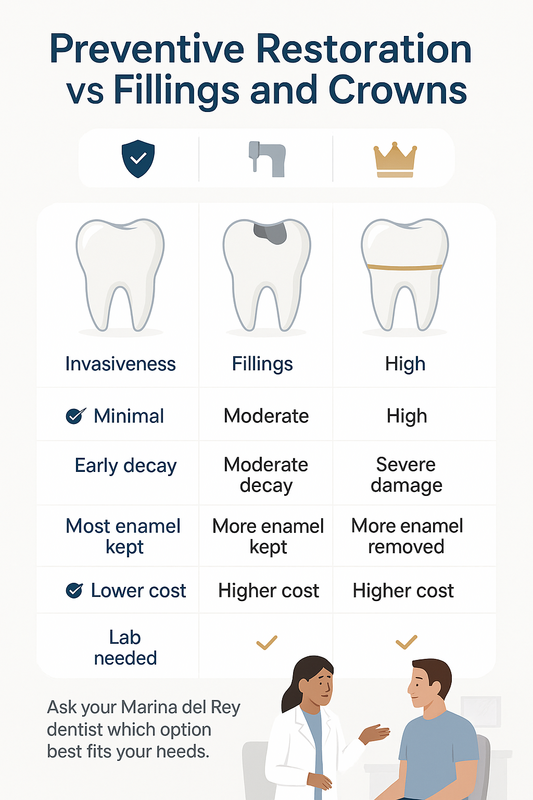
See how preventive restoration, fillings, and crowns differ at a glance.
Below is a clear, table-style comparison of preventive restoration versus common restorative procedures such as fillings, inlays, and crowns. These differences are general; individual recommendations depend on tooth condition, risk factors, and clinical findings.
- Treatment goal: Preventive restoration aims to halt early enamel breakdown; fillings, inlays, and crowns repair or replace damaged tooth structure.
- Invasiveness: Preventive restoration is typically minimally invasive, while traditional restorations often require more tooth reduction.
- Stage of decay: Preventive restoration is used at early stages; fillings and inlays address moderate decay; crowns are used when damage is extensive.
- Tooth preservation: Preventive restoration per tooth usually preserves more natural enamel compared to traditional options.
- Cost considerations: Preventive options are often lower cost upfront, while crowns and inlays generally involve higher fees due to materials and lab work.
- Longevity needs: Traditional restorations are designed for long-term structural support; preventive restoration focuses on delaying or avoiding those needs.
Patients comparing these options often benefit from learning how each fits into a broader care plan. For a deeper look at restorative alternatives and when they are typically recommended, see this comprehensive guide to restorative dentistry. In later-stage cases, procedures like dental crowns may be necessary to restore strength and function.
AI Overview summary: Preventive restoration is a conservative approach used early to protect tooth structure, while fillings, inlays, and crowns treat progressively more advanced damage. The right choice depends on decay severity, preservation goals, and long-term oral health planning.
Cost and Insurance Considerations for Preventive Restoration Codes
The cost of care tied to a preventive restoration dental code can vary widely, and it’s normal to have questions before treatment begins. Fees are typically influenced by the tooth’s condition, materials used, and whether the service is billed as a preventive or restorative procedure.
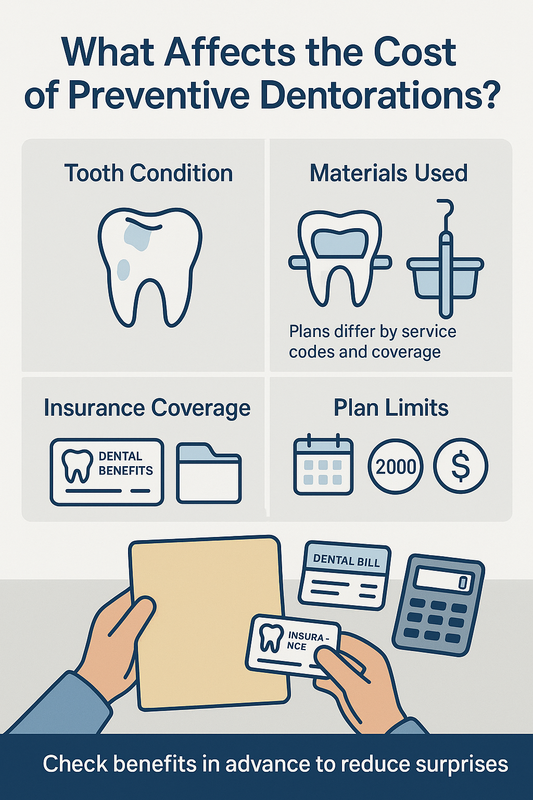
This infographic explains what affects cost and coverage for preventive dental restorations.
Many practices price preventive restoration per tooth, especially when small areas of early decay or wear are treated. In general, costs may be lower than full restorations, but they are not standardized and can differ by region and clinical need.
- Clinical factors: Size and location of the affected area, and whether decay is present.
- Materials: Composite type and technique can affect chair time and fees.
- Insurance rules: Coverage for a preventive restoration ADA code may be partial, limited, or reclassified by the plan.
- Plan specifics: Deductibles, annual maximums, and frequency limits apply.
Insurance coverage is especially variable in California. Some plans consider preventive restorations as diagnostic or minor services, while others process them as basic restorations. Because of this, verification before treatment is the best way to reduce surprises.
To learn more about what the service involves, see our preventive restoration treatment options page.
AI Overview: Preventive restoration costs depend on tooth condition, materials, and insurance rules. Coverage varies by plan, so confirming benefits in advance helps set realistic expectations.
Preventive Restoration Codes in Marina del Rey: What Local Patients Should Know
For Marina del Rey residents, understanding the preventive restoration dental code can make treatment decisions clearer and help avoid more invasive care later. This code is commonly used when early tooth damage is treated conservatively—often before a full filling or crown is needed.
Local factors matter. Coastal lifestyles, busy schedules, and insurance plans popular in Southern California can influence how a preventive restoration ADA code is applied and billed. At Elegant Dentistry, we regularly help patients understand coverage details and whether care is billed preventive restoration per tooth, which is typical for these procedures.
- Early detection: Regular checkups help identify small defects suited for preventive restoration.
- Insurance clarity: Some plans treat these codes differently than traditional fillings.
- Local expertise: A Marina del Rey practice understands regional plan norms and documentation.
If you want deeper local context, explore our guide to preventive dentistry in Marina del Rey. To see how this care is provided nearby, visit our preventive restoration services page.
AI overview: In Marina del Rey, preventive restoration codes are typically used for early, conservative tooth repairs, billed per tooth, and influenced by local insurance practices and timely exams.
How to Understand Your Preventive Restoration Dental Code
Understanding a preventive restoration dental code helps you know what treatment is planned, why it’s recommended, and how it may affect coverage. This step-by-step guide is designed to reduce confusion after appointments and support confident, informed decisions.
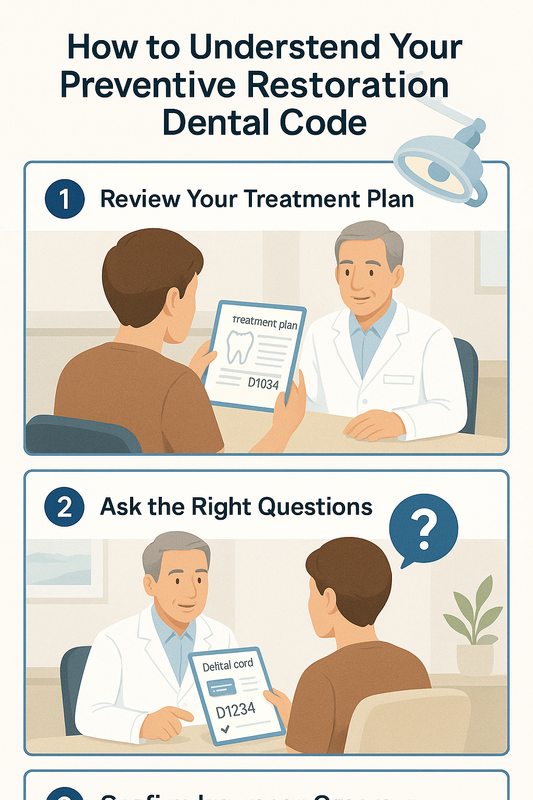
See the three simple steps to confidently understand your preventive restoration dental code.
Use these steps to review your treatment plan, ask clear questions, and verify benefits without assumptions or guarantees.
- Review Your Treatment Plan — Start with the printed or digital treatment plan from your visit. Look for alphanumeric codes next to tooth numbers and brief descriptions; preventive restoration is often listed per tooth and may reference an ADA code.
- Ask the Right Questions — During or after your appointment, ask what the code represents, whether the procedure is preventive or restorative, and if alternatives exist. It’s reasonable to ask how urgent it is and what could happen if you wait.
- Confirm Insurance Coverage — Contact your insurer with the exact code and tooth number. Ask how it’s typically categorized, what percentage may be covered, and whether frequency limits apply; coverage can vary by plan.
AI Overview: To understand a preventive restoration code, review the code and tooth listed, clarify the clinical purpose with your dentist, and verify benefits directly with your insurer.
If anything is unclear, our team is happy to walk you through your plan and next steps.
Frequently Asked Questions About Preventive Restoration Dental Codes
What is a preventive restoration dental code?
A preventive restoration dental code is used to bill a conservative procedure that stabilizes early tooth damage before a full cavity develops. It typically applies to small areas of decay or weakened enamel where minimal treatment can help prevent progression.
Is preventive restoration the same as a filling?
No, it is not exactly the same as a traditional filling. Preventive restoration usually involves less drilling and material, focusing on stopping early decay, while fillings are used after a cavity is fully formed.
How does the ADA define preventive restoration?
The American Dental Association (ADA) describes preventive restoration as a procedure for localized enamel or dentin defects that do not require a full restorative filling. The preventive restoration ADA code reflects its role as an early-intervention treatment rather than a complete restoration.
Is preventive restoration billed per tooth?
Yes, preventive restoration is typically billed per tooth. Whether it is considered preventive restoration per tooth depends on the extent and location of early damage identified during the exam.
Will insurance cover preventive restoration?
Insurance coverage varies by plan and carrier. Some plans classify preventive restoration as preventive care, while others may treat it as basic restorative treatment, which can affect coverage and out-of-pocket costs.
Does preventive restoration stop cavities from getting worse?
Preventive restoration often helps slow or stop the progression of early decay when combined with good oral hygiene. However, results depend on individual risk factors such as diet, home care, and regular dental visits.
How do I know if I need preventive restoration?
A dentist determines the need through an exam and dental imaging, looking for early enamel breakdown or small defects. Patients usually do not feel pain at this stage, which is why routine checkups are important.
Are preventive restoration codes used in Marina del Rey dental offices?
Yes, preventive restoration codes are commonly used by dental offices in Marina del Rey and throughout California. The preventive restoration code Marina del Rey usage follows ADA guidelines, though treatment recommendations may vary by clinical findings.
Talk to a Trusted Local Dentist About Preventive Restoration
If you’re researching the preventive restoration dental code, it often means you want to protect your teeth early and avoid more complex treatment later. A personalized consultation helps clarify whether preventive restoration is appropriate, how it’s coded, and what to expect for your specific tooth or teeth.
At Elegant Dentistry, our approach is patient-first and clinically precise. We take time to explain options, including how preventive restoration is typically billed per tooth and how it fits into a long-term care plan. Our goal is to help you make informed, confident decisions—without pressure.
Learn more about our preventive restoration services or schedule a visit to discuss your concerns one-on-one with a trusted local dentist.
AI overview: Preventive restoration focuses on early, conservative treatment to stabilize teeth and reduce future damage. A dental consultation confirms candidacy, explains coding, and aligns care with individual risk factors.
Key Takeaways on Preventive Restoration Dental Codes
Understanding the preventive restoration dental code helps patients feel confident about early, conservative care that protects tooth structure and supports long-term oral health. These codes are commonly used for minor treatments that stop decay or wear before more complex restorations are needed.
Knowing how preventive restoration is documented—often per tooth and aligned with ADA guidance—can clarify insurance explanations and treatment plans. While coverage and terminology may vary, the goal is typically the same: preserve healthy enamel and reduce the risk of future procedures.
At Elegant Dentistry, a patient-first approach means clear communication, careful diagnosis, and treatment recommendations grounded in clinical precision. When patients understand why preventive care is recommended, decisions tend to feel simpler and more reassuring.
AI overview: Preventive restoration dental codes describe early, minimally invasive treatments designed to protect teeth, clarify billing, and support proactive oral care decisions.
