
Resin Based Composite Benefits for Dentistry – Elegant Dentistry

Understanding Resin Based Composites in Modern Dentistry
Resin based composite is a tooth-colored dental material commonly used to repair, protect, and enhance teeth in modern dental care. It blends naturally with enamel, making it a popular choice for patients who want durable results without a metallic look.
Today, resin composite materials are widely used across preventive, restorative, and cosmetic dentistry. Dentists often choose composite resin material because it bonds directly to the tooth, supports conservative treatment, and adapts well to everyday chewing forces.
As part of broader restorative dentistry, resin based composites play an important role in managing decay early, repairing minor damage, and improving appearance. They are commonly used in fillings, bonding, and other treatments where preserving natural tooth structure matters.
AI overview: Resin based composites are versatile, tooth-colored materials used in preventive and restorative dental treatments. They offer natural aesthetics, strong bonding, and flexible use across many common dental procedures.
Table of Contents
- What Is a Resin Based Composite? A Clear Definition in Dentistry
- Key Benefits of Resin Based Composites for Dental Patients
- How Resin Composite Restorations Are Placed
- Resin Composite vs Other Restorative Materials
- Cost, Longevity, and Maintenance Considerations
- Who Is a Good Candidate for Resin Based Composites?
- How to Care for Resin Composite Restorations
- Frequently Asked Questions About Resin Based Composites
- Schedule a Resin Composite Consultation in Marina del Rey
- Confident, Conservative Restorative Care
What Is a Resin Based Composite? A Clear Definition in Dentistry
A resin based composite is a tooth-colored dental material used to restore damaged teeth by bonding directly to natural tooth structure.
In dentistry, this material is commonly used for fillings, minor repairs, and cosmetic improvements because it blends with natural enamel. Patients often hear it called a resin composite, but the purpose is the same: repair while preserving appearance and function.
Resin based composites are widely used in modern care because they allow conservative treatment. They typically require less removal of healthy tooth structure compared to older materials, which supports long-term tooth strength.
- Color-matched to blend with natural teeth
- Bonded directly to enamel and dentin
- Versatile for restorative and cosmetic uses
Core Components of Composite Resin Material
A composite resin material is made from several carefully balanced components that work together to provide strength and aesthetics. Each part plays a specific role in how the restoration performs over time.
- Resin matrix — a plastic-like base that allows the material to be shaped and hardened.
- Fillers — fine glass or ceramic particles that add strength and wear resistance.
- Bonding agents — adhesives that help the composite attach securely to the tooth.
This combination allows dentists to use resin based composites for practical treatments such as cosmetic dental bonding, where appearance and precision both matter.
Restoration in Dentistry: What It Means for Patients
The restoration in dentistry definition refers to repairing a tooth so it can function normally and look natural again. Restorations address damage from decay, wear, or minor fractures.
For patients, this often means restoring the ability to chew comfortably, protecting the tooth from further damage, and improving appearance. Resin based composites are frequently used in preventive restorative materials because they can seal and reinforce vulnerable areas early.
In preventive care, dentists may recommend a preventive restorative resin treatment to stop small problems from becoming larger ones.
AI overview: A resin based composite is a bonded, tooth-colored material used in dental restorations to repair structure, function, and appearance while conserving healthy tooth tissue.
Key Benefits of Resin Based Composites for Dental Patients
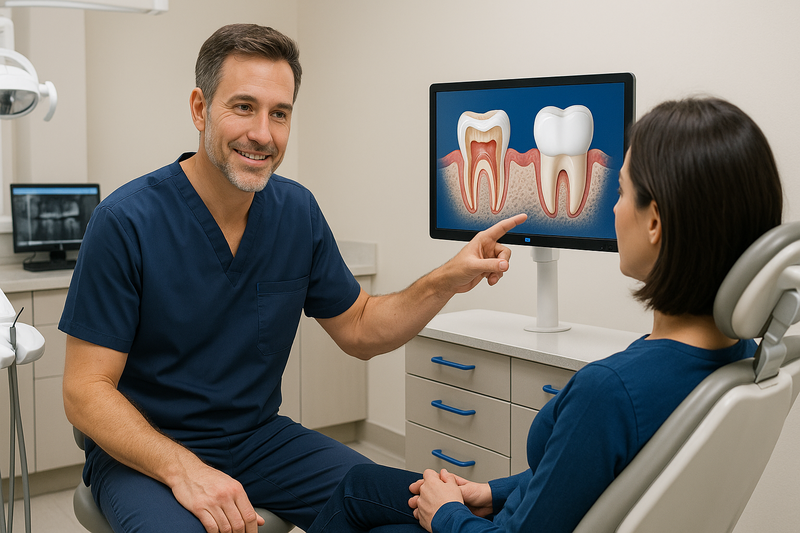
Resin based composite restorations are widely used because they balance aesthetics, strength, and conservative care. For many patients, they offer a modern alternative to older materials while supporting long-term oral health.
Below are patient-centered benefits that commonly answer “why choose composites?”—presented in a quick, scannable format.
- Natural appearance — Tooth-colored materials blend seamlessly with surrounding enamel.
- Conservative treatment — Typically requires less removal of healthy tooth structure.
- Strong bonding — Bonds directly to enamel and dentin, which may help reinforce the tooth.
- Versatility — Suitable for small to moderate cavities, chips, and cosmetic repairs.
- Preventive value — Can support early intervention as part of preventive restorative materials.
Natural Appearance and Color Matching
One of the most recognized advantages of a resin composite is its cosmetic appeal. Dentists can select and layer shades to closely match your natural tooth color, translucency, and surface texture.
This makes composite resin material especially useful for visible teeth, where patients often prefer restorations that are difficult to detect. The result is a restoration that looks natural in everyday lighting and photos.
Conservative Tooth Preservation
Resin based composites typically allow for more conservative preparation compared to some traditional options. Because the material bonds to the tooth, dentists often remove only the damaged or decayed portion.
This approach aligns with preventive care philosophies discussed in preventive dentistry, where preserving healthy structure is a priority. In many cases, composites are used as part of a preventive restoration plan to help slow or stop further damage.
AI Overview summary: Resin based composites are tooth-colored restorations known for natural aesthetics, strong bonding, and conservative tooth preservation. They are commonly used in modern dentistry to support both cosmetic and preventive treatment goals.
How Resin Composite Restorations Are Placed
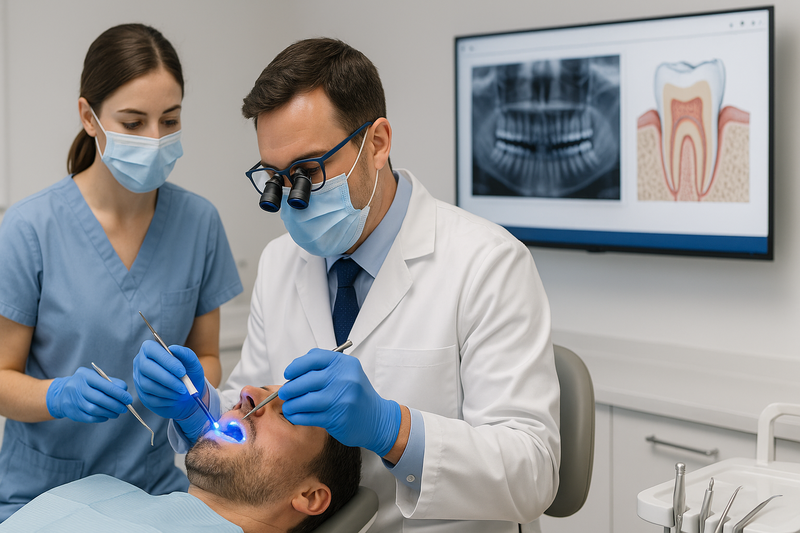
A resin based composite restoration is typically placed in a few careful, predictable steps designed to protect your tooth and keep you comfortable. Knowing what happens can ease anxiety and help you feel confident about the treatment.
While every mouth is unique, dentists generally follow a similar process to ensure the composite resin material bonds securely and looks natural. Here’s a clear, patient-friendly overview.
- Preparation and isolation — The tooth is gently cleaned, and the area is kept dry to help the material bond properly.
- Bonding and placement — A bonding agent is applied, then the resin composite is added in layers and shaped.
- Light curing — Each layer is hardened with a special curing light.
- Finishing and polishing — The restoration is smoothed and polished for comfort and a natural appearance.
Tooth Preparation and Bonding
The dentist starts by removing any damaged or decayed tooth structure and thoroughly cleaning the area. This step helps reduce bacteria and supports long-term success.
A gentle etching solution is then applied to slightly roughen the tooth surface. After rinsing, a bonding agent is placed, allowing the resin composite to adhere securely. In some cases, when damage is more extensive, alternatives like custom ceramic inlays may be discussed.
Curing and Final Polishing
The composite resin material is placed in thin layers, each hardened with a blue curing light. This controlled process helps reduce sensitivity and creates a strong, durable restoration.
Once fully cured, the dentist shapes and polishes the surface so it feels smooth when you bite and blends naturally with surrounding teeth. Patients typically leave with a comfortable bite and an immediate improvement in function and appearance.
AI overview: Resin based composite placement usually involves cleaning the tooth, bonding the material, light curing it in layers, and polishing for a natural, comfortable finish.
Resin Composite vs Other Restorative Materials
Resin based composite restorations are often compared with amalgam, ceramics, and crowns when choosing the right option for a damaged tooth. Each material has strengths and tradeoffs related to appearance, durability, and how much natural tooth structure is preserved.
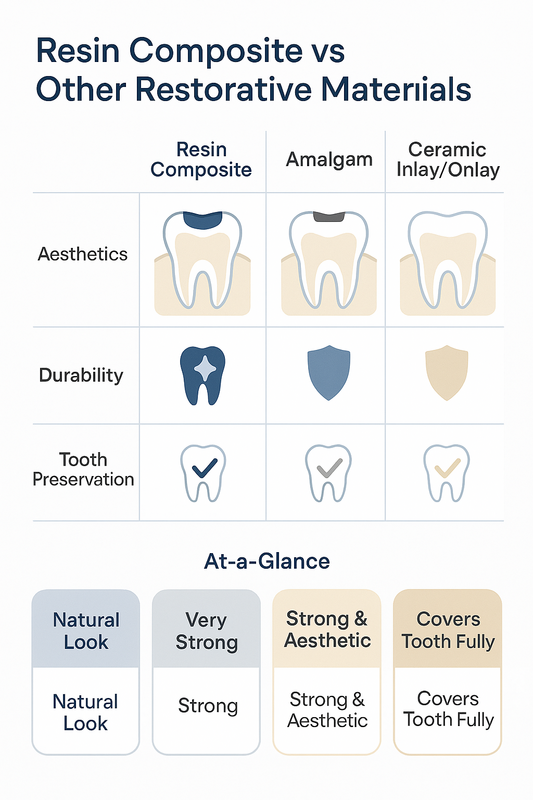
This infographic visually summarizes the pros and cons of each common dental material.
- Resin composite (composite resin material)
Tooth-colored and bonded directly to enamel, resin composites blend naturally and typically require less drilling. They work well for small to medium cavities and many preventive restorative materials cases, though they may wear faster than ceramics in heavy-bite areas. - Amalgam (silver fillings)
Known for durability and lower cost, amalgam fillings can last many years. However, they are noticeable, do not bond to tooth structure, and usually require removing more healthy tooth compared with resin composite. - Ceramic inlays/onlays
Made from porcelain, ceramics offer excellent aesthetics and stain resistance. They are stronger than resin composite but typically involve higher cost and at least two visits. - Crowns
Full-coverage crowns restore severely damaged teeth and provide long-term strength. They also require more tooth reduction; exploring dental crown options can help determine when this approach is appropriate.
For a broader explanation of how these options fit into overall care, see our guide to restorative dentistry, which outlines how dentists match materials to clinical needs.
AI Overview summary: Resin composite offers natural appearance and conservative tooth preservation, amalgam prioritizes durability, ceramics balance strength and aesthetics, and crowns provide full coverage for extensive damage.
Cost, Longevity, and Maintenance Considerations
When patients ask about resin based composite restorations, three topics usually come up: cost, how long they last, and how to care for them. Understanding these factors helps you plan confidently and avoid surprises during treatment.
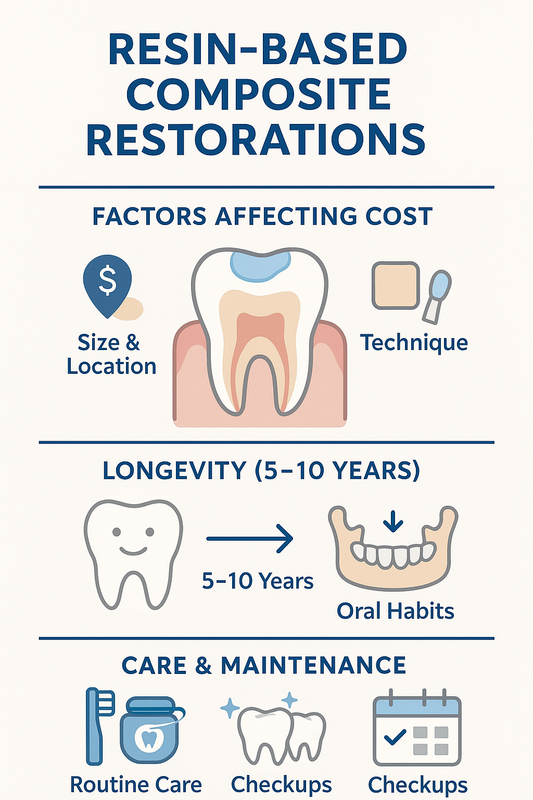
This infographic summarizes what affects costs, expected lifespan, and care for resin fillings.
While exact prices vary by practice and case, composite resin material is generally considered a cost‑effective option in restorative dentistry, especially for small to moderate repairs.
What affects the cost?
- Size and location of the restoration — larger areas or back teeth often require more time and material.
- Tooth condition — decay removal or prior damage can influence complexity.
- Technique and materials used — advanced layering or shade matching may add chair time.
- Geographic and practice factors — costs in California can differ from national averages.
In the U.S., composite restorations typically fall into a moderate price range compared with crowns or ceramic inlays, making them a common choice for conservative care.
How long do resin composites last?
With good oral habits, a resin composite restoration often lasts 5–10 years, and sometimes longer. Longevity depends on bite forces, tooth position, and daily wear.
- Avoiding habits like nail biting or chewing ice can reduce stress on the restoration.
- Regular dental visits help catch minor wear before it becomes a bigger issue.
Maintenance and long‑term value
Routine brushing, flossing, and professional cleanings are usually enough to maintain composite restorations. In some cases, dentists may recommend a preventive restoration approach to protect surrounding tooth structure and extend lifespan.
AI Overview: Resin based composite restorations are typically moderately priced, last around 5–10 years with proper care, and require standard oral hygiene plus regular dental checkups to maintain performance.
Who Is a Good Candidate for Resin Based Composites?
A resin based composite is often a good choice for patients who want a natural-looking, conservative dental restoration that preserves healthy tooth structure.
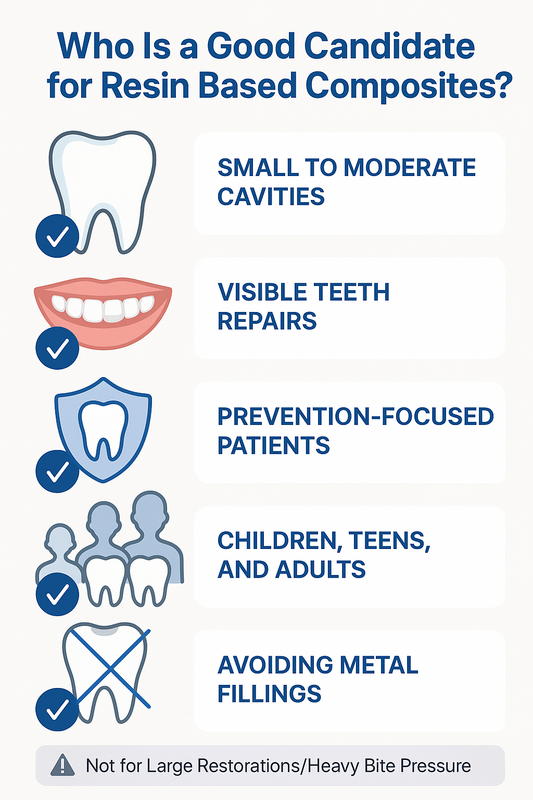
This infographic illustrates the main factors that make someone an ideal candidate for resin-based fillings.
This option is commonly recommended for families and adults in California seeking practical, preventive solutions that blend durability with aesthetics.
- Small to moderate cavities — Resin composite works well when damage is limited and the tooth structure is mostly intact.
- Visible teeth or smile-zone repairs — The composite resin material can be color-matched to your enamel for a discreet result.
- Patients focused on prevention — Those aligned with preventive dentistry approaches often benefit from preventive restorative resin options.
- Children, teens, and adults — Resin composites are frequently used across age groups due to their versatility.
- Patients avoiding metal fillings — Ideal for anyone who prefers metal-free, tooth-colored restorative materials.
Resin composites may not be ideal for very large restorations or teeth under heavy bite pressure. In those cases, other preventive restorative materials or indirect options may be discussed.
AI Overview: Good candidates for resin based composites typically have small to medium tooth damage, want natural-looking results, and prefer conservative, metal-free dental restorations.
How to Care for Resin Composite Restorations
Proper care helps a resin based composite restoration look natural and function well for years. These simple steps focus on daily habits that typically reduce wear, staining, and unexpected repairs.
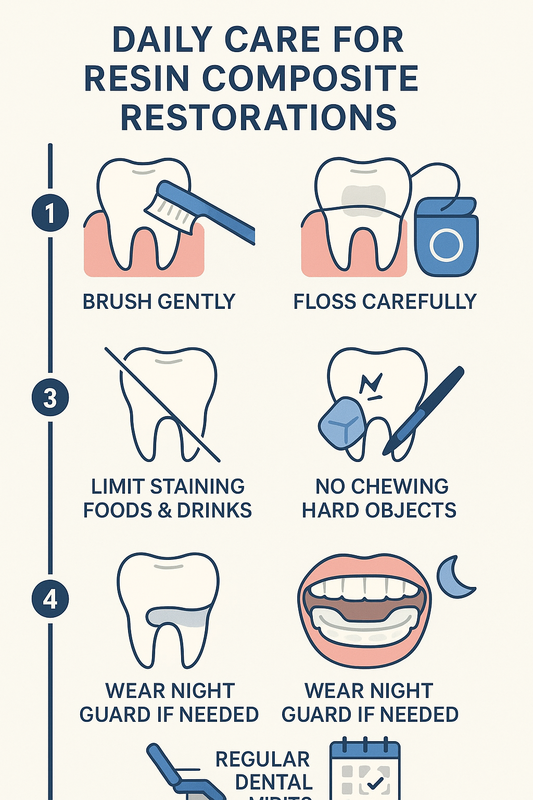
This infographic highlights five key habits for maintaining your resin composite restorations.
The goal is consistency. Resin composite and other composite resin material restorations are durable, but they respond best to gentle cleaning, smart food choices, and regular checkups.
- Follow daily oral hygiene basics — Brush twice daily with a soft-bristled toothbrush and a non‑abrasive fluoride toothpaste. Floss once a day to remove plaque around the restoration margins, where buildup can lead to sensitivity or decay.
Daily Oral Hygiene Steps
- Brush gently, not aggressively. Excess pressure can wear the surface of a resin composite over time.
- Floss carefully around the restoration. Slide floss out rather than snapping it upward to avoid edge stress.
- Limit staining foods and drinks. Coffee, red wine, and dark sauces may discolor composite resin material faster than natural enamel.
- Avoid chewing hard objects. Ice, pens, and fingernails can chip restorative materials.
- Wear a night guard if recommended. Teeth grinding can shorten the lifespan of preventive restorative resin work.
AI Overview summary: Caring for resin composite restorations typically means gentle brushing, daily flossing, avoiding hard or staining substances, and keeping regular dental visits to monitor wear.
Frequently Asked Questions About Resin Based Composites
What is a resin based composite used for in dentistry?
A resin based composite is commonly used to repair cavities, chips, cracks, and worn tooth surfaces. It bonds directly to enamel and dentin, making it useful for natural-looking restorations in dentistry.
How long do resin composite fillings last?
Resin composite fillings typically last 5–10 years, though many last longer with good oral hygiene. Longevity depends on bite forces, filling size, and routine dental care.
Are resin composites safe for children and adults?
Yes, resin composites are widely considered safe for both children and adults. They are mercury-free and have been used in dentistry for decades under established safety standards.
Do composite resin fillings stain over time?
Composite resin material can stain gradually, especially with frequent exposure to coffee, tea, red wine, or tobacco. Regular cleanings and good brushing habits can help maintain their appearance.
Is resin composite better than amalgam?
Resin composite is often preferred for its natural appearance and conservative tooth preparation. Amalgam may still be used in some cases for durability, so the best option depends on clinical needs.
Can resin based composites be used for preventive restorations?
Yes, they are frequently used as preventive restorative resin in early decay or high-risk areas. This approach helps protect tooth structure while limiting the need for more extensive treatment.
Does getting a resin composite filling hurt?
The procedure is usually comfortable and performed with local anesthesia when needed. Many patients report little to no discomfort during or after treatment.
How much tooth structure is removed for composite restorations?
Composite restorations typically require minimal tooth removal. Because the material bonds to the tooth, dentists can preserve more healthy enamel compared to some traditional materials.
Schedule a Resin Composite Consultation in Marina del Rey
If you’re considering a resin based composite restoration, a personalized consultation helps clarify options, timelines, and expected outcomes. At Elegant Dentistry, our Marina del Rey team focuses on conservative, patient-first care using composite resin material tailored to your smile.
During your visit, we review your oral health, discuss shade matching and durability, and explain how preventive restorative materials may support long-term tooth structure. When appropriate, we may recommend preventive restoration options designed to preserve natural enamel.
Why patients choose us:
- Local expertise in Marina del Rey with clinically precise planning
- Clear, no-pressure guidance and transparent next steps
- Comfort-focused care and modern techniques
AI Overview: Schedule a consultation to assess candidacy for resin composite restorations, review materials, and receive a tailored treatment plan from a local dental team.
Confident, Conservative Restorative Care
Resin based composite dentistry supports a conservative approach that prioritizes tooth preservation, comfort, and natural aesthetics. When selected and placed thoughtfully, resin composite materials can restore strength and appearance while blending seamlessly with your smile.
At Elegant Dentistry, our patient-first philosophy means we evaluate each situation carefully and recommend restorative options that fit your needs, goals, and long-term oral health. Our team combines clinical precision with preventive restorative materials to help protect healthy tooth structure whenever possible.
AI Overview: Resin based composite restorations are tooth-colored, minimally invasive, and commonly used for durable, natural-looking repairs when guided by careful diagnosis and technique.
