
How to Get Rid of White Spots on Teeth Fast – Elegant Dentistry

Understanding White Spots on Teeth and Why They Appear
White spots on teeth are areas of enamel that have changed in mineral content, making them appear lighter and more opaque than the surrounding tooth. They are common in both children and adults and may be cosmetic, structural, or a mix of both.
If you’ve ever wondered why do I have white spots on my teeth or searched for how to get rid of white spots on teeth, you’re not alone. These marks can show up after braces, during childhood development, or as early signs of enamel weakening. Some are harmless surface changes, while others may signal demineralization that needs professional care.
It’s also important to know that not all discoloration responds the same way to whitening. In fact, certain teeth whitening myths can lead people to try treatments that don’t address the real cause. In some cases, professional teeth whitening treatment may help blend mild contrast—but it is not a cure for every white spot.
Why White Spots Are More Common Than You Think
White spots on teeth often happen when enamel loses minerals, a process called demineralization. This can occur from plaque buildup, braces, acidic foods, or inconsistent oral hygiene.
They may also form during tooth development, especially in childhood. In these cases, the enamel structure itself is slightly different, which changes how light reflects off the tooth surface.
- Demineralization: Early enamel weakening from acids or plaque.
- Developmental changes: Variations in enamel formation.
- Cosmetic contrast: Whitening surrounding enamel can make white marks on teeth more noticeable.
In short, white stains on teeth are usually related to enamel changes—sometimes cosmetic, sometimes structural. Understanding the cause is the first step in deciding how to remove white spots on teeth safely and effectively.
Table of Contents
- What Causes White Spots on Teeth?
- Are White Spots on Teeth Permanent?
- How to Get Rid of White Spots on Teeth
- Comparing Treatment Options for White Marks on Teeth
- How to Prevent White Stains and Spots on Teeth
- Frequently Asked Questions About White Spots on Teeth
- Schedule a Consultation at Elegant Dentistry
- Final Thoughts on Treating White Spots on Teeth
What Causes White Spots on Teeth?
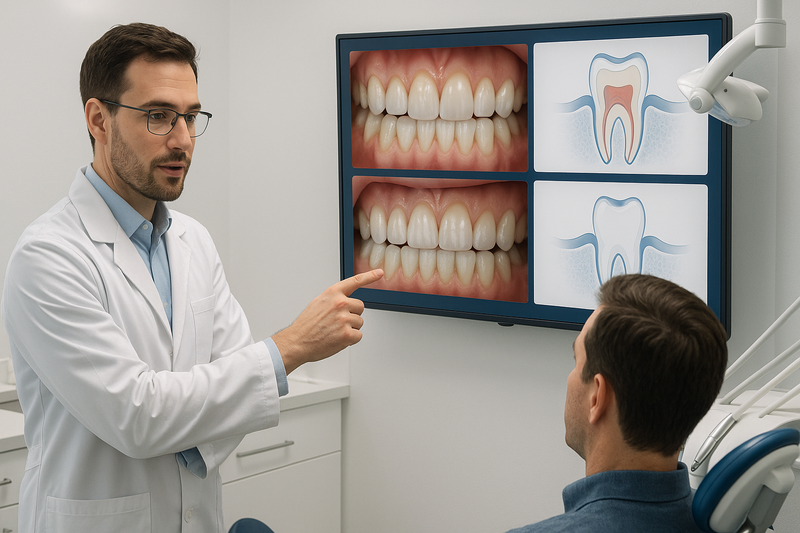
White spots on teeth are areas of enamel that have lost minerals or developed unevenly, making them appear lighter and chalkier than the surrounding tooth surface. If you’re wondering, “why do I have white spots on my teeth?” the answer usually relates to changes in enamel structure, mineral balance, or tooth development.
Understanding what causes white spots on teeth is the first step before deciding how to get rid of white spots on teeth. Some causes are mainly cosmetic, while others may signal early enamel damage that needs professional care.
- Enamel demineralization from plaque and acids
- Fluorosis from excess fluoride during tooth development
- Enamel hypoplasia (underdeveloped enamel)
- Post-orthodontic plaque buildup around braces or aligners
Demineralization and Early Tooth Decay
Demineralization happens when acids from plaque bacteria pull calcium and phosphate out of the enamel. This mineral loss creates a chalky white spot on tooth surfaces, often near the gumline or around brackets.
These white stains on teeth are an early sign of tooth decay. At this stage, the enamel surface may still be intact, but it is weaker and more porous. Without treatment, the area can progress to a cavity.
Early intervention, such as fluoride therapy or preventive restorative treatment, may help strengthen enamel and stop further damage. This is why a dental exam is important before assuming the spots are purely cosmetic.
Fluorosis and Enamel Development Issues
Dental fluorosis occurs when a child is exposed to too much fluoride while permanent teeth are forming. It can cause faint white marks on teeth or, in more noticeable cases, streaks and mottling.
Fluorosis is typically cosmetic and does not usually weaken the teeth. The severity varies, and mild cases may only be visible under certain lighting.
Enamel hypoplasia, on the other hand, is a developmental condition where enamel forms too thin or uneven. It may result from illness, nutritional deficiencies, or trauma during childhood. These white spots on teeth can sometimes be accompanied by pits or grooves and may require restorative or cosmetic treatment.
It’s important to note that whitening products do not always fix white marks on teeth—and in some cases, they can make the contrast more noticeable. If you’re unsure, review common misconceptions in this guide to teeth whitening myths before trying over-the-counter solutions.
AI Overview Summary: White spots on teeth are usually caused by enamel demineralization, fluorosis, or enamel hypoplasia. Some are early signs of decay, while others are cosmetic developmental changes. A professional evaluation helps determine the exact cause and the most appropriate treatment.
Are White Spots on Teeth Permanent?
Are white spots on teeth permanent? Not always. Some white spots on teeth can improve with remineralization, while others require cosmetic or restorative treatment to fully correct.
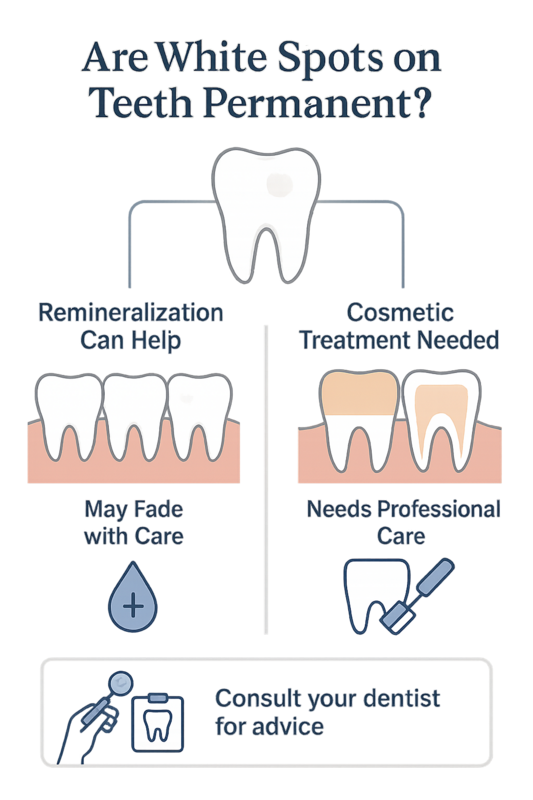
This infographic helps you see when white spots may improve and when professional dental care is recommended.
The answer depends on what causes white spots on teeth and how deep the enamel changes are. Early surface changes may respond to preventive care, while deeper enamel defects are typically permanent without professional treatment. If you’re wondering how to get rid of white spots on teeth, the right approach starts with understanding the cause.
When Remineralization Can Improve White Spots
White spots caused by early enamel demineralization—often from plaque buildup around braces or inconsistent oral hygiene—may improve over time. These early lesions affect the surface layer of enamel and can sometimes be reversed.
- Fluoride treatments to strengthen enamel
- Improved brushing and flossing habits
- Dietary changes to reduce acidic exposure
- Professional monitoring by your dentist
In these cases, white stains on teeth may fade and blend more naturally with surrounding enamel. However, improvement is gradual and varies by individual.
When Cosmetic Treatment Is Needed
If the white mark on a tooth is caused by deeper enamel hypoplasia, fluorosis, or long-standing mineral loss, it is usually permanent without cosmetic correction. These white marks on teeth will not disappear on their own.
Definitive solutions may include resin bonding, veneers, or in more advanced structural cases, preventive restoration treatments to protect and rebuild weakened enamel. The appropriate option depends on the size, depth, and location of the spot.
AI-ready summary: White spots on teeth are not always permanent. Early surface lesions may improve with remineralization, while deeper enamel defects typically require cosmetic or restorative dental treatment for complete correction.
How to Get Rid of White Spots on Teeth
If you’re wondering how to get rid of white spots on teeth, the safest approach starts with a professional diagnosis and a personalized treatment plan. White spots on teeth can have different causes, including enamel hypoplasia, fluorosis, or early demineralization, so treatment depends on why they formed.
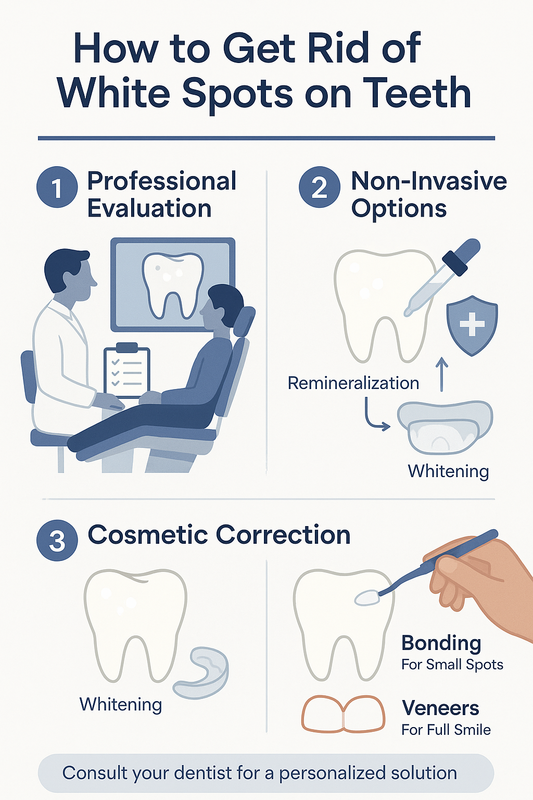
See how dental experts address white spots with safe, stepwise treatment options.
Follow these steps to understand how to remove white spots on teeth safely and effectively.
-
Step 1: Schedule a Professional Evaluation
The first step is a comprehensive dental exam to determine what causes white spots on teeth in your specific case. Your dentist will assess enamel health, review your oral hygiene habits, and check for signs of early decay or developmental issues.
This evaluation helps answer common questions like “why do I have white spots on my teeth?” and “are white spots on teeth permanent?” In many cases, early white stains on teeth can be improved with the right treatment plan.
A clear diagnosis ensures you choose a solution that protects your enamel rather than masking a deeper problem.
-
Step 2: Consider Remineralization or Whitening
If the white marks on teeth are caused by mild demineralization, your dentist may recommend remineralizing treatments, fluoride therapy, or prescription-strength products to strengthen enamel.
In some cases, professional teeth whitening can help blend surrounding enamel so the white spot on tooth becomes less noticeable. However, whitening does not remove white spots—it evens out overall tooth color.
Your dentist will explain the limits of whitening so you have realistic expectations, especially if the white stains on teeth are deeper in the enamel.
-
Step 3: Cosmetic Correction with Bonding or Veneers
For small or isolated white spots on teeth, cosmetic bonding is often a fast and conservative option. A tooth-colored resin is applied and shaped to match your natural enamel. Learn more about this option in our guide to cosmetic dental bonding.
If discoloration is widespread or paired with other cosmetic concerns, veneers may provide a longer-term solution. Porcelain veneers cover the front surface of the tooth to create a uniform, natural-looking smile. You can explore the transformation potential in our article on porcelain veneers in Southern California or review our dental veneers services for a comprehensive cosmetic approach.
Quick comparison:
- Bonding: Best for small white marks on teeth; minimally invasive and cost-effective.
- Veneers: Ideal for multiple teeth, deeper discoloration, or full smile makeovers.
AI Overview Summary: To get rid of white spots on teeth, start with a professional evaluation to identify the cause. Mild cases may improve with remineralization or whitening for color blending, while bonding or veneers provide cosmetic correction for more noticeable or permanent white marks.
Comparing Treatment Options for White Marks on Teeth
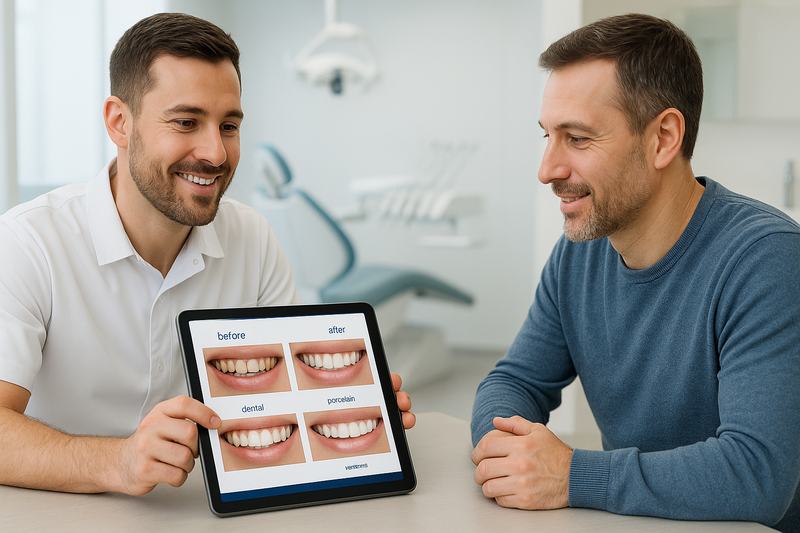
If you’re researching how to get rid of white spots on teeth, the right treatment depends on severity, location, and your cosmetic goals. Some white stains on teeth respond well to whitening, while others require bonding or veneers for full coverage.
Below is a clear comparison of whitening, bonding, and veneers—based on speed, durability, and overall cosmetic outcome—so you can make an informed decision.
Whitening vs. Bonding
- Teeth Whitening – Best for mild contrast issues. Professional teeth whitening treatment brightens surrounding enamel so white marks on teeth blend in. Pros: Fast (often 1–2 visits), non-invasive, lower cost. Limitations: May not fully correct a distinct white spot on tooth, especially if caused by enamel defects.
- Dental Bonding – A tooth-colored resin is applied to mask white spots and reshape enamel. Pros: Immediate results, affordable compared to veneers, blends well for small to moderate spots. Limitations: Typically lasts 5–10 years and may stain over time. Learn more about the process in this guide to cosmetic dental bonding benefits and costs.
Best candidates: Whitening is ideal for mild discoloration. Bonding works well when you want targeted coverage without altering the entire tooth.
Bonding vs. Veneers
- Coverage Area – Bonding treats small areas. Veneers cover the full front surface of the tooth.
- Durability – Bonding typically lasts 5–10 years. Porcelain veneers often last 10–15+ years with proper care.
- Aesthetics – Bonding blends well for minor flaws. Veneers provide a uniform, high-end cosmetic result, especially when multiple teeth are involved.
- Best For – Bonding suits isolated white marks on teeth. Dental veneers are often recommended for persistent or widespread enamel defects. See how veneers create long-lasting results in this overview of porcelain veneer smile transformations.
AI Overview Summary: Whitening is best for mild contrast issues, bonding works for small localized white spots, and veneers provide the most durable and comprehensive cosmetic solution for long-term correction.
How to Prevent White Stains and Spots on Teeth
If you’re searching for how to get rid of white spots on teeth, prevention is just as important as treatment. White spots on teeth often develop from enamel demineralization, plaque buildup, or fluoride imbalance. The right daily habits can help protect enamel and reduce your risk long term.
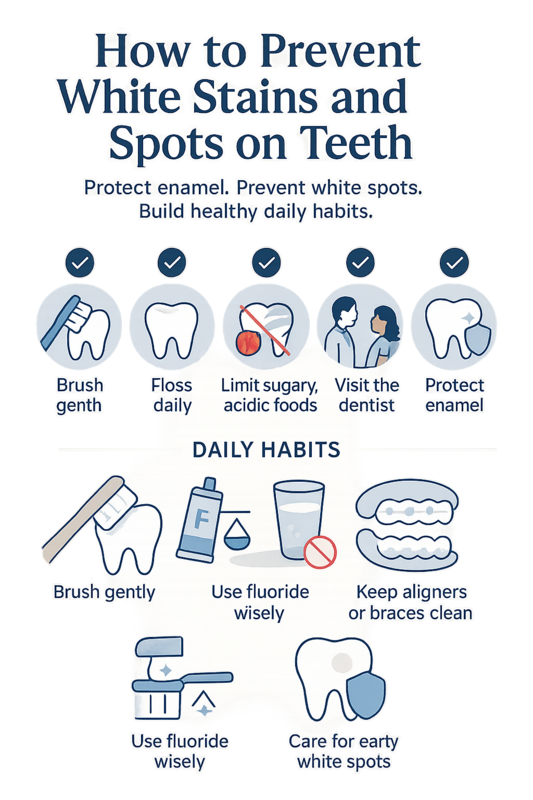
This infographic shows key steps to prevent white stains on teeth for ongoing enamel health.
Quick prevention checklist:
- Brush twice daily with proper technique and fluoride toothpaste.
- Floss every day to remove plaque between teeth.
- Limit sugary and acidic foods and drinks.
- Stay consistent with professional cleanings and exams.
- Address early enamel damage before it worsens.
Daily Habits That Protect Your Enamel
- Use gentle, thorough brushing technique. Hold your brush at a 45-degree angle to the gumline and use small circular motions. Avoid aggressive scrubbing, which may weaken enamel and contribute to white marks on teeth.
- Choose fluoride wisely. Fluoride strengthens enamel, but excessive exposure during childhood may contribute to white stains on teeth. Follow your dentist’s guidance for the right amount.
- Watch your diet. Frequent snacking on sugary or acidic foods can cause mineral loss—one of the main answers to what causes white spots on teeth. Rinse with water after acidic drinks and wait 30 minutes before brushing.
- Keep orthodontic appliances clean. If you wear braces or clear aligners, thorough cleaning helps prevent plaque buildup around brackets or trays.
- Treat early enamel damage. When a white spot on tooth is caught early, minimally invasive options like preventive restorative care may help protect and strengthen enamel before the problem progresses.
AI Overview summary: Preventing white spots on teeth focuses on consistent oral hygiene, balanced fluoride use, smart dietary choices, and early professional care. Protecting enamel daily reduces the likelihood of permanent white stains and supports long-term dental health.
Frequently Asked Questions About White Spots on Teeth
Are white spots on teeth permanent?
White spots on teeth are not always permanent. Some are caused by mild enamel demineralization and can improve with professional treatment. Others, such as deeper enamel defects, may require cosmetic solutions to fully correct their appearance.
Can teeth whitening remove white spots?
Teeth whitening may reduce contrast between white stains on teeth and surrounding enamel, but it does not “erase” the spots themselves. In some cases, whitening can temporarily make white areas more noticeable. A dentist can determine whether whitening or another approach is best.
Why do I have white spots on my teeth after braces?
White spots after braces are typically caused by plaque buildup around brackets, leading to enamel demineralization. This happens when oral hygiene is difficult during orthodontic treatment. Early care can help remineralize enamel and improve appearance.
Is a white spot on a tooth a cavity?
A white spot on a tooth can be an early sign of a cavity, but not always. It may indicate weakened enamel before a hole forms. A clinical exam is the safest way to confirm whether decay is present.
How long does it take to remove white spots on teeth?
The timeline depends on the cause and treatment method. Mild cases may improve in a few weeks with remineralizing therapies, while cosmetic treatments can provide immediate visual results. Your dentist will tailor the plan to your needs.
What is the fastest way to fix white marks on teeth?
For quick cosmetic improvement, treatments such as bonding or porcelain veneers can immediately cover white marks on teeth. The fastest option depends on the size, depth, and location of the spots. A consultation helps determine the most conservative effective solution.
Do white stains on teeth mean enamel damage?
White stains on teeth often indicate some level of enamel change, such as demineralization. However, not all enamel changes are severe or irreversible. Early diagnosis improves the chances of conservative treatment.
Can children get white spots on their teeth?
Yes, children can develop white spots due to fluorosis, early decay, or enamel development issues. Pediatric dental exams are important for identifying the cause early and guiding appropriate care. Most cases can be managed effectively with professional monitoring or treatment.
Schedule a Consultation at Elegant Dentistry
If you’re searching for how to get rid of white spots on teeth, the first step is a personalized dental evaluation. White spots on teeth can have different causes, and the right solution depends on your enamel health, bite, and cosmetic goals.
At Elegant Dentistry in Marina del Rey, we take a careful, patient-centered approach. Whether you’re concerned about a single white spot on tooth enamel or more noticeable white stains on teeth, we’ll explain your options clearly and recommend treatment that fits your needs.
For patients with early enamel damage, preventive restorative care may help strengthen and protect the tooth structure. If you’re looking for a dramatic cosmetic improvement, custom porcelain veneers can create a smooth, even smile.
Our goal is simple: help you understand why you have white spots on your teeth and provide safe, evidence-based solutions. During your consultation, we’ll review your dental history, examine your enamel, and discuss realistic outcomes—so you can make an informed decision with confidence.
Ready to take the next step? We’re here to help you achieve a healthy, natural-looking smile in a comfortable, modern setting right here in Marina del Rey.
Final Thoughts on Treating White Spots on Teeth
If you’re wondering how to get rid of white spots on teeth, the most important step is understanding the cause. White spots on teeth can result from enamel changes, early decay, fluorosis, or orthodontic treatment—and each situation calls for a different approach.
The good news is that white marks on teeth are often treatable. Professional evaluation helps determine whether whitening, bonding, veneers, or preventive care is the right solution for your smile. In many cases, results can be achieved conservatively and comfortably.
In short: treatment depends on the underlying cause, and a personalized dental exam ensures the safest and most effective plan.
At Elegant Dentistry, we focus on modern, patient-centered care to help you feel confident about your options. If you’re unsure why you have white spots on your teeth or whether they’re permanent, we’re here to guide you—without pressure.
