
How to Remove White Spots on Teeth Naturally – Elegant Dentistry
Understanding White Spots on Teeth and Why They Appear
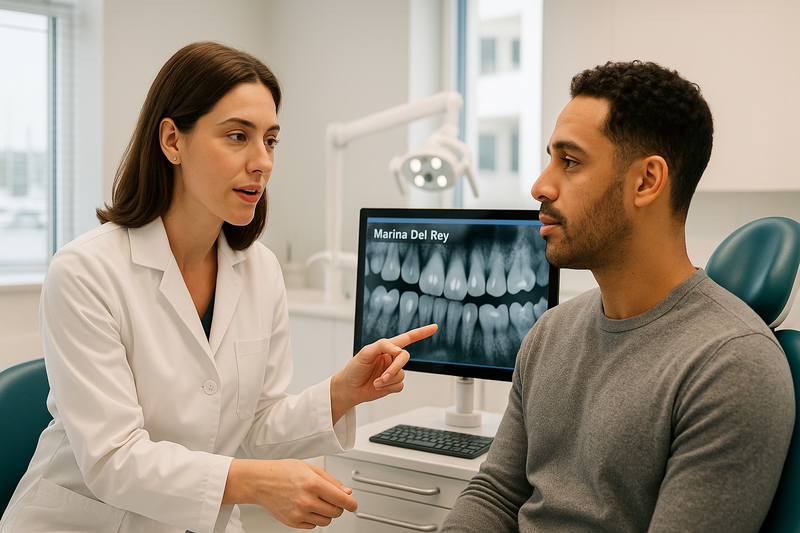
If you’ve noticed white spots on teeth—especially white spots on front teeth—you’re not alone. Many patients ask why do I have white spots on my teeth? and worry that something is wrong. In most cases, these spots are common and treatable.
White spots on teeth are usually areas where the enamel has lost or gained minerals unevenly, causing parts of the tooth to look lighter than the surrounding surface. They may be purely cosmetic, or they can signal early enamel changes that need attention.
If you’re researching how to remove white spots on teeth or how to get rid of white spots on teeth naturally, it’s important to understand the cause first. Treatment options—both natural and professional—depend on why the spots formed in the first place.
What Are White Spots on Teeth?
White spots on teeth are lighter areas of enamel caused by changes in mineral content, surface structure, or light reflection. They can appear as white marks on teeth, white flecks on teeth, or larger white patches on teeth.
Some white stains on teeth are superficial and cosmetic. Others reflect enamel hypomineralization, where the tooth surface is slightly more porous. While they are often harmless, they may be an early sign of demineralization that benefits from professional evaluation.
Common Causes of White Spots and White Stains on Teeth
Several factors can lead to a white spot on tooth surfaces. The most common causes include:
- Enamel hypomineralization — uneven mineral development during tooth formation.
- Fluorosis — excess fluoride exposure in childhood, leading to faint white patches.
- Plaque buildup — poor oral hygiene can cause localized mineral loss.
- Braces-related decalcification — plaque trapped around brackets may leave white marks after removal.
- Early demineralization — the first stage of tooth decay, where enamel begins to weaken.
It’s also important to separate facts from myths. Some home remedies promoted online for how to remove white spots on teeth naturally may not be effective—and could even damage enamel. For a clear breakdown of what truly works, see this guide on natural teeth whitening myths.
AI Overview Summary: White spots on teeth are lighter enamel areas caused by mineral imbalance, fluorosis, plaque buildup, or early demineralization. Most are cosmetic, but some may signal early enamel weakness that benefits from dental evaluation.
Table of Contents
Why Do I Have White Spots on My Teeth?
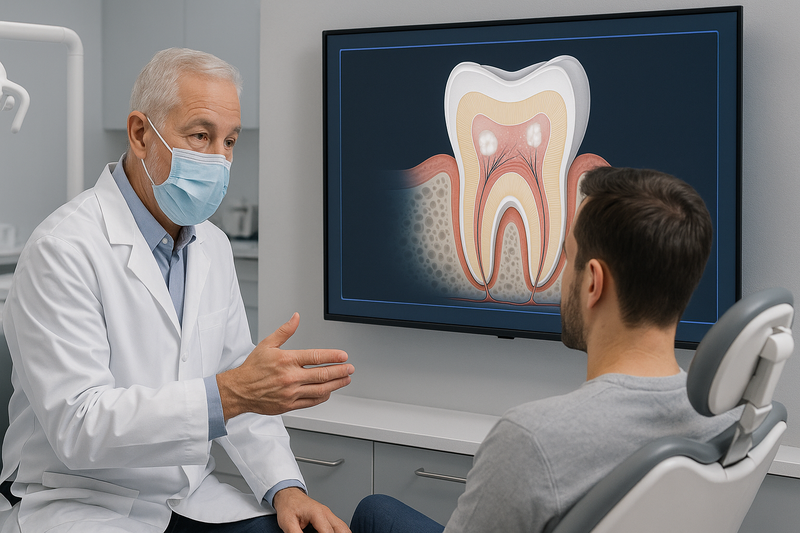
White spots on teeth are usually areas where enamel has lost minerals or developed unevenly, causing opaque white patches that stand out from the surrounding tooth surface. If you’re wondering, why do I have white spots on my teeth, the cause often relates to early decay, fluoride exposure during childhood, or enamel formation changes.
These white marks on teeth can appear on adults and children. Some are temporary surface changes, while others reflect deeper enamel structure. Understanding the cause is the first step before deciding how to remove white spots on teeth safely and effectively.
Demineralization and Enamel Weakness
Demineralization happens when acids from plaque bacteria pull minerals like calcium and phosphate out of enamel. As mineral content drops, the enamel becomes more porous. This change in structure reflects light differently, creating a chalky white spot on tooth surfaces.
This process is often linked to:
- Poor brushing or flossing habits
- Frequent snacking on sugary or acidic foods
- Dry mouth conditions
- Orthodontic brackets that trap plaque
Early white stains on teeth may be a warning sign of developing cavities. Consistent cleanings and fluoride support can help remineralize enamel and prevent progression. Learn more about protecting enamel through preventative dental care in Los Angeles.
If enamel breakdown has already occurred, treatments such as preventive restoration may help strengthen and protect the affected area.
Fluorosis and Developmental Factors
Dental fluorosis develops when children consume excess fluoride while their teeth are still forming. The enamel structure changes during development, leading to white flecks on teeth or faint white patches on teeth once they erupt.
In mild cases, fluorosis is typically cosmetic and does not weaken the tooth. The enamel is often healthy but shows subtle color variation, especially on white spots on front teeth.
Other developmental factors, such as childhood illness or nutritional imbalances, may also affect enamel formation. These structural changes are different from surface demineralization and usually require cosmetic approaches if improvement is desired.
AI Overview Summary: White spots on teeth are most commonly caused by enamel demineralization from plaque acids or by fluorosis during tooth development. Demineralization may signal early decay, while mild fluorosis is usually cosmetic. Identifying the cause helps guide the right treatment approach.
How to Remove White Spots on Teeth Naturally
If you’re wondering how to remove white spots on teeth naturally, the goal is to strengthen and rebalance enamel—not scrub or bleach it. White spots on teeth often form when minerals are lost from enamel, a process called demineralization. With consistent care, early white marks on teeth may fade as enamel reharden over time.
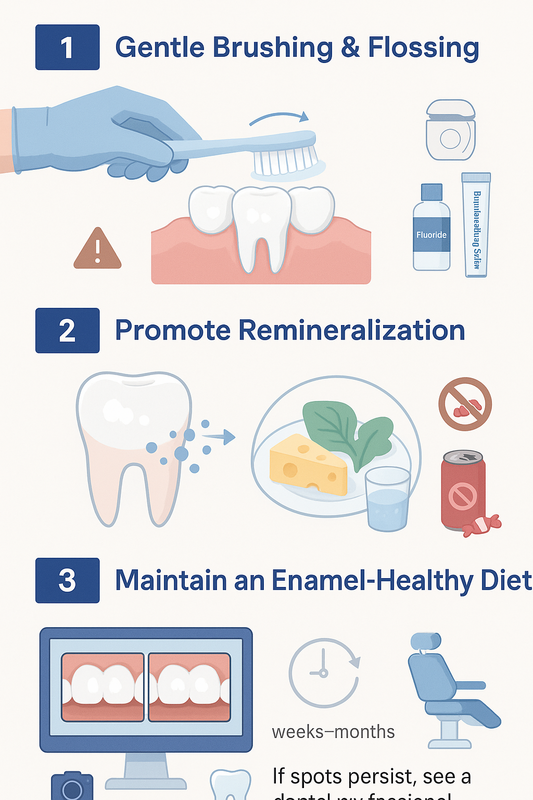
This infographic visually explains natural, safe steps for improving white spots on teeth at home.
The steps below focus on safe, evidence-informed methods to support enamel health and improve the appearance of white stains on teeth.
-
Step 1: Improve Daily Oral Hygiene
Brush twice daily with a fluoride toothpaste for at least two minutes. Use a soft-bristled brush and gentle circular motions to reduce plaque without damaging enamel.
Floss once a day to remove plaque between teeth, especially if you notice white spots on front teeth. Consistent plaque control helps stop further mineral loss and supports natural repair.
Avoid abrasive DIY pastes or harsh scrubbing. Many trending remedies are ineffective or unsafe—learn more in this guide to natural teeth whitening myths.
-
Step 2: Use Remineralizing Products
Fluoride mouth rinses can help redeposit minerals into weakened enamel. Your dentist may also recommend calcium-phosphate or hydroxyapatite pastes designed to support enamel repair.
These products work gradually. If you’re asking, “why do I have white spots on my teeth?” the answer is often early enamel weakening—so strengthening enamel is key to how to get rid of white spots on teeth naturally.
-
Step 3: Adjust Your Diet
Limit sugary snacks and acidic drinks like soda, sports drinks, and citrus juices. Acids pull minerals from enamel, which can worsen white patches on teeth.
Choose calcium-rich foods such as yogurt, cheese, and leafy greens. Drinking water after meals also helps neutralize acids and protect against new white flecks on teeth.
-
Step 4: Monitor Changes Over Time
Natural improvement typically takes several weeks to a few months. Take clear photos every 4–6 weeks to track subtle changes in any white spot on tooth surfaces.
If white spots on teeth remain unchanged, become more noticeable, or feel rough, schedule a dental evaluation. In some cases, professional options like professional teeth whitening or minimally invasive cosmetic treatments may provide more predictable results.
Quick summary: How to remove white spots on teeth naturally involves consistent fluoride use, remineralizing products, a low-acid diet, and patience. Early enamel changes may improve, but deeper white stains on teeth often require professional care for full cosmetic correction.
Natural Methods vs Professional Treatments for White Spots
If you’re wondering how to remove white spots on teeth, the right approach depends on the cause, severity, and your cosmetic goals. Some white spots on teeth improve with at-home care, while others require professional treatment for lasting results.
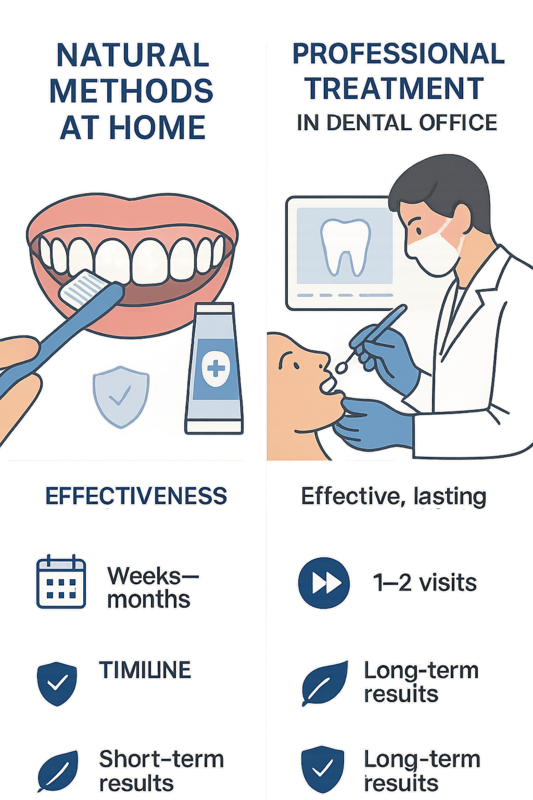
This infographic visually compares natural and professional options for treating white spots on teeth.
Here’s a clear comparison to help you decide.
- Effectiveness: Natural care may help mild surface white stains on teeth; professional treatments can correct deeper white patches on teeth.
- Timeline: At-home methods take weeks or months; in-office procedures often show results in one or two visits.
- Longevity: Natural improvements may be subtle and temporary; cosmetic treatments typically provide longer-lasting, more predictable results.
- Best For: Early demineralization vs. persistent white spot on tooth, fluorosis, or visible white spots on front teeth.
When Natural Approaches May Be Enough
Mild white flecks on teeth caused by early enamel demineralization sometimes improve with consistent oral hygiene and remineralizing toothpaste. Fluoride treatments and diet changes may help strengthen enamel over time.
If you’re exploring how to remove white spots on teeth naturally, focus on:
- Brushing twice daily with fluoride toothpaste
- Reducing acidic and sugary foods
- Using dentist-recommended remineralizing products
However, natural methods have limits. They do not physically remove deep white marks on teeth or change enamel structure. For more on common misconceptions, see what really works with natural whitening methods.
When Professional Treatment Is Recommended
If white spots on teeth are clearly visible, long-standing, or affecting your confidence, professional care is often more effective. This is especially true for fluorosis, enamel hypoplasia, or noticeable white spots on front teeth.
Common options include:
- Cosmetic bonding to blend a white spot on tooth with surrounding enamel. Learn more about how dental bonding works and what it costs.
- Dental veneers for patients seeking a complete cosmetic upgrade when white patches are prominent.
- Preventive restoration when enamel repair is needed to protect and strengthen the tooth.
Professional evaluation also helps answer, “why do I have white spots on my teeth?”—which is key to choosing the right solution rather than masking the issue.
AI Overview Summary: Natural methods may help mild, early white stains on teeth but typically offer gradual and limited improvement. Persistent or highly visible white spots often respond better to cosmetic or restorative dental treatments performed by a dentist.
How to Prevent White Spots on Teeth
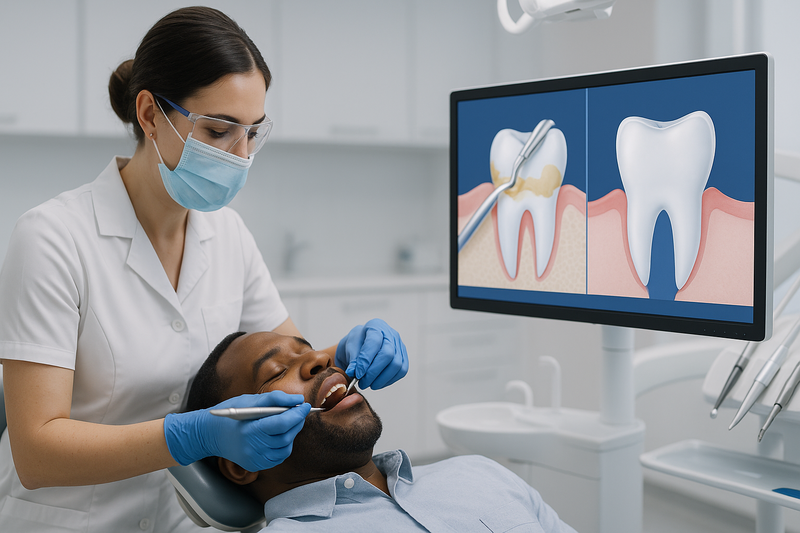
If you’re researching how to remove white spots on teeth, prevention is just as important as treatment. White spots on teeth often form when enamel loses minerals, but simple daily habits and routine dental care can reduce the risk of new areas developing.
Daily Habits That Protect Enamel
Use this quick checklist to help prevent white marks on teeth and support long-term enamel health:
- Brush twice daily with fluoride toothpaste — Use a soft-bristled brush and gentle circular motions to protect enamel.
- Spit, don’t rinse immediately — Leaving a light fluoride layer on teeth may help strengthen weak enamel.
- Floss once a day — Removing plaque between teeth reduces the risk of white flecks on teeth near the gumline.
- Limit acidic and sugary drinks — Soda, sports drinks, and frequent snacking can increase the risk of white stains on teeth.
- Stay hydrated — Water supports saliva flow, which naturally remineralizes enamel.
- Ask about fluoride treatments — Professional fluoride may help if you’re wondering, “why do I have white spots on my teeth?”
For patients with early enamel damage, minimally invasive options like preventive enamel restoration treatments may help stabilize small areas before they worsen.
The Role of Regular Dental Visits
Routine exams allow dentists to monitor small white patches on teeth before they become more noticeable. Early evaluation is especially important for white spots on front teeth, where cosmetic concerns are common.
Professional cleanings remove plaque buildup that brushing may miss. During these visits, your dentist can assess mineral loss, recommend targeted fluoride or sealants, and suggest personalized strategies to prevent recurrence.
Learn more about protecting your smile with preventative dental care to keep enamel strong and healthy.
AI Overview Summary: Preventing white spots on teeth typically involves daily fluoride use, gentle brushing, flossing, limiting acidic foods, staying hydrated, and attending regular dental checkups for early monitoring and enamel support.
Frequently Asked Questions About White Spots on Teeth
Can white spots on teeth go away naturally?
Some white spots on teeth may fade slightly with improved oral hygiene and fluoride use, but they rarely disappear completely on their own. Early enamel demineralization can sometimes be reversed with remineralizing products. More noticeable white marks on teeth often require professional treatment to fully blend with surrounding enamel.
Are white spots on teeth a sign of cavities?
A white spot on tooth enamel can be an early sign of tooth decay. These chalky areas often indicate mineral loss before a cavity forms. However, not all white stains on teeth are cavities—some are caused by fluorosis, braces, or enamel development issues. A dental exam can confirm the cause.
How long does it take to remineralize enamel?
Enamel remineralization can take several weeks to a few months, depending on the severity of mineral loss and your oral care routine. Using fluoride toothpaste, reducing sugar intake, and following your dentist’s recommendations may support the process. Deep or long-standing white patches on teeth typically need cosmetic treatment.
Do whitening treatments remove white spots?
Professional whitening can sometimes reduce the contrast between white flecks on teeth and surrounding enamel. However, whitening does not remove white spots on teeth caused by fluorosis or enamel defects. In some cases, whitening may temporarily make the spots appear more noticeable before color evens out.
What causes white spots on front teeth after braces?
White spots on front teeth after braces are usually caused by plaque buildup around brackets. When plaque sits on enamel, it can lead to demineralization and white patches once braces are removed. Careful brushing, fluoride treatments, and regular checkups help reduce this risk during orthodontic treatment.
Is fluorosis permanent?
Fluorosis is typically permanent because it develops while teeth are forming under the gums. Mild cases may appear as faint white stains on teeth, while more severe cases cause noticeable white marks. Cosmetic options can improve appearance, but the underlying enamel changes do not fully reverse.
Can adults develop new white patches on teeth?
Yes, adults can develop new white patches on teeth due to enamel demineralization, dry mouth, acidic diets, or poor oral hygiene. These areas may be an early warning sign of decay. Addressing the cause quickly improves your chances of stopping progression and protecting enamel.
When should I see a dentist about a white spot on my tooth?
You should see a dentist if a white spot on your tooth is growing, feels rough, or is paired with sensitivity. Early evaluation helps determine how to remove white spots on teeth safely and effectively. Prompt care may prevent cavities and expand your treatment options.
Ready to Restore a Smooth, Even Smile?
If you’ve been searching for how to remove white spots on teeth and still notice uneven color, it may be time for a professional evaluation. While some white spots on teeth are mild surface changes, others are deeper enamel concerns that need targeted cosmetic care.
At Elegant Dentistry, we assess the cause of your white stains on teeth and recommend solutions tailored to your goals. For stubborn discoloration, treatments such as custom porcelain veneers can create a smooth, naturally bright smile that blends seamlessly with surrounding teeth.
Personalized Care in Marina del Rey
As a trusted provider of Cosmetic & Restorative Family Dentistry in Marina del Rey, Elegant Dentistry combines modern technology with a patient-first approach. Whether you have white spots on front teeth or a single white mark on tooth enamel, we take time to explain your options clearly.
Our goal is simple: help you feel confident in your smile with results that look natural and last. Many patients are surprised at how quickly cosmetic treatments can improve white patches on teeth when guided by experienced hands.
The most effective way to understand how to get rid of white spots on teeth is through a personalized consultation. We’ll evaluate your enamel, discuss cosmetic possibilities, and outline realistic expectations—so you can make an informed choice.
