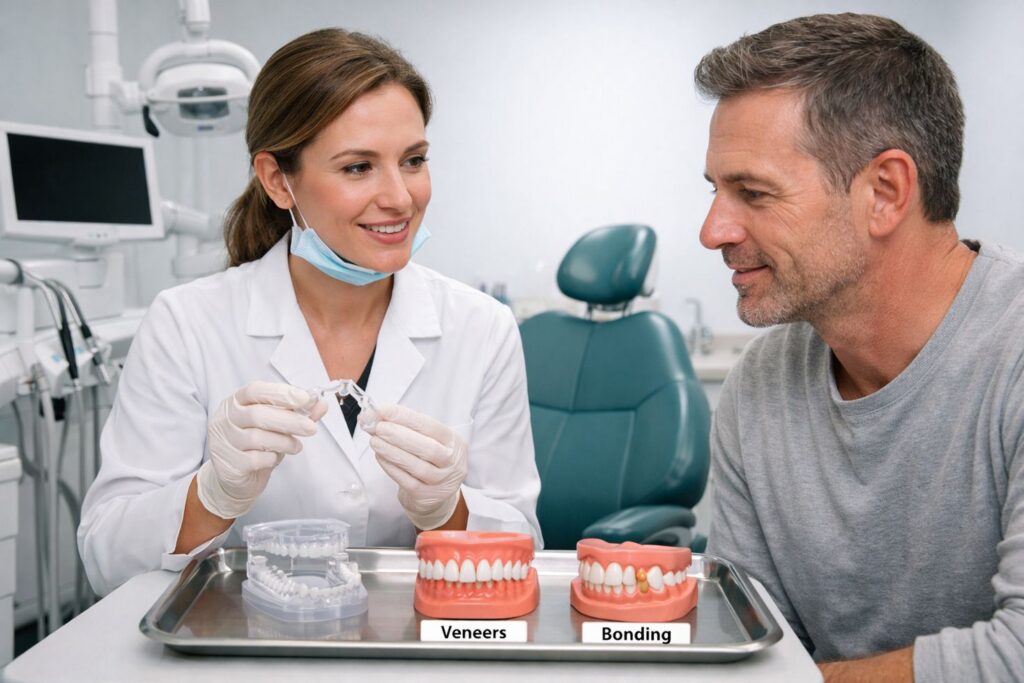

If you are comparing options for a tooth gap treatment, it usually comes down to a few common questions: what will look most natural, how long treatment may take, and whether the concern is mainly cosmetic or also related to bite and spacing. A tooth gap can be completely natural, but for some people it can affect confidence, speech, food trapping, or how the teeth come together. Not every gap needs treatment, and the right choice depends on your goals as well as your overall dental health.
This article looks at three common approaches people often ask about: clear aligners, veneers, and bonding. Each option works differently, and each has benefits and limitations depending on the size of the gap, the position of the teeth, and the condition of the enamel and gums. Rather than assuming one solution fits everyone, it helps to understand how these treatments compare before making a decision.
A dentist typically evaluates tooth position, gum health, bite, and enamel before recommending a plan. That exam helps determine whether closing a gap is appropriate and which option is most suitable for your situation.
What this comparison covers
Below, we compare clear aligners, veneers, and bonding in terms of appearance, treatment time, durability, maintenance, and cost considerations so you can better understand what may be involved with each approach.
What a Tooth Gap Can Mean
A tooth gap, often called a diastema, is simply a space between two teeth. Some gaps are a natural part of a person’s smile and may be mostly cosmetic, while others can be related to tooth size differences, jaw development, missing teeth, gum changes, or teeth shifting over time. Because the same visible gap can come from different causes, the best treatment can vary from person to person.
In some cases, spacing has been present for years and does not point to a serious concern. In others, a new or changing gap may be connected to bite changes, movement after orthodontic treatment, or changes in the supporting gums and bone. That is why a professional evaluation matters before choosing between options such as bonding, veneers, orthodontics, or other restorative care.
Cosmetic vs functional concerns
A gap may mainly affect appearance, but sometimes it can also relate to how the teeth fit together, how speech sounds, or whether food tends to collect in the area. A dental exam helps confirm whether the concern is primarily cosmetic or whether function and oral health should also guide treatment planning.
When other dental issues matter
Other dental needs can also affect the right path forward. For example, a chipped tooth, restorative need, or signs of tooth decay may need attention before cosmetic gap closure is considered. This does not mean every gap is a problem, only that understanding the cause helps shape a more appropriate recommendation. Along with regular care and habits that help protect your smile., an exam can help determine what makes the most sense for your goals.
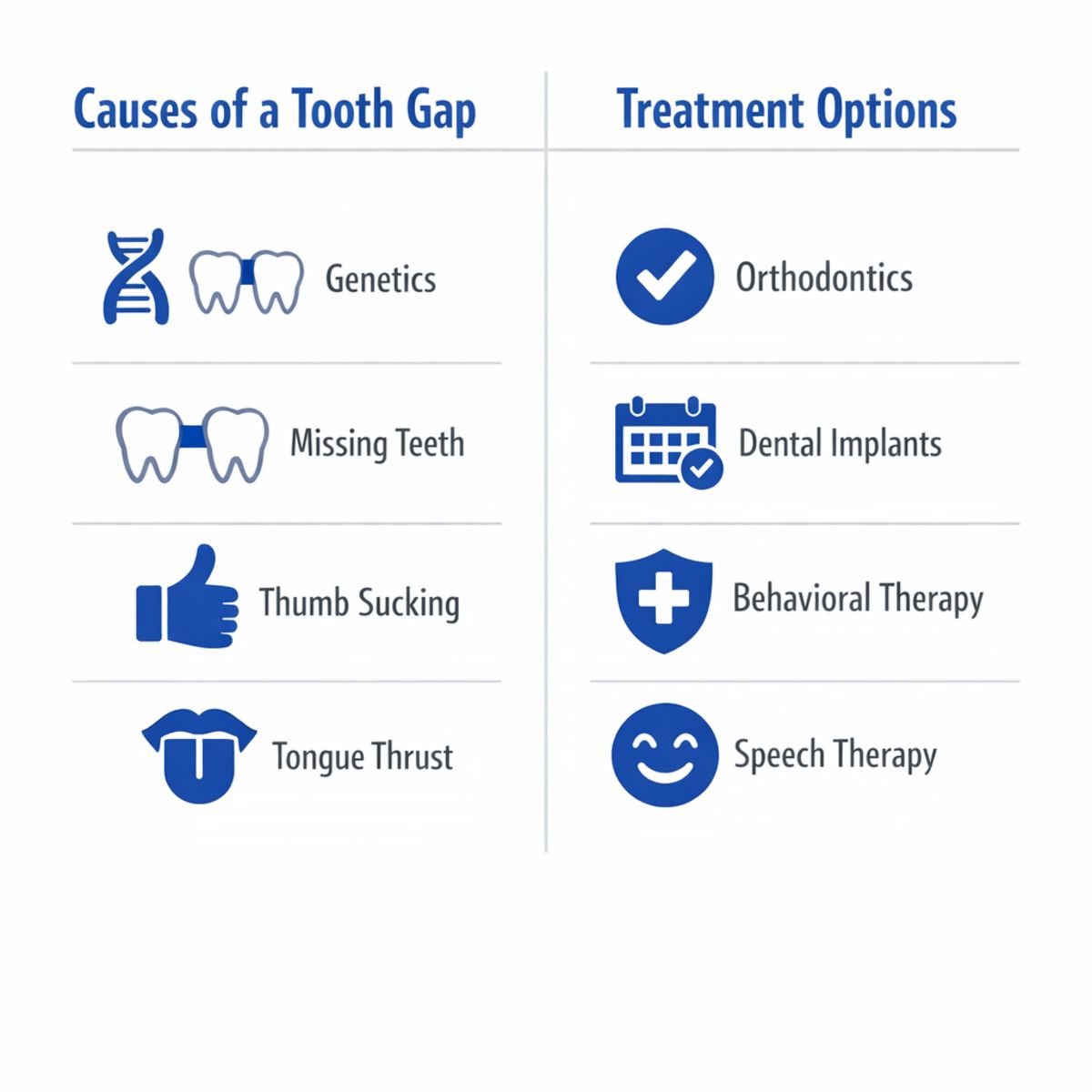
Clear Aligners, Veneers, and Bonding Compared
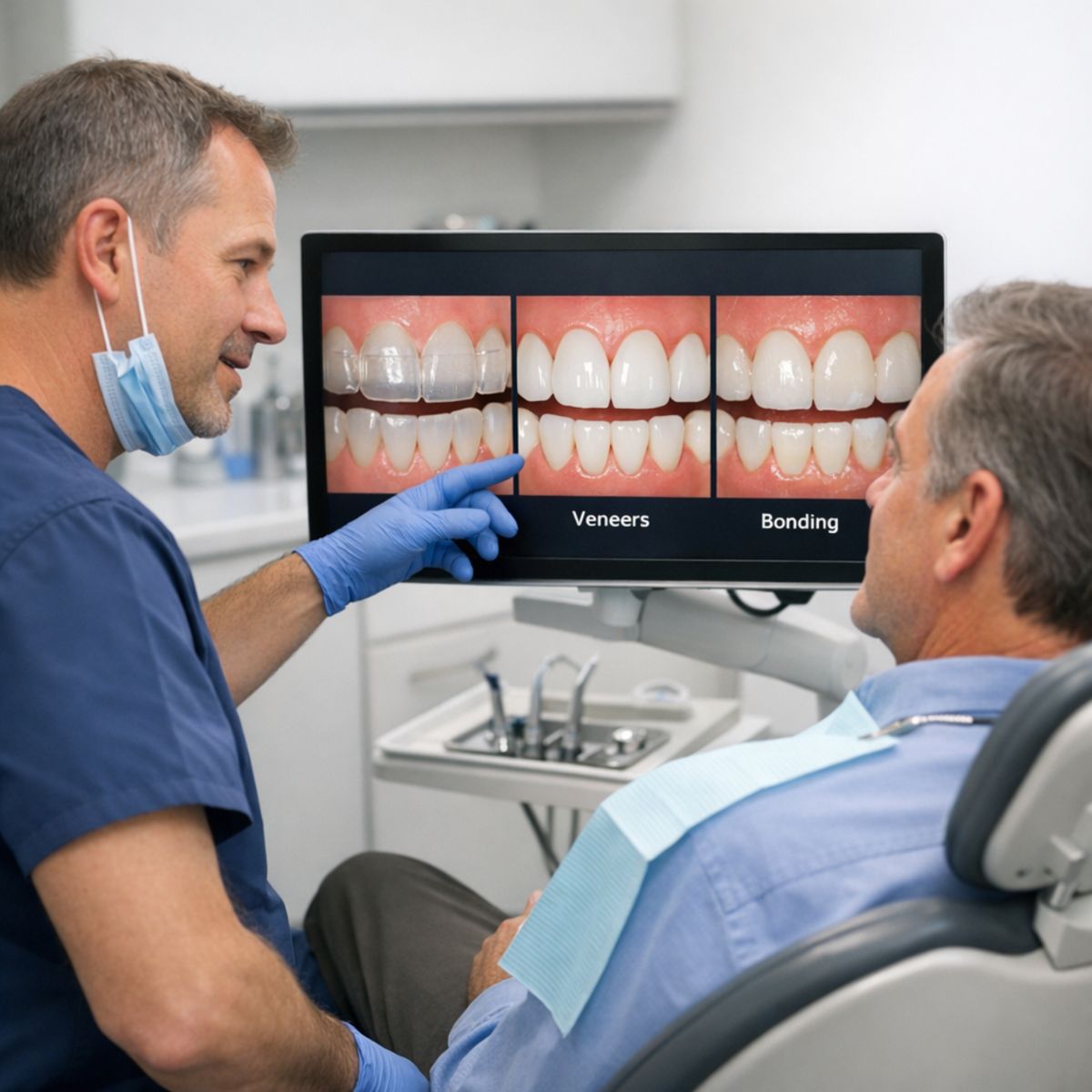
When comparing ways to close a tooth gap, the main difference is whether the teeth are moved or reshaped. Clear aligners gradually move teeth into a new position. Veneers change the visible front surface, width, and shape of teeth to reduce the appearance of spacing. Bonding adds tooth-colored material to one or both teeth to make a gap look smaller. Each approach can be appropriate in different situations, depending on the size of the gap, bite, enamel, and cosmetic goals.
How clear aligners work
Clear aligners use a series of custom trays to move teeth little by little over time. This makes them a useful option when spacing is part of a broader alignment issue or when bite correction also matters. Treatment time varies by case complexity and by how consistently the aligners are worn. The tradeoff is that results are not instant, and success depends heavily on daily compliance. On the other hand, aligners address the actual tooth position rather than simply masking the space.
How veneers work
Veneers are thin restorations placed on the front of teeth to change how they look. They can make teeth appear wider or more symmetrical, which can help close visible gaps in selected cosmetic cases. This option does not move teeth, so it is usually considered when the main concern is appearance rather than alignment. Candidacy depends on enamel, bite, and overall dental health. If you want to learn more about dental veneers for closing visible gaps, it helps to view them as a cosmetic reshaping treatment rather than an orthodontic one.
How bonding works
Bonding uses composite resin to add tooth-colored material and reshape the edges of teeth. It may be a conservative cosmetic option for smaller gaps in appropriate cases, especially when only a modest change is needed. Bonding is often faster than orthodontic treatment because it changes appearance directly, but it does not correct tooth position or bite. It can also require maintenance over time, since composite may chip, stain, or need touch-ups.
In simple terms: aligners move teeth, veneers cover and reshape the front surface, and bonding adds material to reshape space. Aligners are generally the most reversible in concept because they rely on movement, but retention is still important. Veneers and bonding can be faster for cosmetic change, though they involve ongoing care and are not substitutes for correcting every spacing or bite problem. The right choice depends on what is causing the gap and what kind of result you want.
How Dentists Choose the Right Tooth Gap Treatment
Choosing the right treatment for a tooth gap is not about picking one standard fix. Dentists look at several factors to decide what makes the most sense for your smile, comfort, and long-term oral health. If you are exploring options for a gap between teeth, the process usually follows a clear step-by-step evaluation so recommendations feel practical, personalized, and reassuring.
Step 1: Evaluate spacing and bite
The first step is to examine the size and location of the space, how your teeth come together, and how the gap affects your smile line. A small gap may sometimes be improved with reshaping or bonding, while larger spacing or alignment concerns may point toward tooth movement instead. Bite matters too, because closing a gap without considering how the teeth function can lead to an unstable result.
Step 2: Check oral health first
Before recommending treatment, a dentist will review gum health, enamel condition, and whether there are cavities, worn edges, or older dental work involved. If a tooth already has a crown or filling, that may affect which approach is most appropriate. In some cases, treatment starts with improving oral health first, especially if there are restorative needs. This is also why some patients benefit from restorative dentistry when teeth need repair before moving forward with cosmetic changes.
Step 3: Match treatment to goals
Next, the discussion turns to your goals. Some patients want the fastest cosmetic improvement, while others want the most conservative option or the easiest long-term maintenance. Timeline, appearance, and upkeep all matter, and budget may also be part of the conversation. A dentist may review cosmetic dentistry options for smile goals to help compare what each treatment can and cannot do.
Step 4: Compare suitable options
Once the exam is complete, the dentist can present the options that fit your situation and explain the tradeoffs of each one. That may include differences in durability, appearance, maintenance, and how much natural tooth structure is involved. The key point is that treatment is individualized. The best way to know which tooth gap treatment is right for you is through an in-person consultation and exam, where recommendations can be based on your teeth rather than general advice alone.
Benefits and Limitations of Each Option
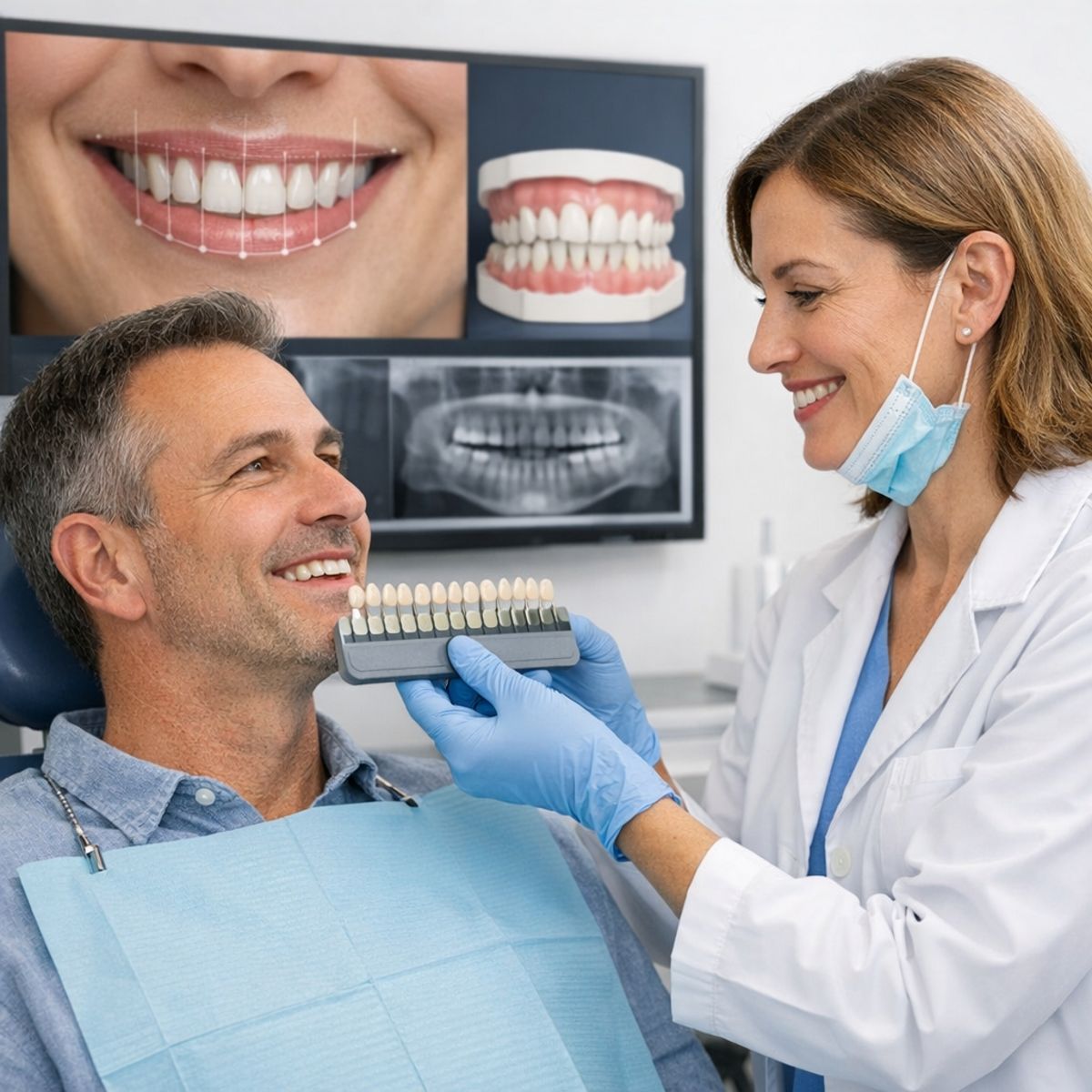
Each option offers different advantages depending on whether the main concern is tooth movement, visible shape, spacing, or small cosmetic refinements. The most helpful comparison is often not which treatment is “best,” but which one fits the goals, habits, and starting condition of the teeth. Readers who are also reviewing current smile care and treatment offers may still want to compare what each approach can realistically do before making a decision.
Clear aligners: practical pros and cons
Benefits: Clear aligners can help correct certain types of tooth movement, which may improve spacing, crowding, and overall alignment. Because they are removable, many people appreciate being able to take them out for meals and oral hygiene. Limitations: Results depend heavily on consistent wear, so they may be less effective for someone who struggles with routine use. They also may not be the right solution for every bite or cosmetic concern, especially when the issue is more about tooth shape than position.
Veneers: practical pros and cons
Benefits: Veneers can make a noticeable change to the visible appearance of teeth by improving shape, proportion, and some spacing concerns. They may be appealing when a person wants a more comprehensive cosmetic update across the front teeth. Limitations: Veneers are not ideal for every case and do not replace orthodontic correction when significant movement is needed. Treatment planning, tooth condition, and long-term maintenance all matter, so candidacy should be evaluated carefully.
Bonding: practical pros and cons
Benefits: Bonding is often an efficient option for smaller cosmetic changes, such as minor chips, edge reshaping, or closing limited spaces. It can be a conservative way to refine a smile without a more extensive approach. Limitations: Bonding may require maintenance over time, and wear or staining can vary based on habits, bite forces, and oral care. For broader smile changes, it may not provide the same scope as other treatment options.
Cost and Long-Term Maintenance Considerations
Cost is one of the most common questions, but the most accurate answer usually comes after an exam and consultation. Fees can vary based on how many teeth are being treated, the complexity of the case, the materials selected, and whether any other dental care is recommended first. For example, bite concerns, gum health, or restorative needs may affect the overall treatment plan before cosmetic work begins. If you are comparing options, reviewing veneer treatment details and candidacy factors can help you understand what may influence planning and cost.
What affects price
In general, treatment cost tends to reflect the scope of care rather than a single flat number. A small cosmetic adjustment may involve fewer steps than a full smile update. Material choice can also matter, since different options may vary in appearance, durability, and laboratory requirements. The number of teeth involved, the amount of preparation needed, and whether temporary or follow-up visits are part of the process can all influence the final fee. That is why transparent, consultation-based pricing is usually more helpful than broad estimates.
Maintenance over time
Long-term upkeep is also worth considering. Some treatments may involve retainers to help preserve alignment, while others may need occasional polishing, repairs, or touch-ups over time. Veneers and similar restorations still benefit from routine exams, professional cleanings, and consistent home care. Individual outcomes can depend on dental health, bite forces, and habits such as grinding, clenching, or chewing hard objects. Looking beyond the upfront fee can help you choose an option that fits both your goals and your willingness to maintain results.

Special Considerations Before Closing a Gap
Before closing a tooth gap, your dentist may look at a few related issues that can affect timing and results. If there is untreated tooth decay or a tooth cavity, that usually needs attention first so the tooth is healthy and stable. A chipped tooth or an existing crown tooth can also influence how cosmetic planning is approached, since shape, strength, and bite all matter.
In some cases, a tooth restorative approach may be recommended before the final cosmetic step. That helps create a healthier foundation and can support a more predictable outcome. If needed, your dentist may suggest restorative care before cosmetic smile treatment so everything is addressed in the right order.
When oral health comes before cosmetics
This does not always mean a major delay. It simply means your care plan is sequenced safely and thoughtfully, with oral health supporting the cosmetic result.
Frequently Asked Questions About Tooth Gap Treatment
Can a tooth gap close without braces?
Sometimes, but not always. Small gaps may be improved with bonding or veneers in some cases, while larger gaps or bite-related spacing may respond better to orthodontic treatment. A dentist can help determine the cause before recommending an option.
Are veneers or bonding better for a small front tooth gap?
It depends on the size of the gap, the shape of the teeth, and the condition of the enamel. Bonding is often a more conservative option for minor spacing, while veneers may be considered when shape and color changes are also desired.
How do dentists decide between aligners and veneers?
The decision usually depends on spacing, bite alignment, tooth proportions, gum health, and overall dental condition. If the teeth need to be physically moved, aligners may be discussed. If the concern is mainly cosmetic, veneers may be one possible option.
Can a gap come back after treatment?
Yes, in some situations it can. Results vary based on the treatment used, oral habits, bite forces, and whether retainers or other maintenance steps are followed as advised.
What if I also have a chipped tooth or cavity?
That should usually be evaluated first. A chipped tooth, decay, or gum issue can affect which cosmetic or orthodontic treatments are appropriate and when treatment should begin.
Who may be a candidate for each option?
Candidacy varies from person to person. Dentists typically look at the amount of spacing, bite position, enamel, gum health, and any existing dental work or untreated problems before suggesting bonding, veneers, aligners, or another approach.
How long do results last?
Longevity depends on the treatment type, daily habits, maintenance, and overall dental health. Bonding may need touch-ups over time, veneers may last for many years with proper care, and orthodontic results often depend on wearing retainers as instructed. A consultation can provide more specific guidance for your situation.
Choosing a Tooth Gap Treatment With Confidence
Clear aligners, veneers, and bonding can each be effective for closing tooth gaps, but they serve different needs. The right option depends on factors like your oral health, bite, and cosmetic goals, which is why personalized guidance matters. If you would like help comparing your options and understanding what may suit your smile best, feel free to contact the team to schedule a consultation.