
A permanent replacement for a missing tooth that bites and lasts like your own. Planning, surgery and the final crown all happen here, with one team.

An implant replaces both halves of a missing tooth: the root and the crown. A titanium post goes into the jawbone, fuses with it over several months, and a custom crown is attached on top of it.
That distinction is the whole argument for it. A bridge replaces only the part you can see and leans on the two healthy teeth either side, which have to be reshaped to carry it. An implant stands on its own.
It also protects bone. When a tooth is lost, the jawbone under it shrinks because nothing is loading it any more. The post takes over that job. Our guide to dental implants goes further into the biology.

Six reasons come up in almost every implant consultation we run.
The crown is shaded and shaped to match the teeth beside it. Most people cannot pick out which tooth is the implant.
The post loads the bone the way a natural root does, slowing the bone loss that follows a missing tooth.
Unlike a bridge, an implant does not require filing down two healthy teeth to anchor it.
With routine care and regular general dentistry visits, implants commonly last decades.
You bite and chew normally, without the movement or diet limits of a partial denture.
Surgery and the final zirconia crown are both done here. No referral, no handover.
Most single-tooth cases run across three appointments with a healing period in between. The timeline is longer than a crown because the bone needs time to do its part.
We assess your jawbone and gum health with imaging and confirm you are a candidate. You leave with a written plan and a cost, not an estimate on the day of surgery.
The titanium post is placed under local anesthetic. Most patients describe it as easier than they expected. The site is then left to heal and fuse, typically over three to six months.
Once the post has integrated, an abutment and a custom crown are fitted and adjusted to your bite. That is when the tooth becomes a tooth again.
Most adults with a missing or failing tooth are. We check three things first: bone volume at the site, gum health, and whether a condition or a medication would slow healing.
If the bone has thinned, a graft can rebuild the site first, which adds months but not complexity. Gum disease is treated before anything is placed, through periodontal care, because an implant set into inflamed tissue is an implant that fails. Heavy smoking and uncontrolled diabetes both reduce success rates, and we will say so directly.
Been told elsewhere that you are not a candidate? It is worth a second look, and second opinions here are free.
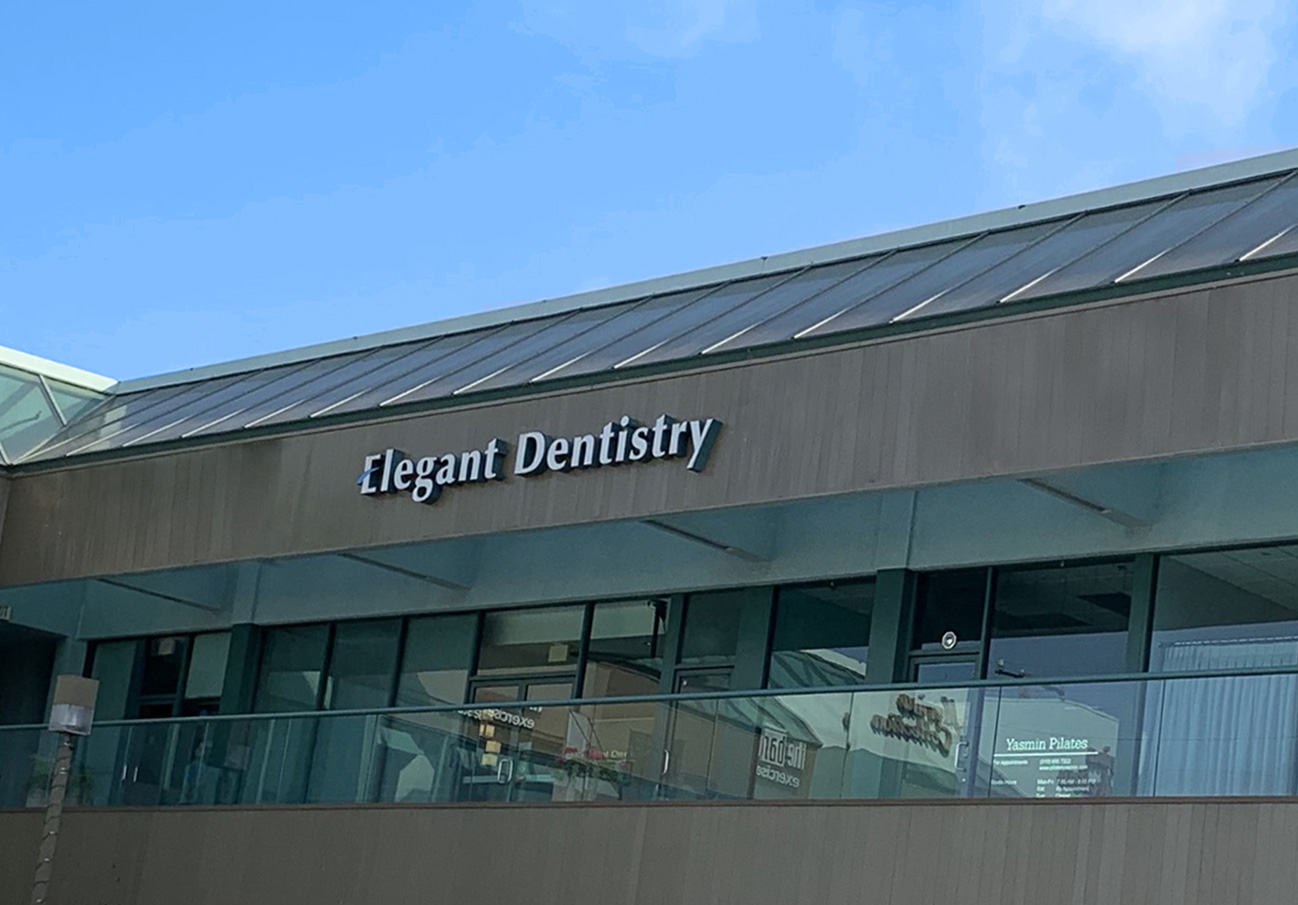
Implant treatment means several visits across several months, so the practical details matter.
Book a morning slot if you can. Local anesthetic wears off over a few hours, and most patients would rather be home before the afternoon traffic builds.
The cost follows what the case actually needs. A single implant, a graft first, and a full arch are three different numbers. Our article on all-on-four costs covers the full-arch end of that if it is the conversation you are having.
We quote the whole treatment before you commit, not stage by stage. Many plans cover part of the crown even where they exclude the surgical placement, so we check your eligibility at no charge and show you the split. The plans we accept are on our insurance page.
Your initial consultation is free with or without insurance, and financing is available if you would rather spread the cost across months.
These are patients treated at this office, not stock photography. The case shown is an implant abutment restored with a zirconia crown, matched to the teeth beside it.
More cases, including full-mouth reconstructions, are on our before and after results page.

Usually three to six months from placement to final crown, because the post has to fuse with the bone before it can carry a tooth. Add a few months if a graft is needed first. The appointments are short; the waiting is the long part.
Placement is done under local anesthetic, and most patients report less discomfort than an extraction. Expect some soreness and swelling for a few days, managed with over-the-counter pain relief in most cases.
The post commonly lasts decades and often a lifetime. The crown on top may need replacing after fifteen years or so, the same as any crown. Gum health is the biggest factor in how long an implant survives.
Often yes. The question is how much bone is left at the site, and a graft can rebuild it if it has thinned. We will tell you after the imaging, not before.
Both stages happen here. The same team that places the post fits the final crown, which means one set of records and one point of contact if something needs adjusting.
Multiple implants can support a bridge, and a full arch can be carried on a smaller number of well-placed posts rather than one per tooth. That is a consultation conversation, because the plan depends on the bone.
Your consultation at our Marina del Rey office is free, and it ends with a written plan and a price. Call 310-827-2792 or book online, and we will check your insurance eligibility at no charge.